
Text & Photos: Ellen Köhlings /// Videos: Joachim Petter
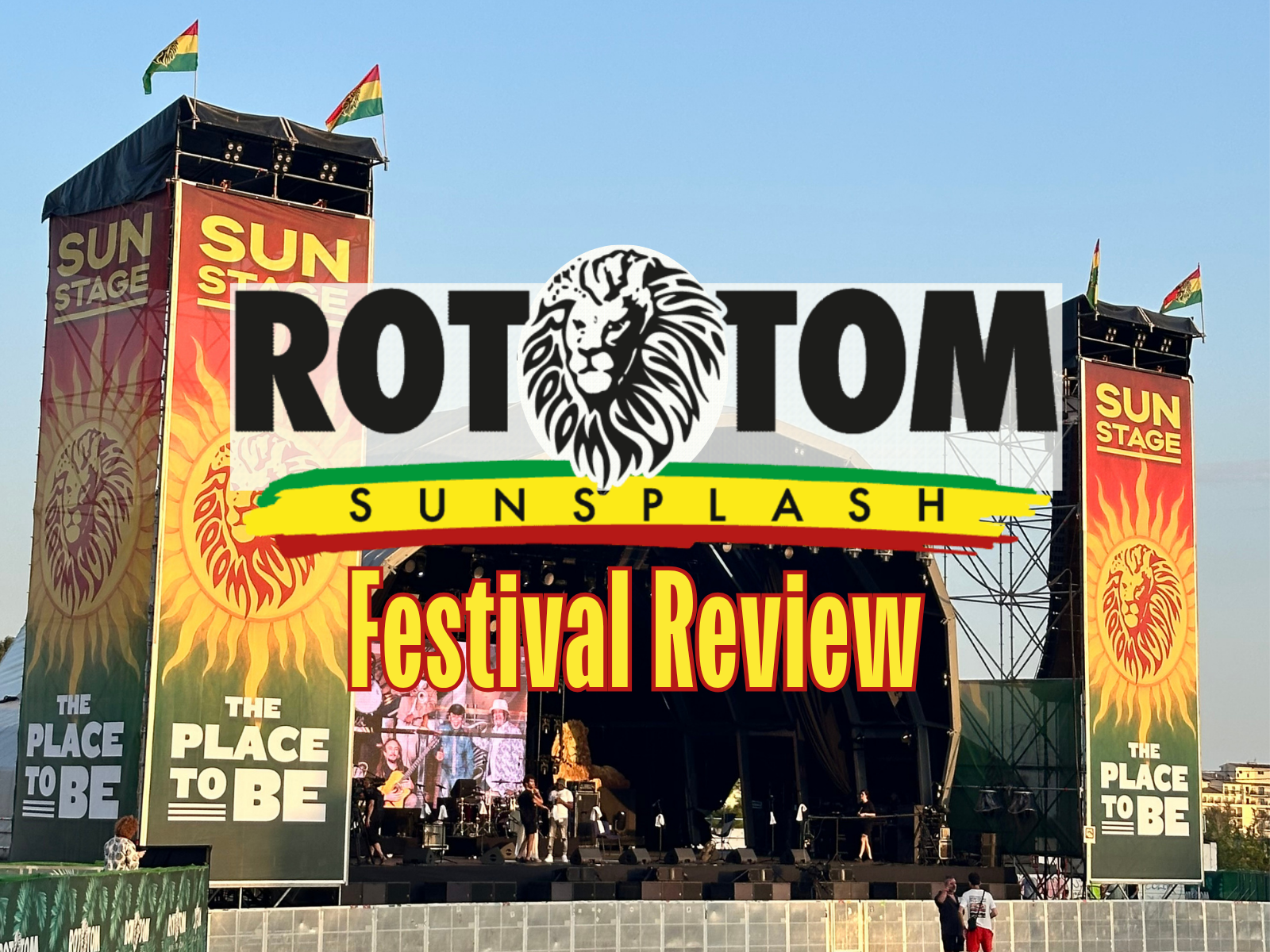
Even though some people may have been puzzled by this year’s theme, Rototom Sunsplash 2026 was definitely the place to be from August 17 to 22. Anyone who, for whatever reason, couldn’t make it should mark August 2027 on their calendar.
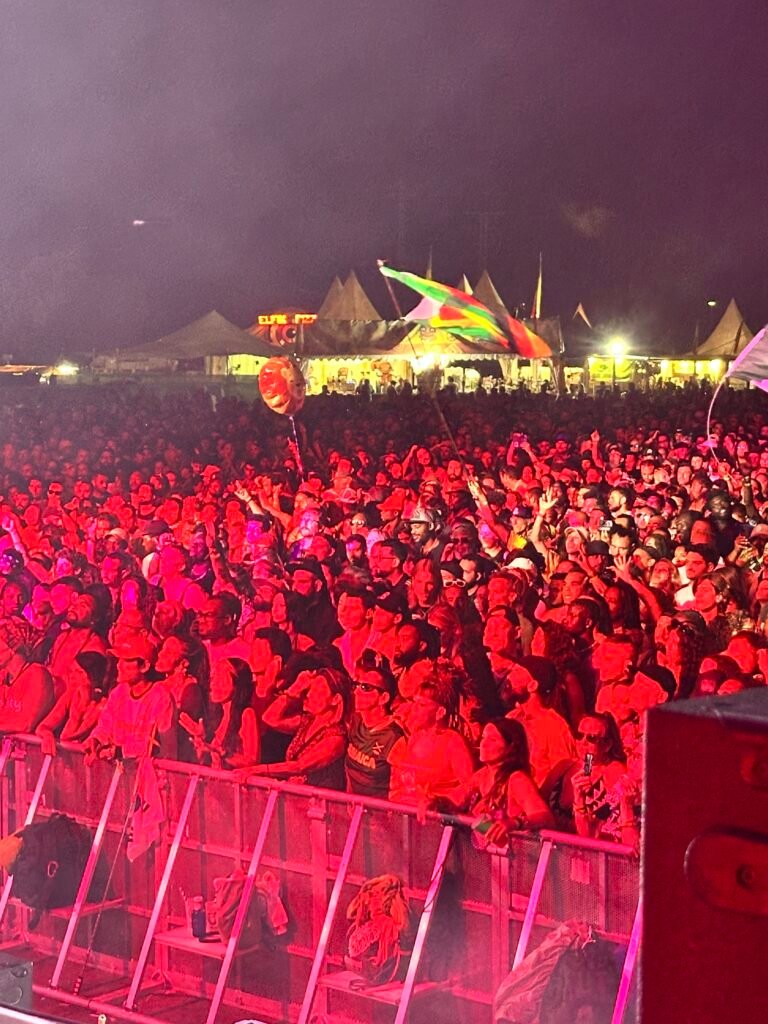
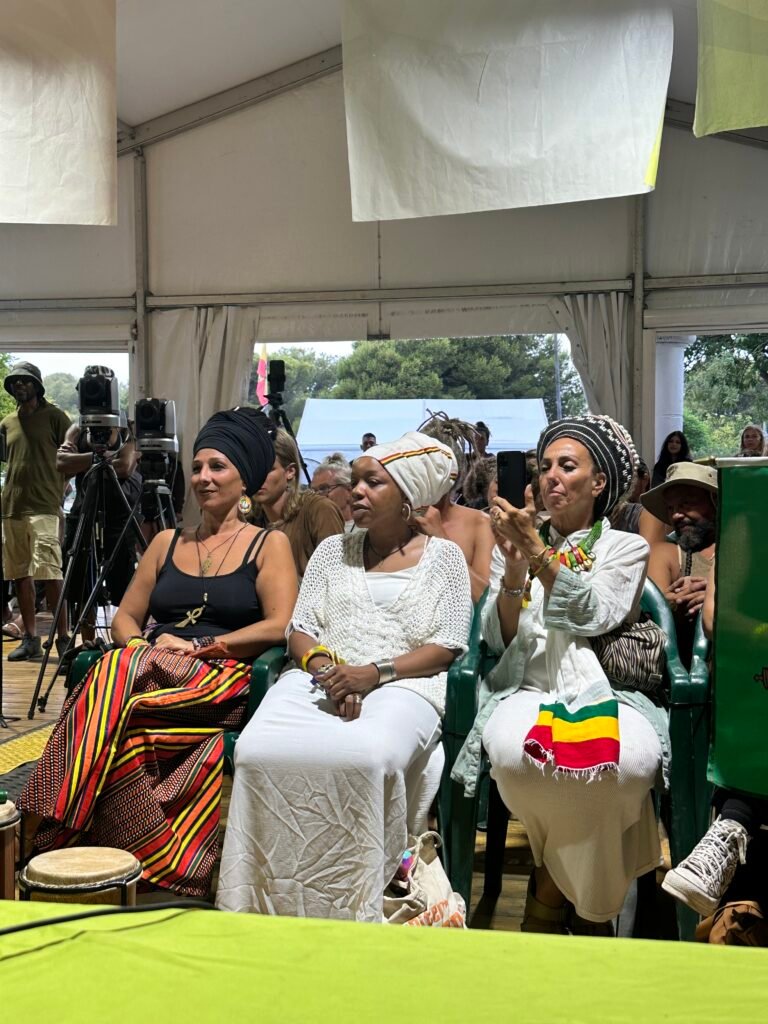
Why is Rototom ”The Place To Be”? There are many reasons, all of which were confirmed again in 2026. I’d love to share my most important reason. I don’t know how many times I stopped, paused, and looked around, only to realize again and again just how diverse the people are, how special and unique each individual is, and how indescribably beautiful it is when all these different people come together and treat one another with respect—regardless of skin color, background, social class, gender, or age. It looks as colorful as the cover of this year’s Rototom newspaper. Here, the ”-isms” are chased out of Earth!
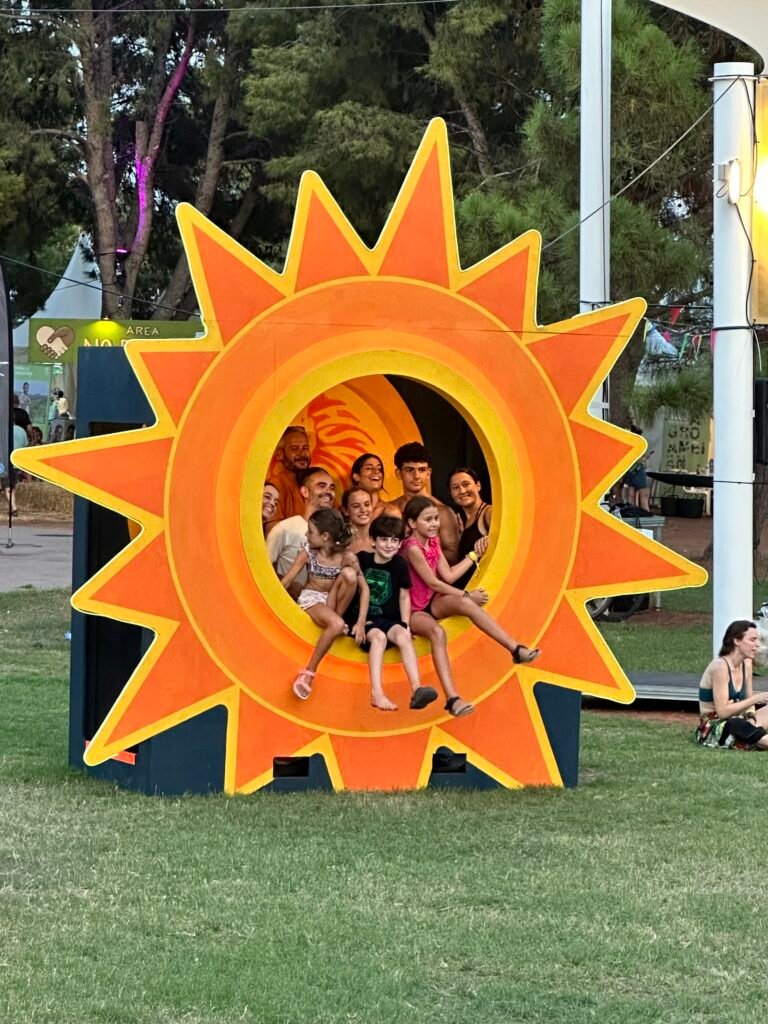
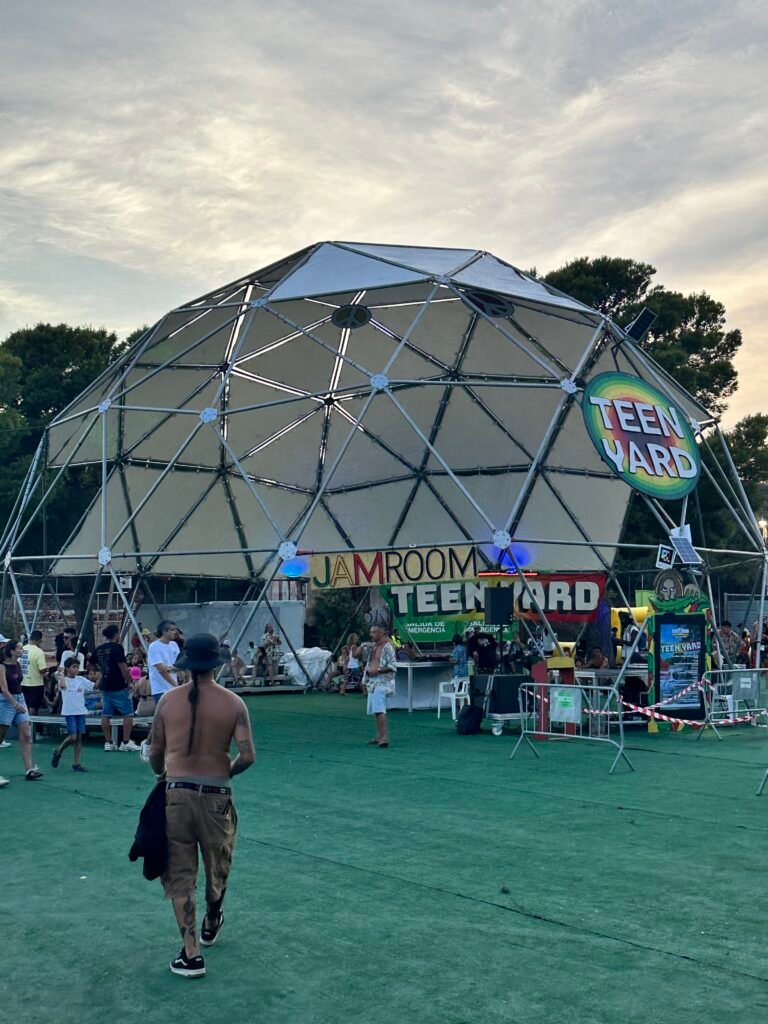
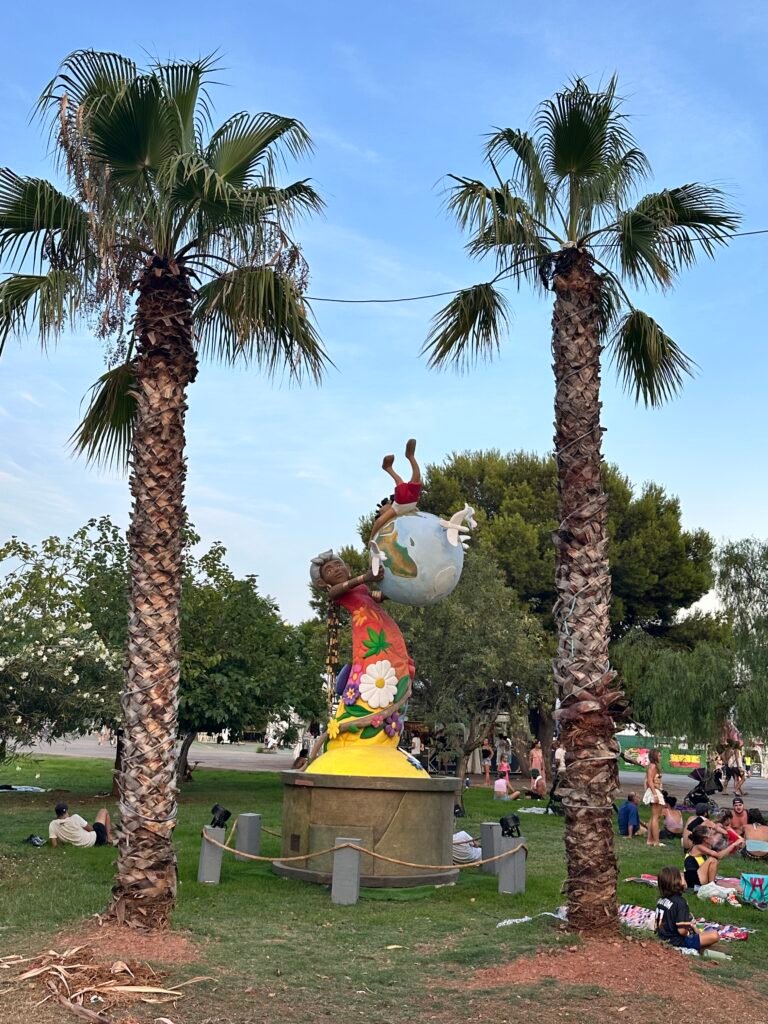
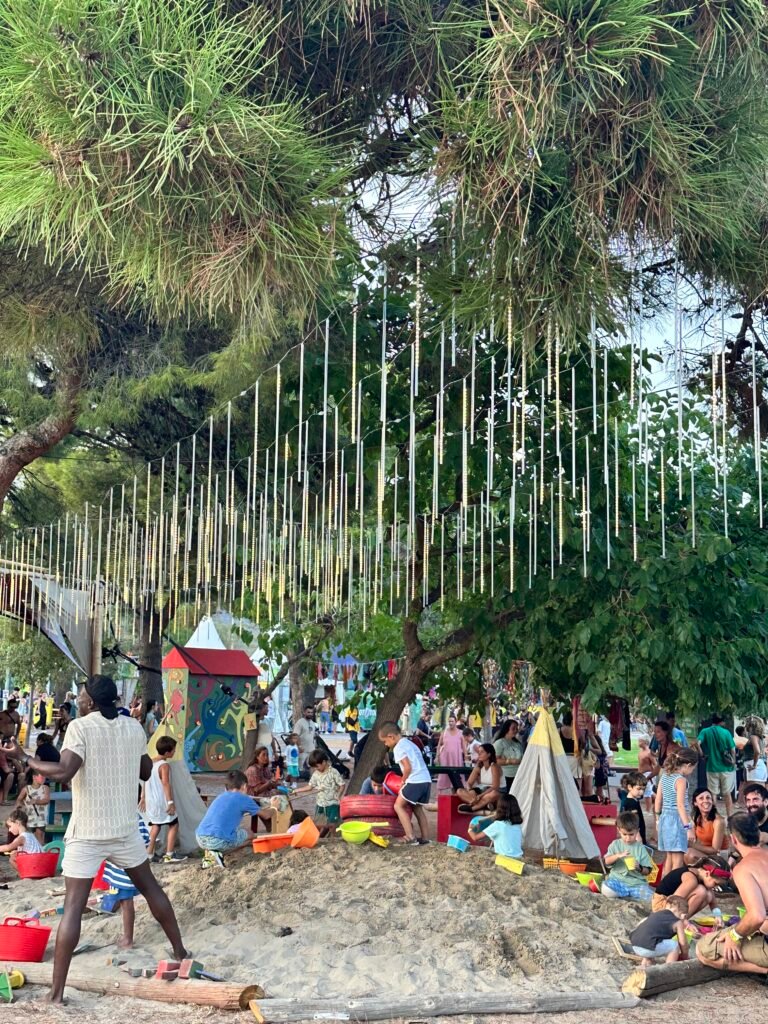
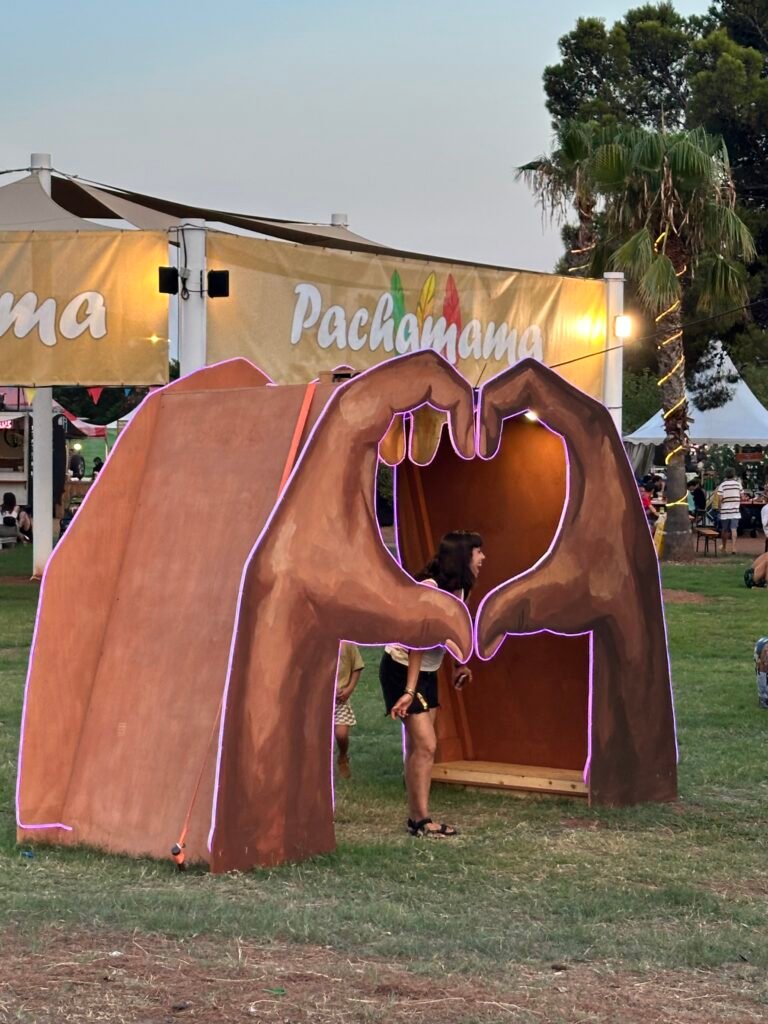
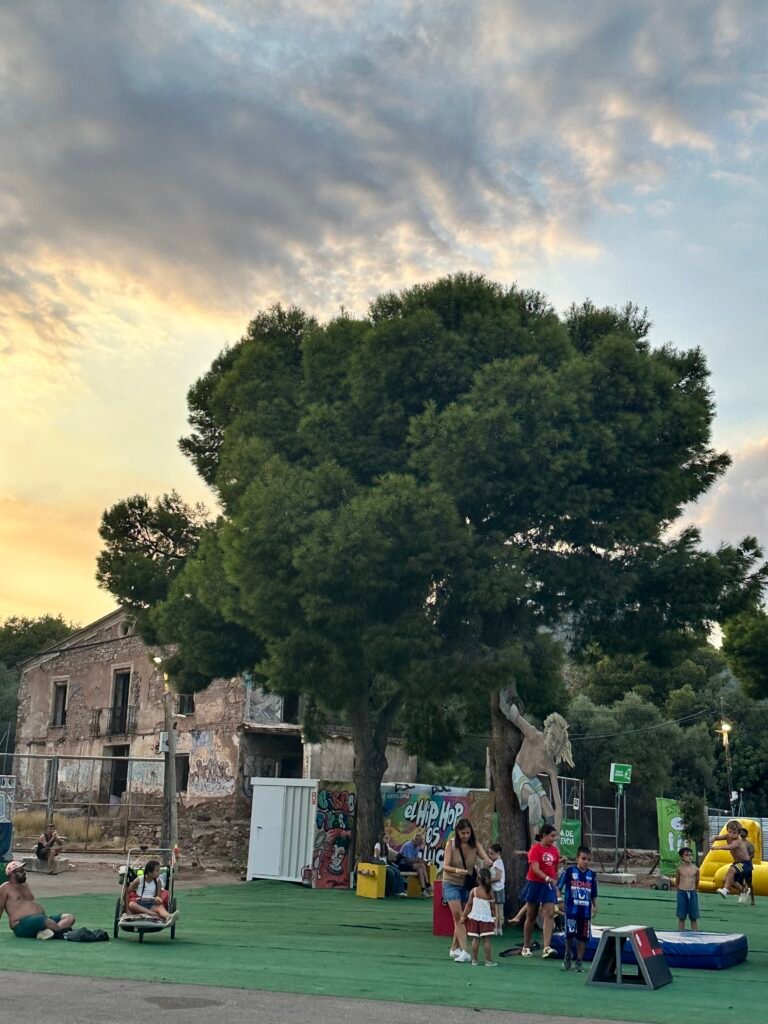
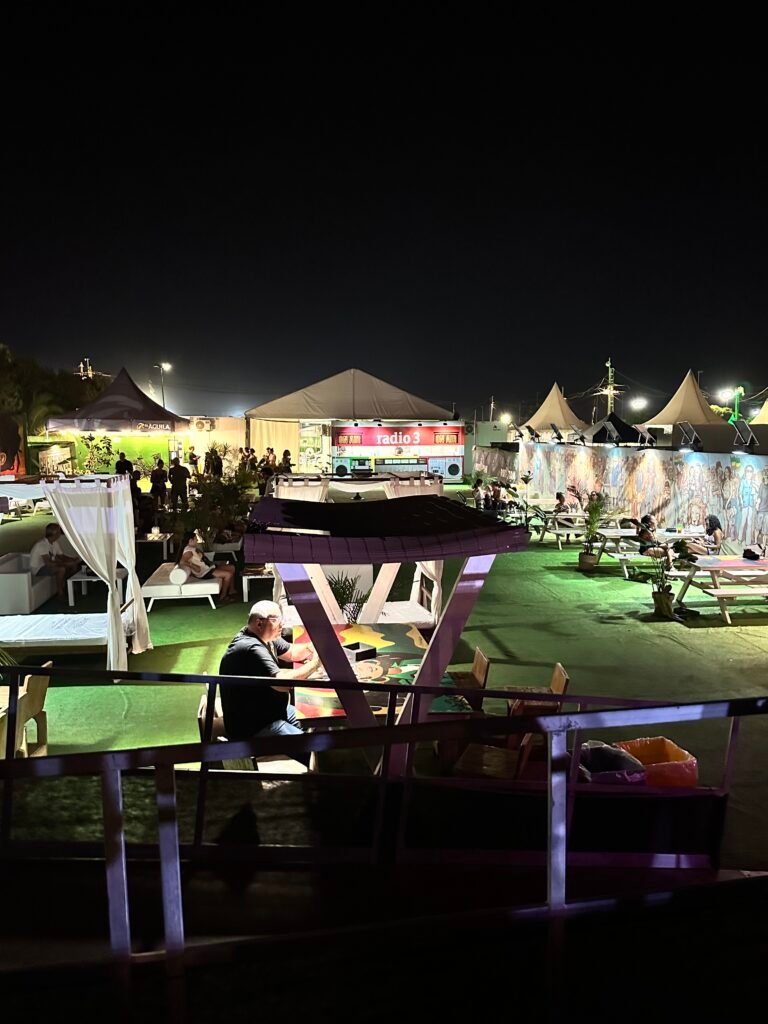
Even though Rototom consistently offers truly special concerts, it stands for so much more. At Sole Beach, where music plays daily, you can, for example, attend dance classes. The Panchama Area takes a holistic approach with its offerings for both physical and mental well-being. The Magicomundo area is where families gather in particular. A play, for example, teaches the little ones about Jamaican music history in a fun and easy-to-understand way. The Teen Yard invites you to play basketball, skateboard, and rap. And the Rototom Circus delivers many magical moments.
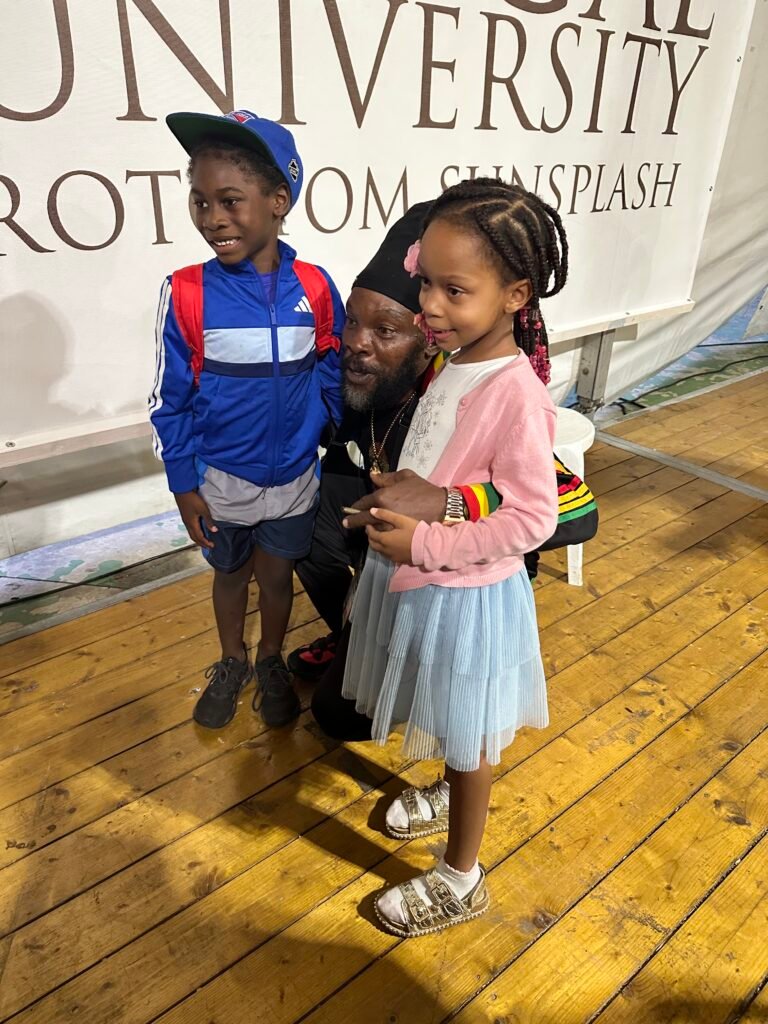
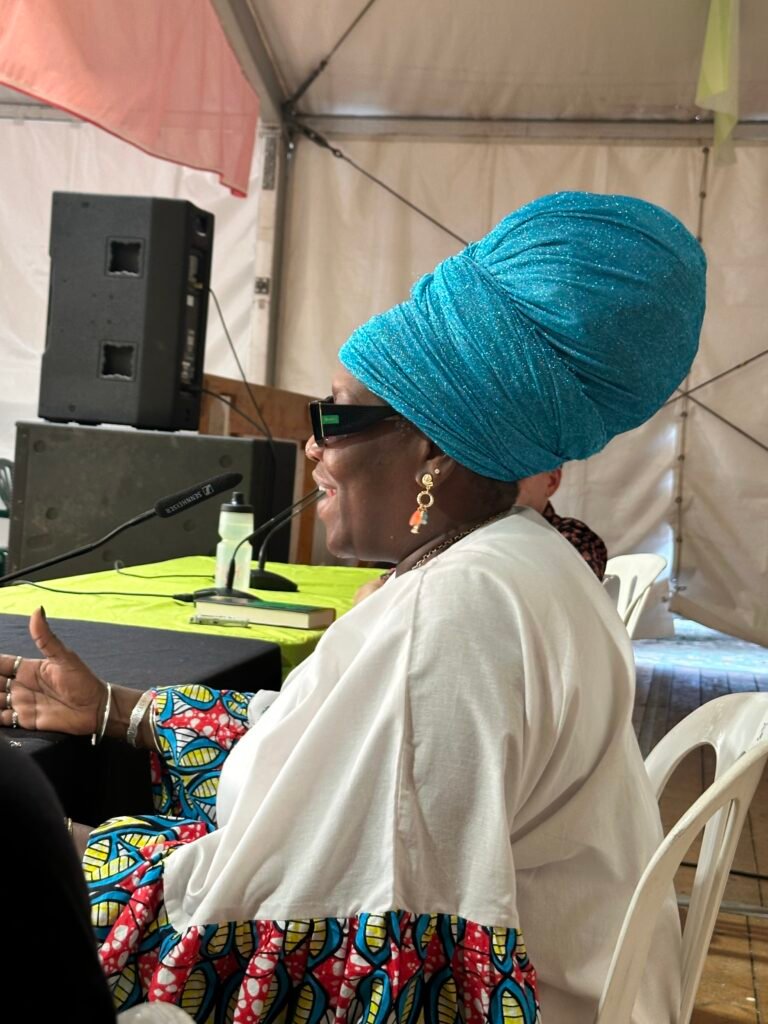
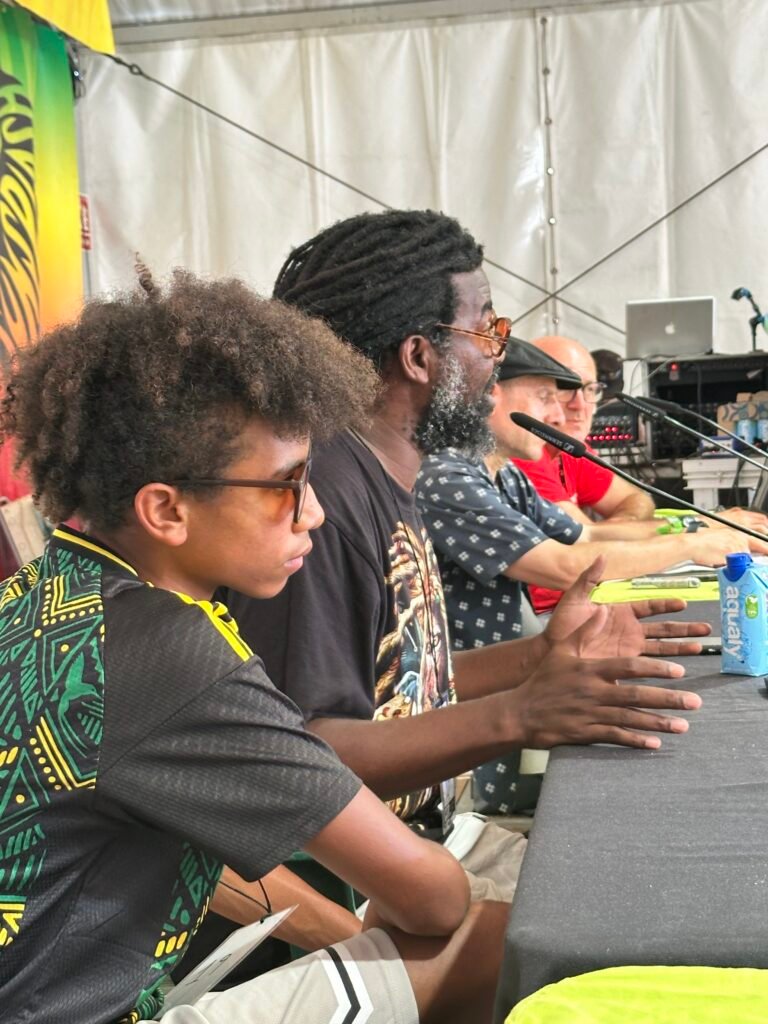
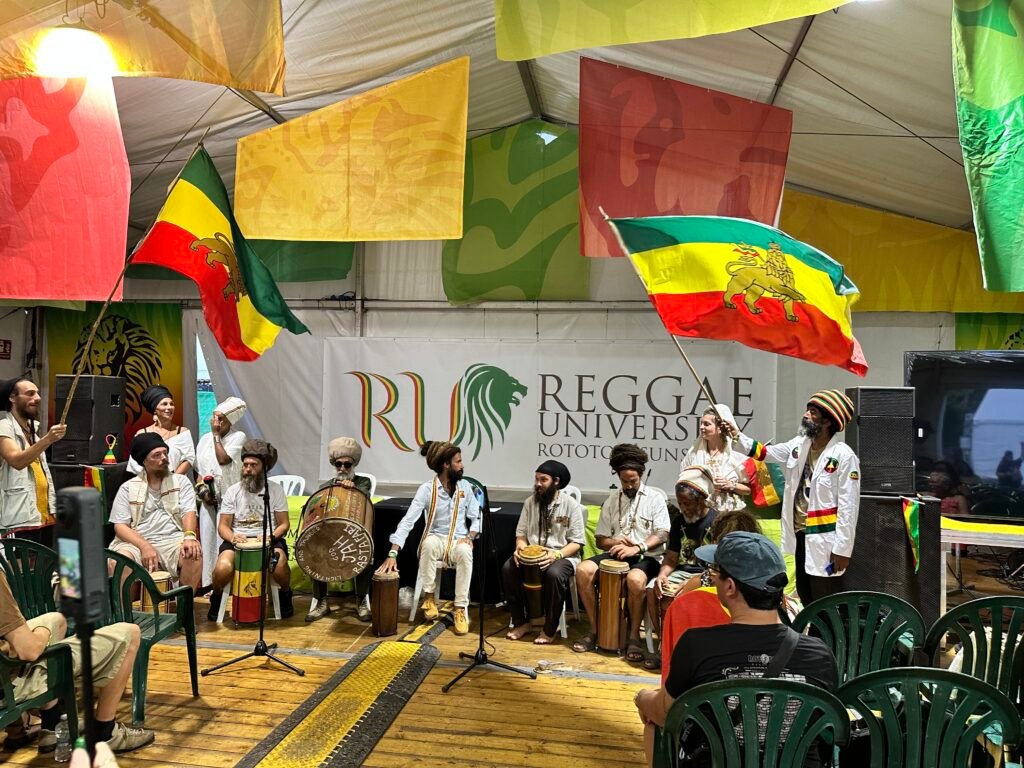
For me, the first day begins with a double session at Reggae University, which is also part of Rototom’s comprehensive program. The goal here is to show artists from a different perspective, make them more relatable, put their stories into context, and so on. An entertaining and talkative Mr. Vegas is followed by a sometimes hesitant but self-assured and equally entertaining Queen Omega. Both go on to deliver compelling live performances later on: Vegas in the Dancehall, Omega on the Sun Stage. Luciano’s and Alpha Blondy’s performances are the highlights of the opening day. The same goes for King Earthquake at the Dub Academy.
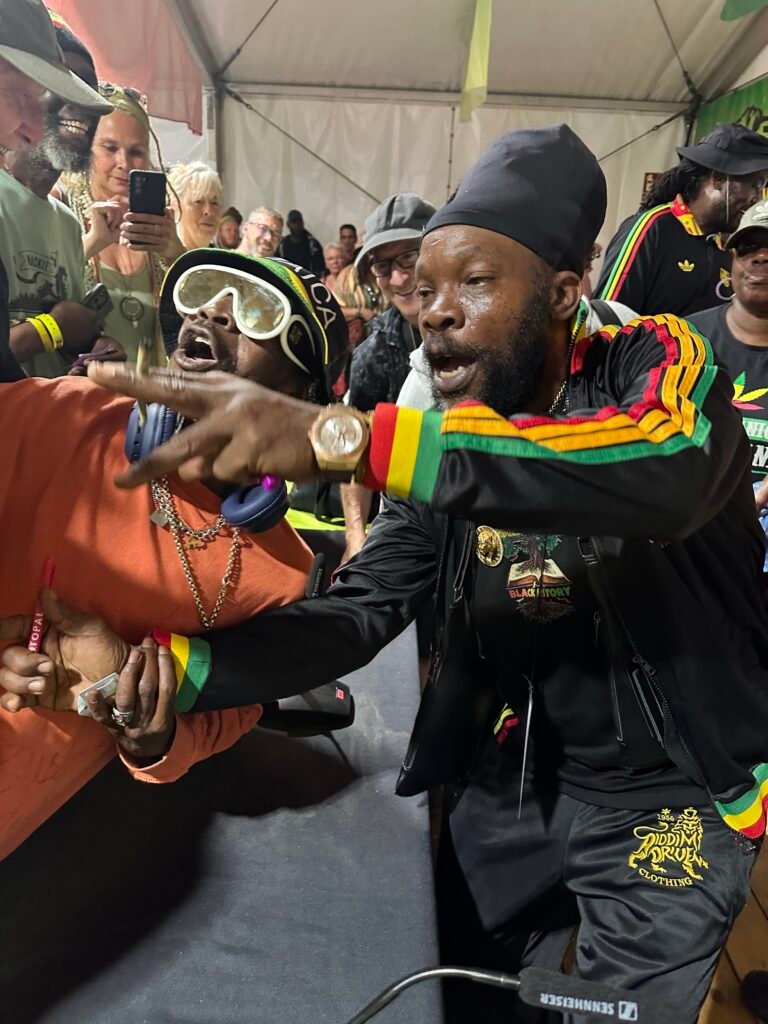
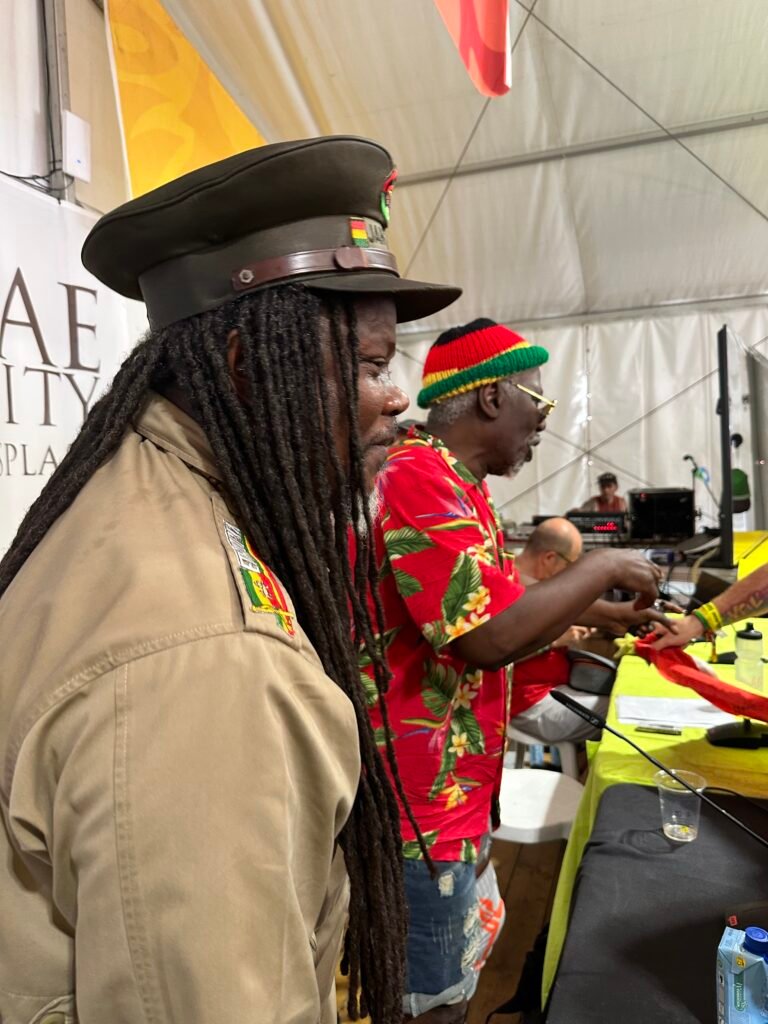
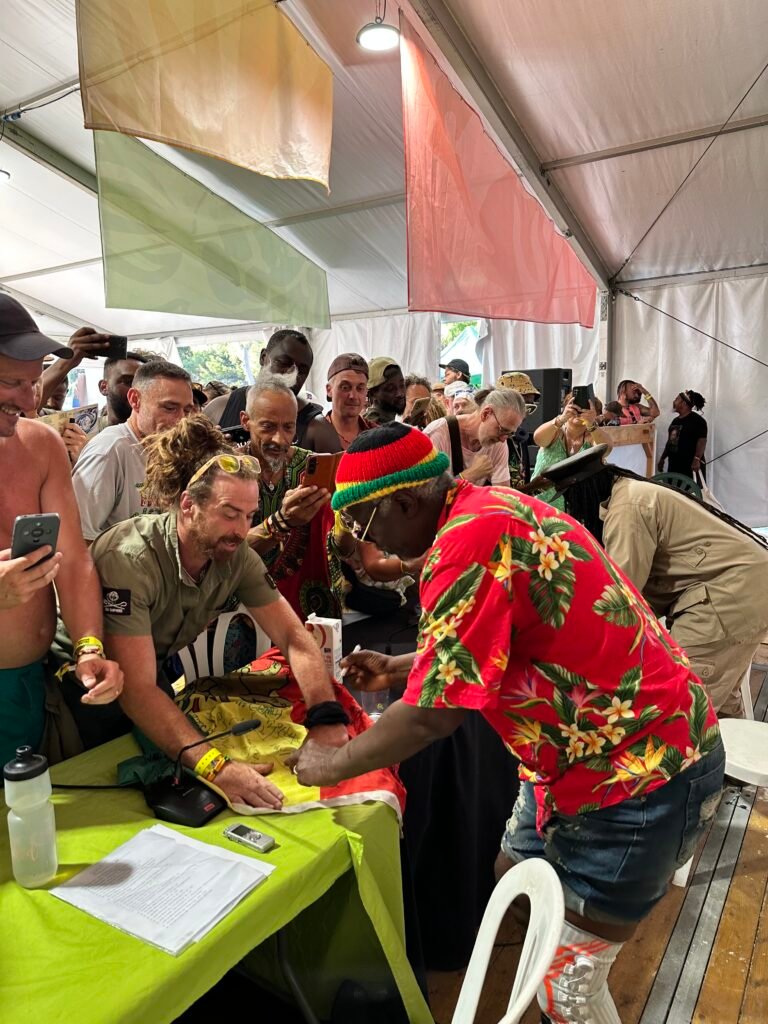
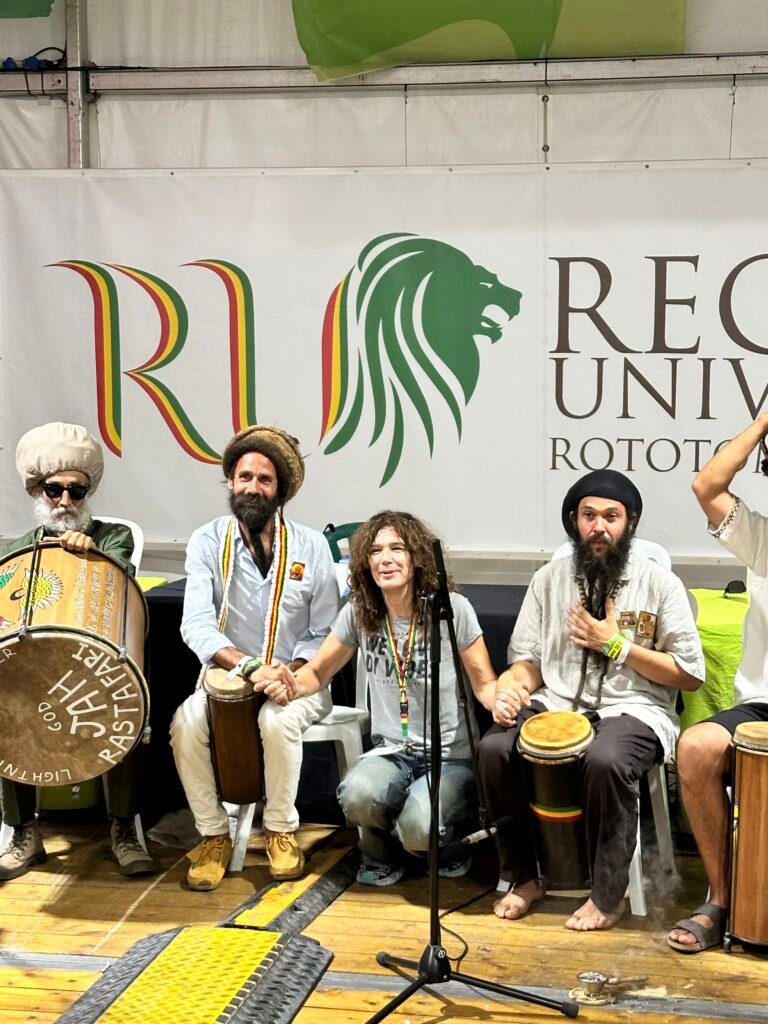
The meeting between Luciano—who, by the way, invited himself ;-), and Alpha Blondy at Reggae University is a special treat. The two artists come across as very open; they bounce ideas off each other, shake hands, pat each other on the shoulder, and seem to be on familiar terms, even though this is their first time meeting at this level. They share the view that their music is based on divine inspiration. Alpha Blondy emphasizes that everyone has a divine mission and that these missions complement one another. Both artists highlight the unifying power of reggae.
Bushman is also in high spirits at Reggae University and usually needs just a cue to share some behind-the-scenes stories. Visibly delighted, grateful, and often moved, he shares his story with an attentive audience. He vividly recounts his roots in the Jamaican parish of St. Thomas, where he still lives today. He reflects on its rebellious and spiritual side and how, as a boy, he set out from the countryside for Kingston to make it in the music business.
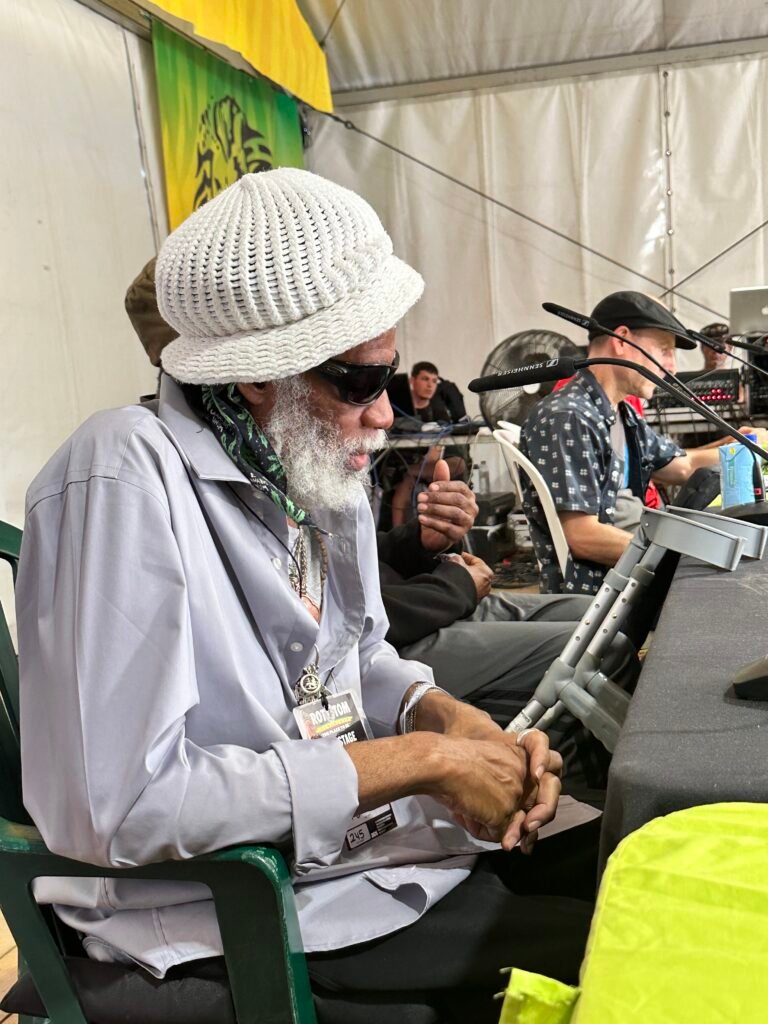
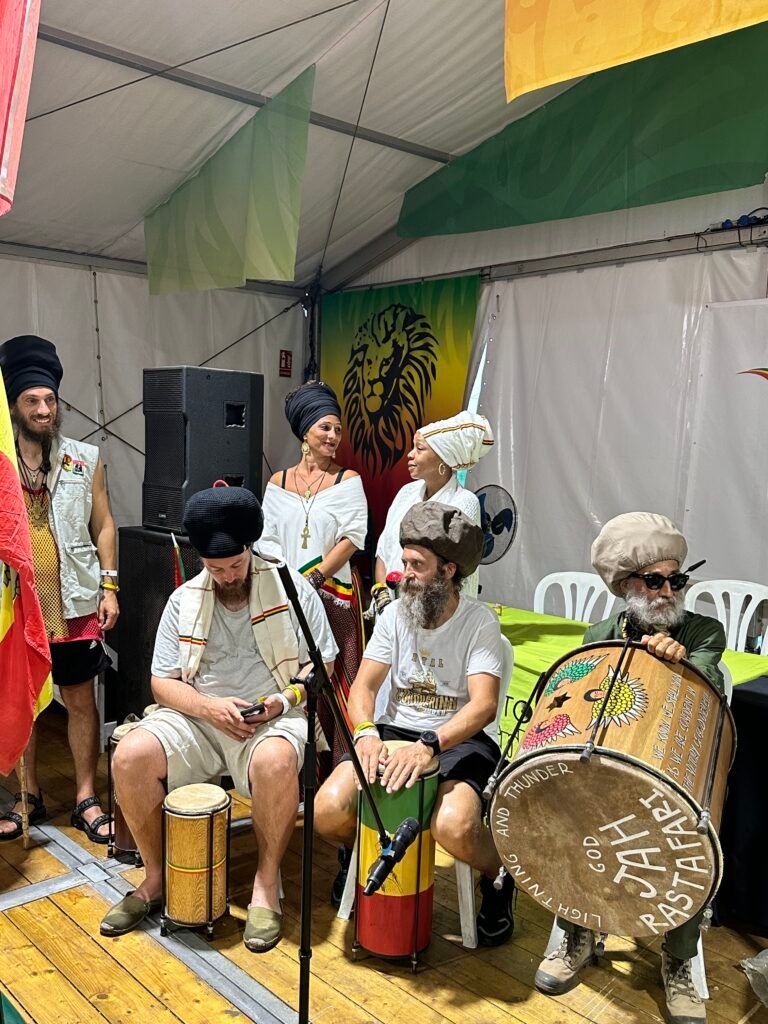
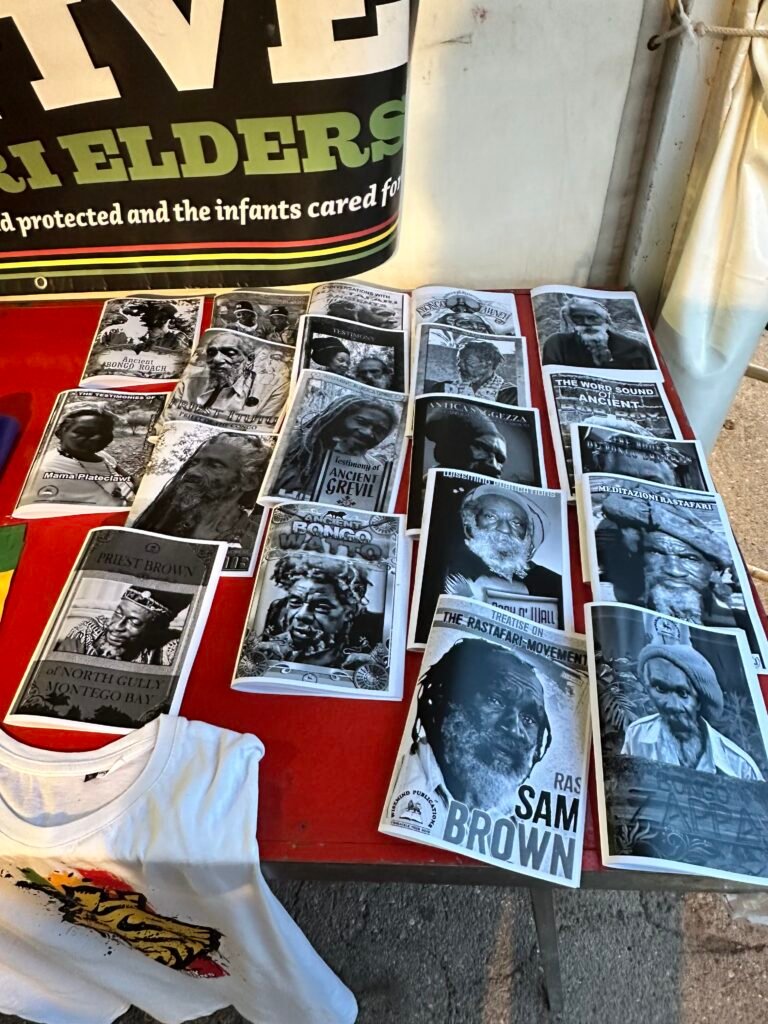
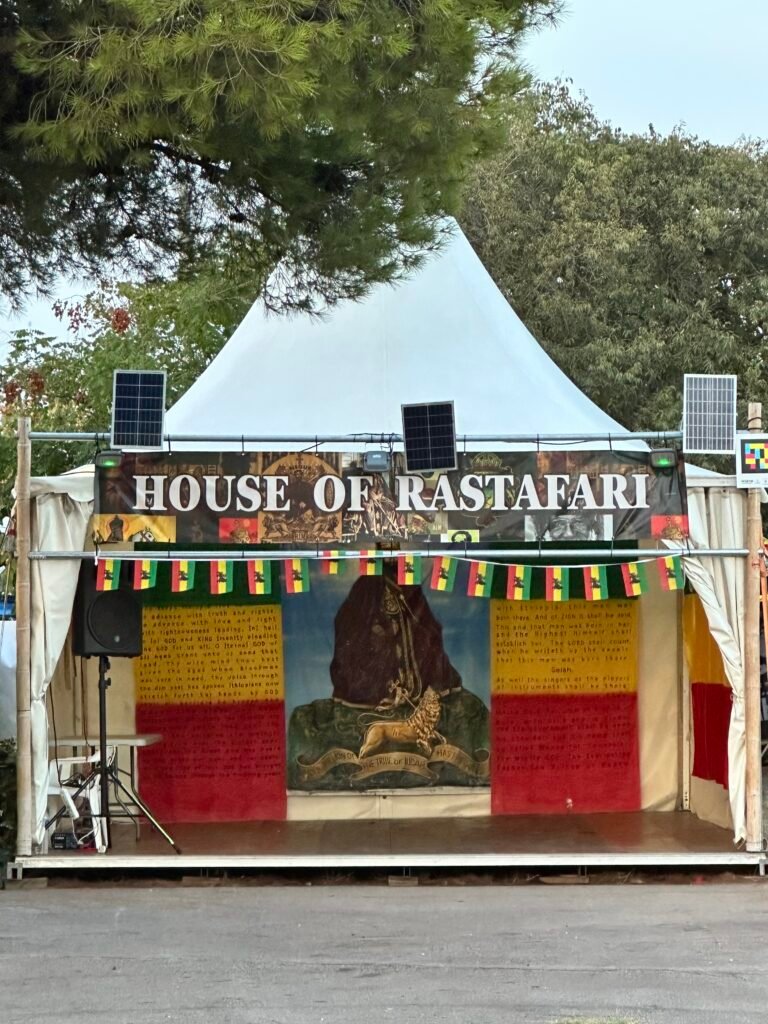
The House of Rastafari, which is always worth a visit, co-hosted the session with Norman Grant of the Twinkle Brothers. The opening Nyahbinghi drumming and chanting is moving. Unfortunately, however, Mr. Grant isn’t in the mood today to really delve into Rastafari themes. Instead, he keeps bringing up the topics of promotion and branding in connection with independence.
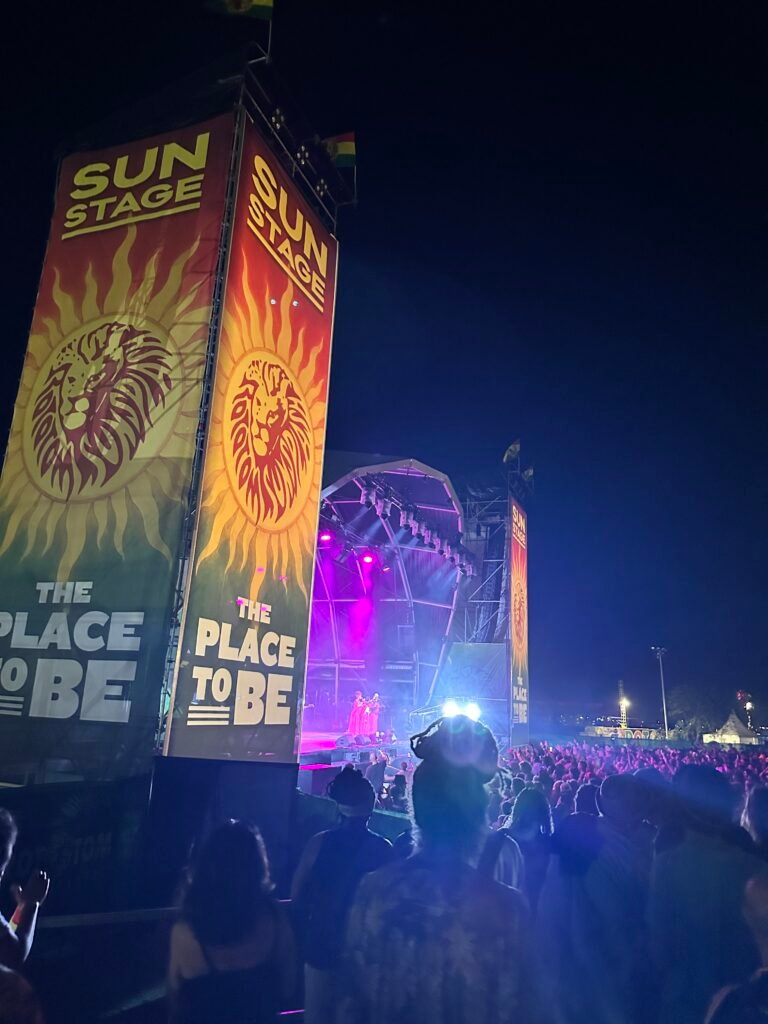
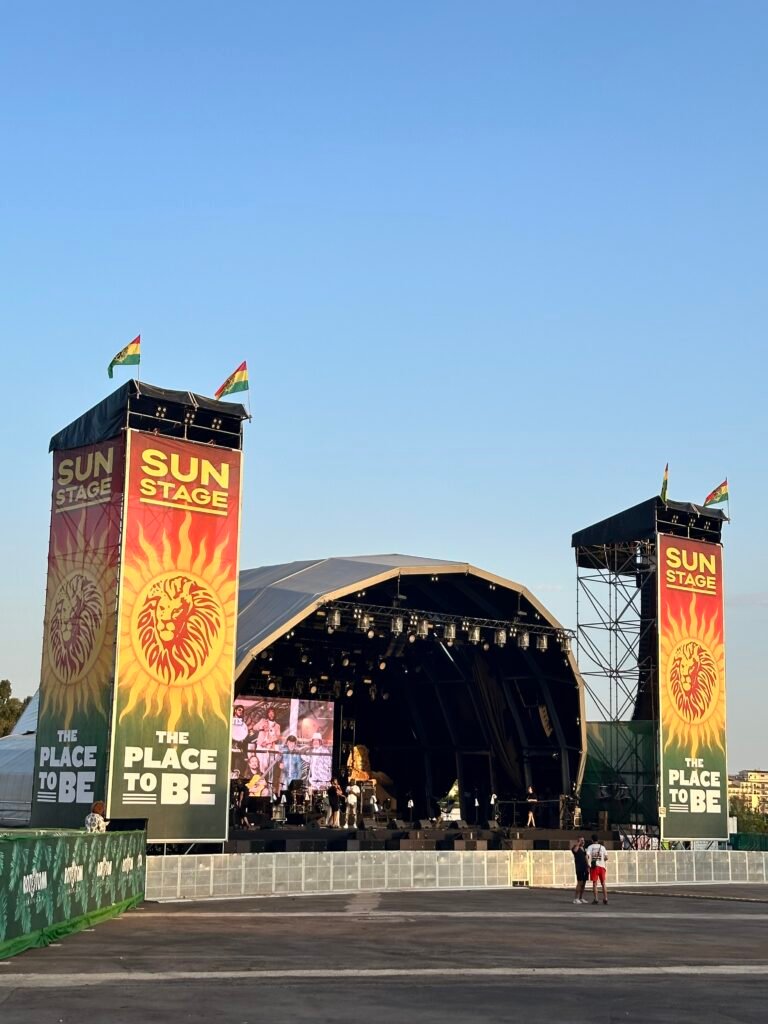
In recent years, attendees have often had to decide whether to watch an act on the Lion Stage or on the main stage, aka the Sun Stage. In 2026, this will be resolved for the first time. On the one hand, it’s great that you no longer have to miss a performance. On the other hand, you’ll have to put up with longer wait times until the next concert if you’re not so excited about a particular act.
The decision to spread out the stage lineup—and thus book fewer acts—is likely due to the general situation facing festivals. Many open-air festivals had to contend with rising costs and a decline in attendance this year. According to the Rototom team, approximately 169,000 attendees were counted over the six days—in previous years, the figure, extrapolated over six days, was just over 200,000.
In 2026, most attendees came from France, Italy, Germany, and the UK, in addition to Spain. But people even made their way to Benicassim from Kenya, Rwanda, South Korea, Martinique, Trinidad & Tobago, Venezuela, Cambodia, and Thailand. It’s also striking time and again how many children and older adults are part of the Rototom audience. In 2026, there were 13,000 children under 13 and over 7,000 people over 65.
On the second day, it’s Biga*Ranx who seems to captivate everyone with his “vapor reggae,” as he calls it. The crowd is thoroughly taken with his mix of reggae, dub, hip-hop, electro, and lo-fi aesthetics. Not every act manages to pull that off. More people flock to Major Lazer than on other days. But the wild energy they’re actually known for is missing. Somehow, the spark only ignites sporadically. Perhaps it’s due to the allergic reaction that new member America Foster suffers on stage. Dub Inc, so the story goes, swept even the skeptics off their feet as headliners the following day.
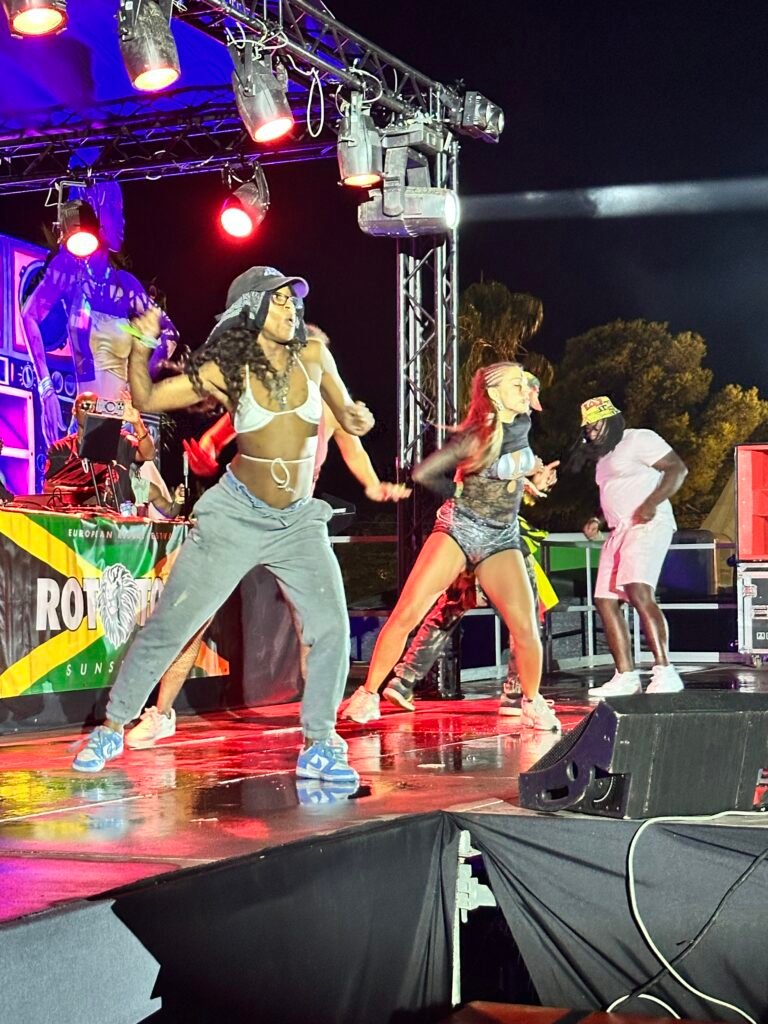
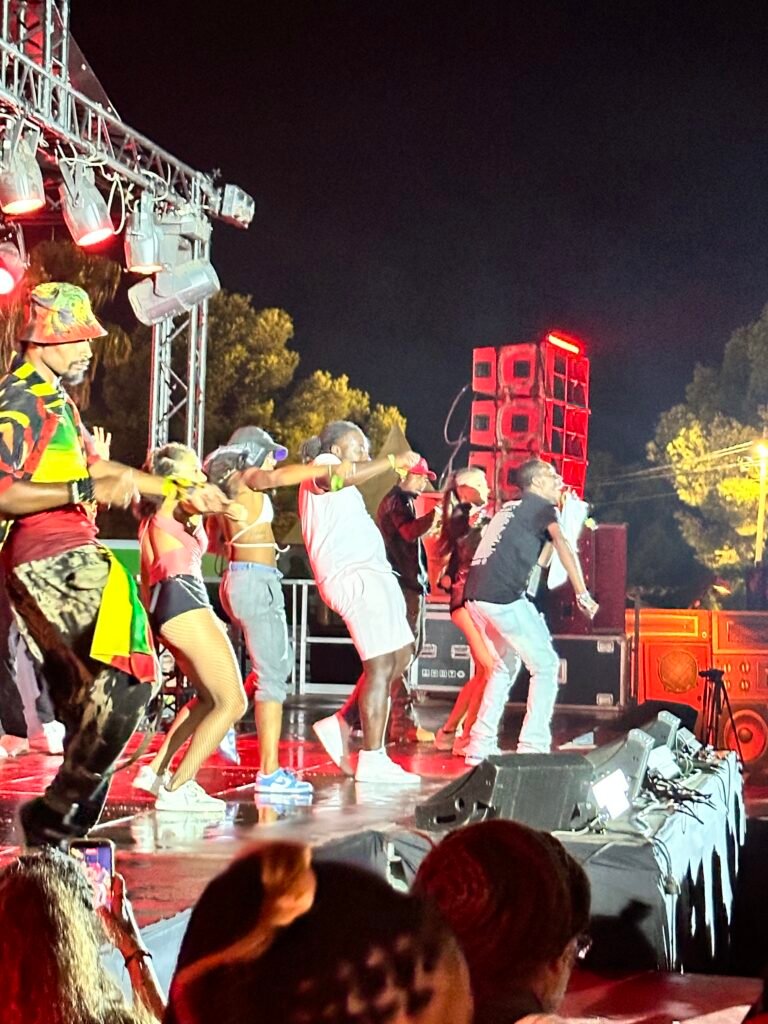
Shenseea, who takes the stage as the headliner on August 20, looks stunning as always—this time in a red outfit that reveals her buttocks. But even she struggles to connect with the audience. Whether it’s her fault or the crowd’s, opinions on site are divided. In any case, I would have liked to hear more hits and fewer DJ sets. That same night, the ageless Jamaican selector Tony Matterhorn proves once again in the dancehall why he’s one of only two selectors to have made it onto the RIDDIM magazine cover. The energetic Juggling King exudes his usual brash charm.
Fans of all reggae genres—from roots, modern roots, roots ragga, to contemporary reggae—will also get their money’s worth. Whether it’s the performances by Israel Vibrations & The Roots Radics—with Flabba Holt on bass and Dwight Pinkney and Steve Golding on guitars—and the indestructible Twinkle Brothers, Bushman, Macka B, and above all Protoje, who, as the headliner alongside his band The Indiggnation—all dressed in black—once again proves why he’s in demand all over the world. The Rototom crowd thanks him with loud cheers. Later that night, we end up with King Digg in the dancehall where King Addies from Brooklyn, New York juggles – the sound that made Matterhorn famous.
On the last day, I barely manage to catch Green Tea Peng, who—with her politically charged, partly spoken-word lyrics and a dub-infused, swinging trip-hop sound with a touch of darkness—gradually manages to draw many people to the Sun Stage. The fact that Kybba later tears up the stage as the headliner—that’s a given. But by then I’m already asleep, dreaming of next year.