

Reflections on Truth, Babylon and the State of the World
While many artists use interviews to promote new releases or upcoming projects, Rider Shafique has long occupied a different space. Known throughout reggae, dub, bass music and sound system culture as an MC, poet and conscious voice, his work consistently explores deeper questions of identity, history, power and human behaviour.
In the following conversation, Rider reflects on a world marked by conflict, social division and information overload. Speaking from personal experience rather than ideology, he shares his perspective on media narratives, political responsibility, Babylon, spirituality and what he sees as the defining challenges of our time.
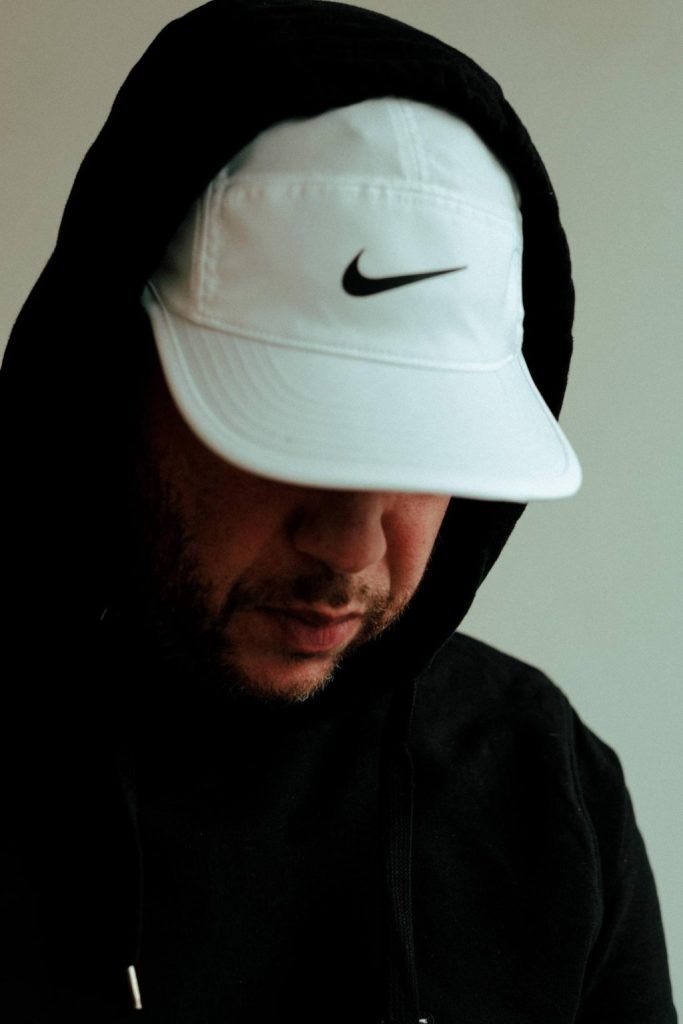
Text: Christian Bautze-Boeke /// Photos: Rider Shafique
Truth, Media and Responsibility
We are witnessing multiple crises at once – from wars in the Middle East to rising tensions worldwide. As an artist rooted in conscious expression, how do you process these realities without becoming overwhelmed or desensitised?
I have always spoken about these times and also knew that the events we see taking place today would be present in our lifetimes. I have a deep interest in human identity, culture, history and psychology. Sadly, the masses tend to ignore the lessons of the past and fall prey to current narratives and social constructs, and hence, we are where we are today. We have to try our best to live balanced lives, so our intake of social media, movies, news and information has to be just as important as our diets in order not to become overwhelmed, desensitised or misinformed. It’s not easy, though.
In times like these, silence can feel like complicity. Do you think artists have a responsibility to take a clear stance on political issues – or is there also power in choosing when not to speak?
”Artist” is a very broad term. Many artists create to help others understand political issues, to stand up for humanity, to be a voice for the voiceless and to take a clear stance. Others create for personal gain and will mislead people if it brings them the desired result. Artists mirror society. In these times, we should take notice of who is silent, who distracts, who misleads and make up our own minds about whom we choose to listen to.
Many people feel that media narratives around conflicts and global politics are deeply biased or incomplete. How do you personally navigate truth, and what role does your art play in challenging dominant narratives?
My experience navigates my truth. I have always been ”othered” by society. This Western world has always lied to me about my being and my history, which I have had to unlearn throughout my lifetime. From an early age, I have seen through the narratives presented by the media and their indoctrination. I follow in the footsteps of those great creative minds who challenged society, its institutions and its systems and expressed their truth through verse, song and other creative art forms.
Division, Identity and Society
Across Europe and beyond, we see a rise in Islamophobia and social division. From your perspective, what are the deeper roots of this fear and how can culture and music counteract it?
Islam is the world’s fastest-growing religion. The West is known to be predominantly Christian. From my perspective, much of the Islamophobia is being used to try to slow this growth down and maintain Christianity’s dominance. Music and culture can help those who are willing to think for themselves see through the hatred and lies being told. My focus is on those who genuinely want to learn. I’m not here to try to educate everybody.
Babylon in the 21st Century
The idea of the ”Babylon system” has long been part of reggae and sound system culture. What does ”Babylon” mean to you today?
Babylon is the system and all of its layers and networks of corruption, misinformation and destruction. It is everything that stands against humanity, the Earth, natural livity and the order of the Most High. Babylon takes on different guises throughout history, but its mission has always remained the same.
Figures like Donald Trump have reshaped political discourse globally. Do you see this as a temporary shift or a deeper transformation?
It highlights the sad state we humans are in. I focus on those who genuinely want better for humanity as a whole. We are blatantly being lied to every single day, yet we continue to follow blindly like sheep.
Collapse or Transformation?
Do you see the current state of the world as a form of collapse, transformation or something else entirely?
I see the current state of the world as one of mass confusion. We are experiencing a form of collective mental illness where our outrage is selective and often misinformed. I believe we are witnessing some kind of collapse, and those collapsing are doing everything they can to hold on to whatever power they have left.
Looking Ahead
What gives you hope when you look at the world today?
One of my favourite quotes about creativity comes from Dr Martin Luther King Jr.: ”Almost always, the creative dedicated minority has made the world better.” Music itself teaches us that many of the most influential genres emerged from struggle and difficult times. We have always survived and we will continue to do so.
What lessons could the wider world learn from sound system culture today?
It brings us together on one level, but we often romanticise messages of love and peace without examining the systems that continue to hold humanity back. Bringing people together around a common goal is only the beginning. There is still much more work to do.
When you think about the next generation growing up in these times, what values will matter most?
To listen and learn from the past. To focus more on the message than on the means. To remain open-minded and to be open to being wrong. We need each other more than we know.
Final Thoughts
Rather than offering easy answers, Rider Shafique challenges listeners to examine the narratives they consume, the systems they participate in and the values they choose to uphold. In a time defined by noise, certainty and division, his perspective is ultimately an invitation to remain curious, critical and connected.