
This article was first published in December 2019 (RIDDIM 01/2020).
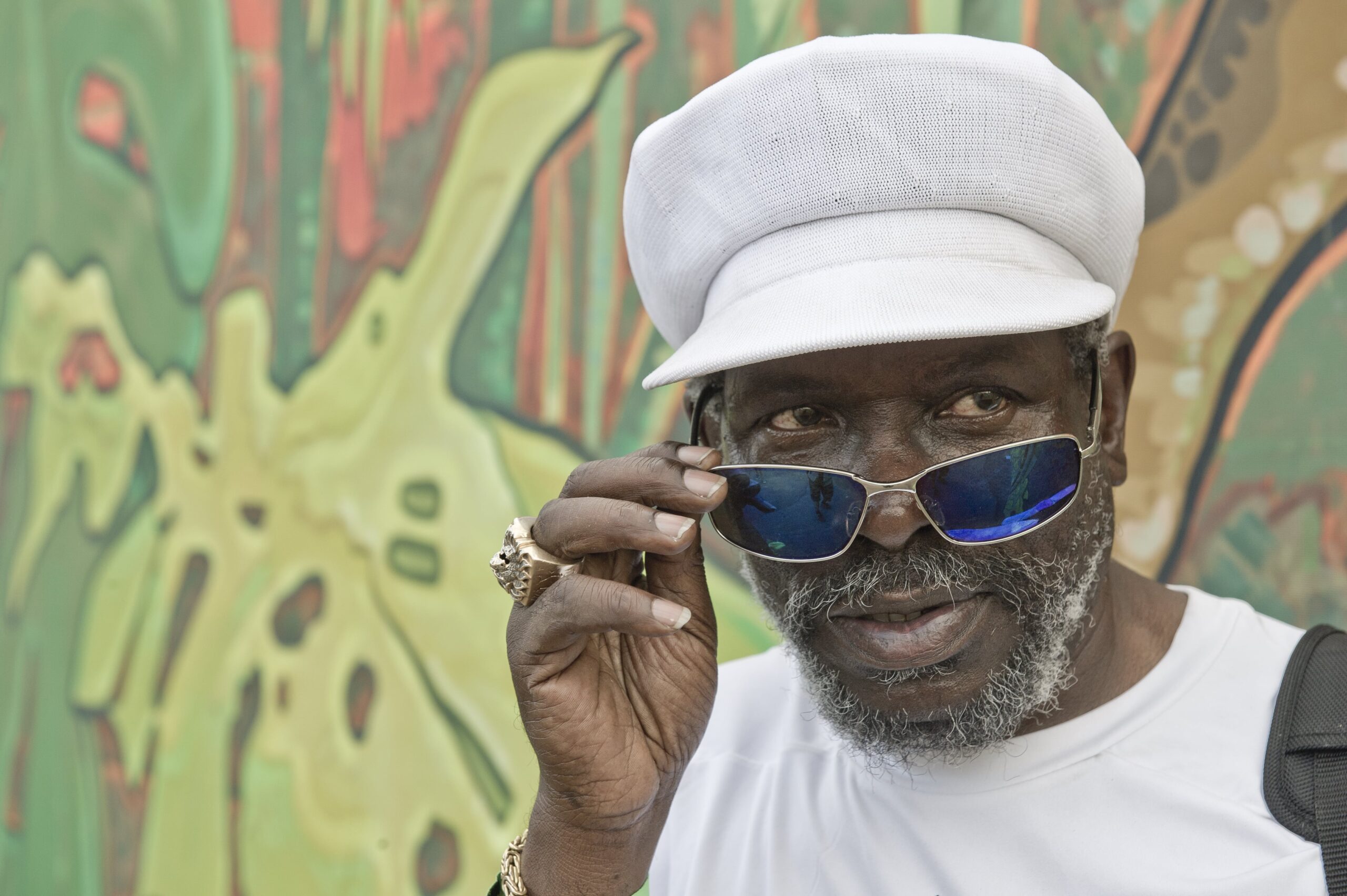
The story of ”Truth & Rights” is quick to tell. I always loved the riddim ever since I heard the original version from 1968, ”Take A Ride” by Al Campbell. Even then, I thought to myself that I would one day voice the riddim. I had already tried my luck with Studio One in the 60s. For five years, to be exact. I kept going to the auditions on Sundays at Brentford Road. I really wanted to get my foot in the door at Studio One. But every time, the line of waiting singers was so long that I never got to sing my songs to Coxsone. Either he ended the session before it was my turn, or I left right away because it was immediately clear that there was no point in waiting.
I really wanted to work with Coxsone Dodd, because I thought he was special. People always say that Studio One is the Motown, and Coxsone the Barry Gordy of Jamaica. But for me, Studio One was always much more. I would have felt very bad if I hadn’t had the chance to record there in my life. I knew that if I succeeded, I would have fulfilled my greatest dream, and even if nothing more came after that, I could be satisfied with my career.
In 1969, I emigrated to Canada, where the reggae scene was very modest. I had the feeling that there wasn’t enough for me to do there. Sure, I had my band, I‑Shen People, with whom I made two albums for GRT Records and toured for two summers as the opening act for Blood Sweat & Tears. But I felt there was more for me out there, which is why I returned to Jamaica in 1979. I wanted to get back into the reggae mainstream. That was only possible there. Now it was easy to get my foot in the door at Studio One. Before I emigrated to Canada, I had recorded the album ”Come Back Darling” for Techniques. So I was known in Jamaica. That’s why I didn’t have to stand in line at Studio One this time, I didn’t even have to audition. I kicked the door in and marched straight into the recording room to record the album ”Truth & Rights,” which, according to the statistics, is the best album of my career. I still like it a lot myself today.
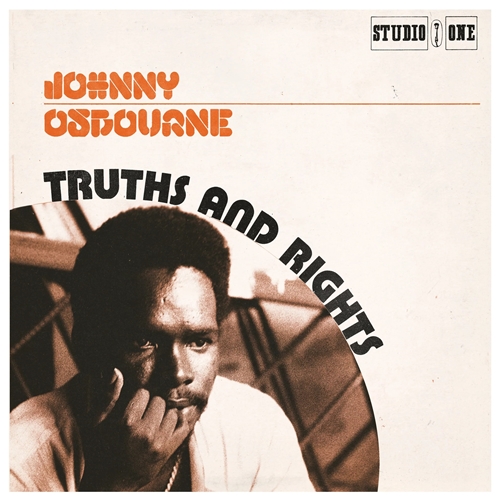
So I went in and worked my way through huge stacks of old tapes. I had an old T‑shirt with me, I dusted the boxes and listened to the old riddims over and over again for a long time. The words that came to me came from the riddims, they told me what to sing. I didn’t even need to write anything down. I heard a riddim and sang what came to my mind.
Jamaica was on the brink of civil war back then. The ruling PNP, with Prime Minister Michael Manley, had introduced socialism, which the JLP, led by Edward Seaga, did not like any more than the USA did. With their help, he fought the government and the country was deeply divided. Kingston was divided into party-led garrisons like a chessboard, fighting proxy wars that killed many people. Many left the country, either because they feared for their lives or wanted to keep their property safe from the socialists. I didn’t want to address this situation directly, but of course it left its mark on me. I think that’s where the line comes from: ”Children say a little prayer, every night before you go to sleep, ’cause tomorrow is promised to no one. When you think it’s peace and safety, Lord, it could be sudden destruction.”
I am often asked about the first line: ”Render your heart and not your garments.” It doesn’t matter how clean your clothes are if your heart is not pure, you might as well go naked out the door. And if you are pure of heart, it doesn’t matter what you wear anyway. What counts are the inner values, not the outer ones. Rastafari!