

Text: Mel Cooke
This article was first published in September 2024 (RIDDIM 04/2024).
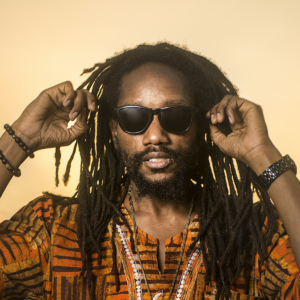
Dreadlocks is to Jamaican Popular Music performers and musicians, especially reggae, what spouting off is to USA athletes, in particular sprinter Noah Lyles at the moment. So not everyone in the group has this characteristic, but there are sufficient who do to make those who do not stand out, and those who do show the behavior or physical attribute to create a convincing stereotype.
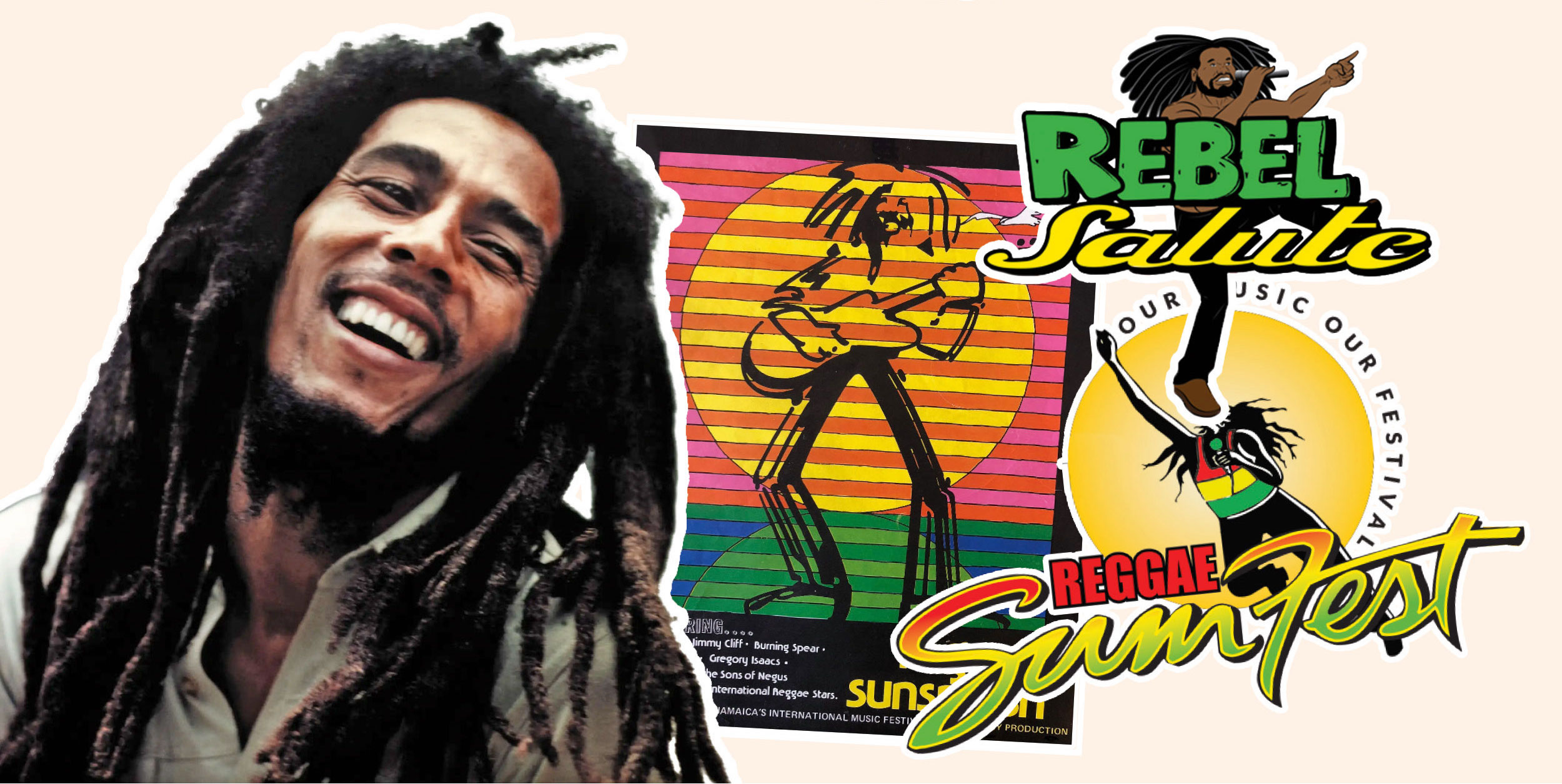
Of course, the number of standout performers, from the Wailers and the Marleys to Morgan Heritage, Buju Banton, Burning Spear, Big Youth, Tarrus Riley, Sizzla, Capleton, Steel Pulse’s David Hinds, Mutabaruka, Protoje, Jah9, Spragga Benz and so many more that a complete list is impossible to put together, supports the notion. Added to that are the logos for the Rebel Salute, Reggae Sumfest and (now dormant) Reggae Sunsplash Jamaican music festivals, which all feature drawings of dreadlocked men and it is possibly still a surprise to persons visiting Jamaica for the first time that not everyone is sporting dreads.
Connecting the locks analogy with one on Jamaican Popular Music in general by an unimpeachable authority, in the 2002 BBC documentary ”Reggae: The Story of Jamaican Music”, Jimmy Cliff describes it as Jamaica’s oil. So the logical thread would be that the locks which are so central to the image of reggae would be as valued in Jamaica as a component in producing oil is in a country fortunate enough to have the valuable substance (well, unless the USA wants it so badly that it is willing to start a war or destabilize the country to liberate some suddenly oppressed people in the country to get at the reserves).
The logic does not hold. In 2024, 72 years after Jamaica gained political independence from Britain, it has taken a Court of Appeal ruling to have a decision by a primary level school to have a girl wo was denied entry because of her dreadlocks overturned. In July 2024 the Court of Appeal ruled that the constitutional rights of the girl had been breached when Kensington Primary School, St. Catherine, barred her from entry unless her hair was cut. As these legal things go out took a while – the school took action against the potential student in 2018 (when the girl was five years old) and the Supreme Court upheld the decision in 2020.
In justifying its position, the school said that dreadlocks were unhygienic, that it was prone to lice and what Jamaicans call ”junjo” – a really nasty looking and smelling mold (not to be confused with the late Volcano sound system owner and record producer Henry ”Junjo” Lawes, who was murdered in England in 1999). This was in 2018; in 1977 George Nooks (as deejay Prince Mohamed) recorded ”Forty Leg”, which demanded ”stop spread propaganda pon di dread/cause di dread no have no forty leg inna him head”. This was in response to a notion being bandied about that Rastafarians had ”forty legs” (as centipedes are known in Jamaica) in their hair.
”Forty leg”, ”junjo”, lice, same supposition of extreme uncleanliness or, as Jamaicans put it, nastiness.
While Rastafari and deadlocks have become synonymous with reggae, those looking in from outside Jamaica would have to understand that the education system and Rastafari operate on completely different levels in a heavily stratified society, with Christianity dominating the former. So Bushman could urge ”grow yu natty mek it come dung” as much as he wants; Morgan Heritage can insinuate strategic concealment with ”Don’t Haffi Dread”; Bob Marley and the Wailers can encourage ”grow your dreadlocks / don’t be afraid of the wolf pack” as much as they want, there are sections of the education system which say no to dreadlocks. Ras Karbi put it well in ”Discrimination”, a song about a Rastafarian at a job interview letting out his locks, to the terror of the interviewer, as it was made clear that ”long hair freaky people need not apply / no want no ol nayga no Rastafari”.
The rejection is not universal, though, with many schools at the basic, primary and secondary levels making concessions on grounds of the students’ religion. However, there is much discrimination, most of which does not go into the legal system, much less reach the prominence of this particular case.
It is part and parcel of the remnants of the Jamaican state’s oppression of Rastafari, from its inception in the 1930s and, perhaps, peaking in the Coral Gardens Incident (Rastafari say Coral Gardens Massacre) of Good (Rastafari say Bad) Friday, 1963, starting in Montego Bay and spreading across western Jamaica especially. Then there was the bulldozing of Back O Wall, western Kingston, in 1966 to make room for the building of Tivoli Gardens, before the rise of reggae in the late 1960s into the 1970s, which dovetailed neatly with the democratic socialism position of the Michael Manley led People’s National Party (PNP) Government, which came into power in 1972.
Still, oppressive policies are held in place in pockets of power all across the land, including the education system. This ruling is one victory, which has taken 8 years and lots of money (although a figure has not been publicized). Many more have suffered and are suffering in silence, all for a head of hair – and the contradiction to the Jamaican status quo which it represents.