

For the fourth time, a four-day conference dedicated to the business of Jamaican music took place in Kingston at the end of February. Its central question: Who owns reggae? Rebecca Raum reports from the sessions.
Text: Rebecca Raum
”Rahtid.”
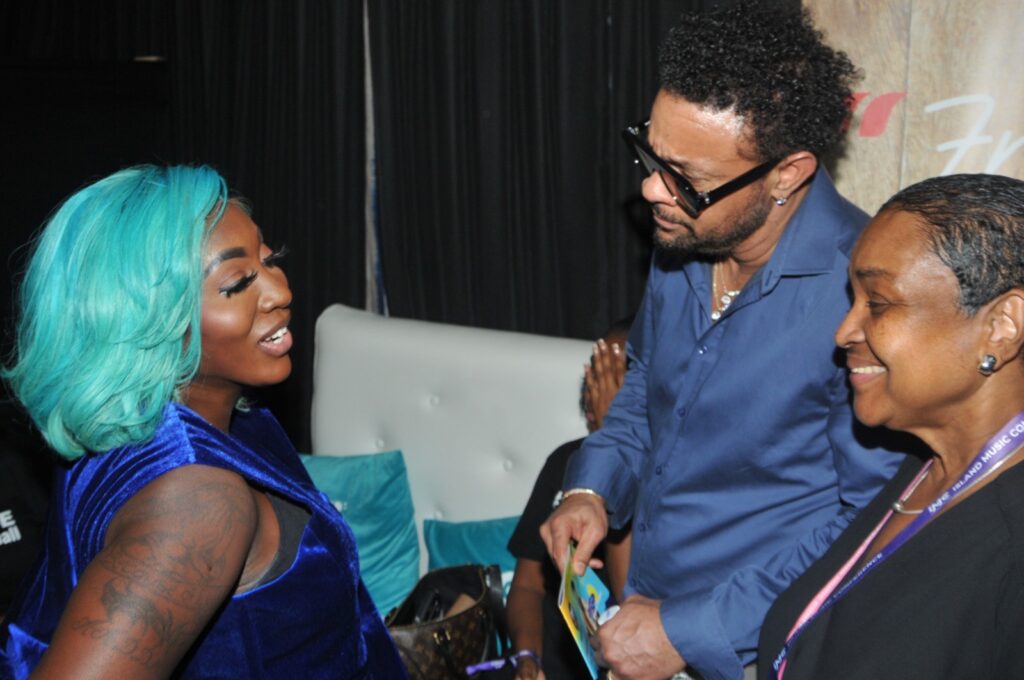
That was the first word Shaggy said when Judith Bodley, one of the co-founders of the Island Music Conference, called him on stage to open the fourth edition of the Island Music Conference (IMC) in Kingston. The spontaneous outburst broke the formality of the moment immediately. He went on to welcome the attendees and set the tone for the upcoming panels.
This year’s theme centered on ownership. For decades, artists across the Caribbean, particularly in Jamaica, have often been excluded from the long-term value of the music they created, even as it continues to shape global sounds today. Shaggy’s vision is to help them educate themselves so they can take their careers into their own hands.
On the first morning, the Courtleigh Auditorium is packed. The audience is diverse, school students sit next to producers, songwriters, emerging artists, media professionals and industry veterans.
Now in its fourth year, the conference has already established itself as a key meeting point for the Caribbean music industry. Initially, it was held as a five-day event (this year it latest four days).
After Jamaica’s national anthem and opening remarks from Minister of Culture, Gender, Entertainment and Sport, Olivia ”Babsy” Grange, the first panel begins: ”Mastering the Art of Influencer Entrepreneurship.” The title signals that the conference means business and focusses on giving attendees practical career tools.
The panel brings together a lively mix of multi-hyphenate professionals. Dancehall star and entrepreneur Spice, artist, DJ and actor Noah Powa, podcaster Jaii Frais and UK presenter and DJ Becca Dudley share the stage, moderated by Wayne Marshall.
Opinions differ. Talent and personality may get you attention, but consistency is what keeps the algorithm (hopefully) working in your favour. More importantly, the panelists stress clarity of purpose. Are you building an audience to sell music, or are you creating a platform to promote other products or wider ventures?
The discussion revolves around a question many young artists are grappling with: How do you turn influence into something you actually own? Is success driven by talent, personality or relentless consistency?
When Jaii Frais raises the question of what actually defines an influencer, Spice takes things a step further. She invites several influencers from the audience onto the stage, turning the conversation into a spontaneous moment of audience participation.
”Getting followers is not the goal. Ownership is,” Spice tells the audience, echoing the theme Shaggy introduced earlier. Wayne Marshall sums it up: ”Influence can open doors, but entrepreneurship can build a house.”
Moments like this show that the IMC rarely feels like a rigid corporate conference. Many times, the room is filled with laughter.
Between panels, international DJs including Seani B from the UK and DJ Dr Doom from the US play riddims, while artists such as Kemar Highcon perform.
Every part of the Caribbean music scene gets highlighted. Even the dancers who help make dancehall what it is, and who often drive viral dance trends, get their moment to shine. Drift dancer Gabbidon even attempts to teach veteran entertainment executive and IMC co-founder Sharon Burke a move.
Spice stands out not only for her panel appearance but also for her commitment to the conference itself. She returns every day to sit in the audience listening, learning and asking questions alongside the other attendees.
The Island Music Conference is notably personable. Attendees can get close to key figures from the music and wider entertainment industry. From the way people speak on stage in their own dialect to the depth of the behind-the-scenes stories shared, the tone remains open and direct. Panelists frequently move beyond rehearsed talking points to share personal experiences, sharing their successes but also their mistakes and losses.
Moments like Stephen ”Di Genius” McGregor describing recording sessions with Mavado while still a teenager, or Lila Iké reflecting on attending Grammy Award events, bring a rare behind-the-scenes perspective to the audience. Lila recalls how surprised some people were to see her presented as a reggae artist, highlighting the persistent expectations around what a reggae performer is supposed to look like.
Equally valuable is the chance for attendees to ask direct questions, something not always possible at larger international conferences.
Community building is at the heart of the event. Networking happens not only during the panels but throughout the evening programme. The Chairman’s Dinner, the Island Vibe Showcase for emerging artists and a dedicated film night create additional spaces for connection.
Education also extends beyond the stage. Daily songwriting workshops give young producers, singers and songwriters hands-on opportunities to network, collaborate and develop new material.
The conference aims to provide a holistic view of the music and entertainment industry and connect the different parts of it. Panels cover topics ranging from creative practices and performance to artificial intelligence, branding, management, media and marketing, publishing, streaming revenue and booking strategies.
Beyond practical advice, the discussions also raise broader questions that the industry is still grappling with. From how Caribbean genres are represented and how to get their own categories at major institutions such as the Grammy Awards, to how emerging technologies like AI may reshape music creation and rights ownership. Many of these conversations point out challenges that don’t yet have clear-cut answers.
Conversations around mental health in the music industry also surface repeatedly, reflecting the growing awareness of the pressures artists and industry professionals face.
The lineup reflects that breadth, featuring figures such as soca legend Alison Hinds, dancehall artist RajahWild, hiphop pioneer Sandra ”Pepa” Denton, multi-platinum record producer Major Seven, artist manager Romeich and industry veteran Tuma Basa.
At times, the sheer volume of information or technical jargon can be overwhelming, particularly for younger artists still finding their footing on the business side of music. Yet there is always at least one valuable takeaway for every attendee.

Much of that momentum comes from the team behind the conference. Co-founders Shaggy, Sharon Burke and Judith Bodley continue to refine the event year by year.
Credit is due to the entire IMC team who work tirelessly behind the scenes. Scheduling can still run slightly behind at times but the organisation continues to improve each year.
Even when last-minute dropouts occur, the team manages to maintain high-quality and informative panels, sometimes with co-founder Judith Bodley stepping in to host herself, bringing an energy and industry insight that often elevates the conversation.
Four years in, the Island Music Conference is still evolving. But its core mission is clear: to strengthen connections across the Caribbean music industry globally, while giving artists the tools to claim ownership of their work and uniting professionals to build a more sustainable future for Caribbean music.