
Costa Rica, the ”rich coast”, is a Hispanophone country between the oceans. In addition to the Pacific coast in the west, the Central American country also has over 200 kilometres of beaches on the Atlantic side. So it’s no wonder that, in addition to the Caribbean Sea, a good portion of cultural heritage has also spilled into the country from the Antilles.
Text: Gardy Stein
This article was first published in June 2024 (RIDDIM 03/2024).
In fact, it was Jamaican labour migrants who brought their music, their language and their eating habits with them, laying the foundations for a great love of reggae in Costa Rica. As early as the 1880s, thousands of Jamaicans came to the country to build the railway, and from 1960 onwards they increasingly came to work in the shipyards on the east coast. Always in their luggage were records, cassettes and later CDs of the music currently in vogue in Jamaica. And so Peter Tosh, Mighty Diamonds, The Gladiators, Bob Marley, Steel Pulse, Yellowman and Buju Banton blared out of the local loudspeakers – the records were then copied hundreds of times and travelled to the capital in the interior of the country.
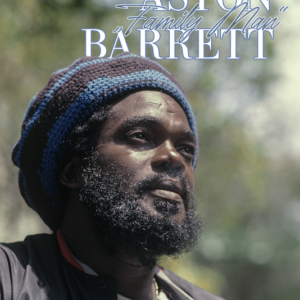
”Reggae was my companion from day one, that’s where my vibes come from!” recalls singer Aborijah. He grew up in Puerto Viejo, not far from the harbor town of Puerto Limón, where the music blared from old transistor radios and where older rastas such as Ras Opi (R.I.P.), Ras Mateo and Ras Kelly introduced him to the work and message of Max Romeo and other roots veterans. When asked about his own beginnings as an artist, he laughs: ”I used to sing everywhere, barefoot on the beach, under the coconut palms, to the sound of the waves. When we came back from surfing, I just started improvising for my friends.” As there was no significant musical infrastructure at the time, it was not until the new millennium that he made his first stage appearances and studio recordings. His first single ”Caminar Fumando” was released in 2013 on a dancehall riddim and found its way onto DJ Juan’s radio program – years later, House of Riddim released the track in a new guise on their ”World Wide Riddim” sampler.
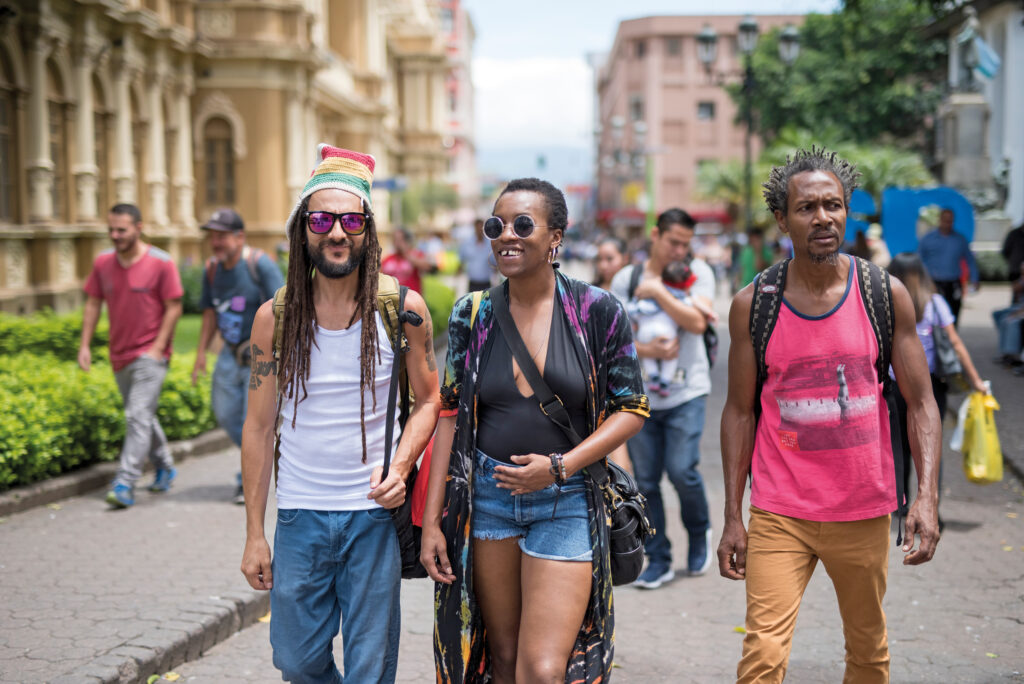
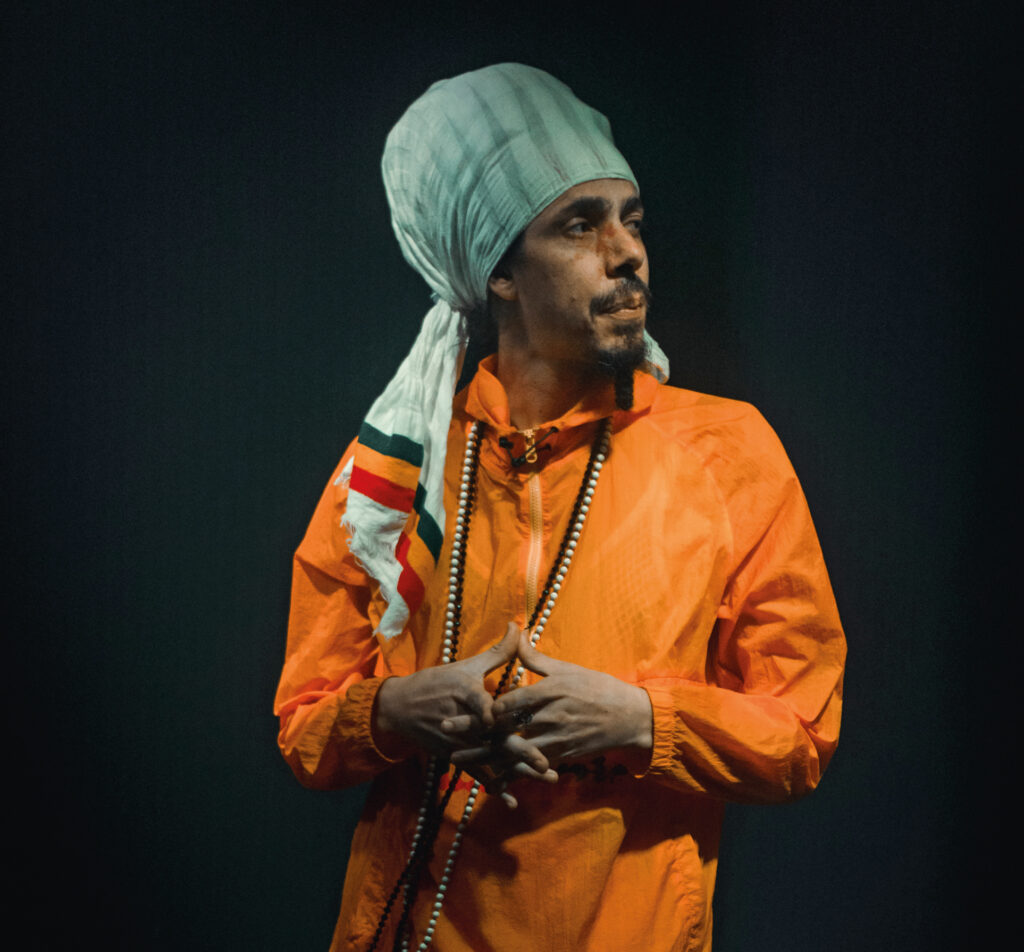
(Photo: Marcela Bertozzi)
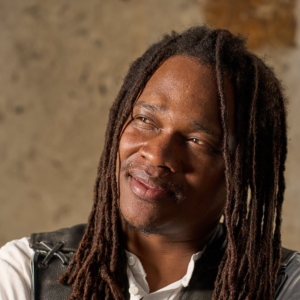
Artists such as Martin Scott, who mixed ragga and calypso (check out his 1988 album ”El Caliente”!), the band Mekatelyu, founded by Gabriel ”Gabo” Dávila and Johnnyman, and the Trinity Roots Band, which has been active since the 90s, were primarily responsible for establishing the local scene. Their singer Trinity died in 2018, but his work has had a lasting influence on many compatriots. Take Jahricio, for example, who worked for Trinity Roots for a few years and, as he says, learnt a lot in the process. His musical socialization is exciting, as he only found his way to reggae via detours: at home, his mum mainly played rock (Led Zeppelin, Rolling Stones and Queen), and as a teenager he listened to punk and ska while skating. Even then, he was particularly interested in the more melodic tracks, and so he rediscovered the Skatalites, Jamaican rocksteady and the ubiquitous reggae. He picked up a bass, started playing around the turn of the millennium and became a sought-after instrumentalist. Over the years, he honed his skills and has now been on the road as a singer for almost two decades, has performed on stage with greats such as Alborosie and is one of the few reggae producers in the country. ”Un Leo No Se Rinde” (A Lion Doesn’t Give Up) is one of his best-known hits; the motivation that resonates in the lyrics, the ”upliftment”, is extremely important to him and is also expressed on the album ”El Rugido”, which was released in 2023.
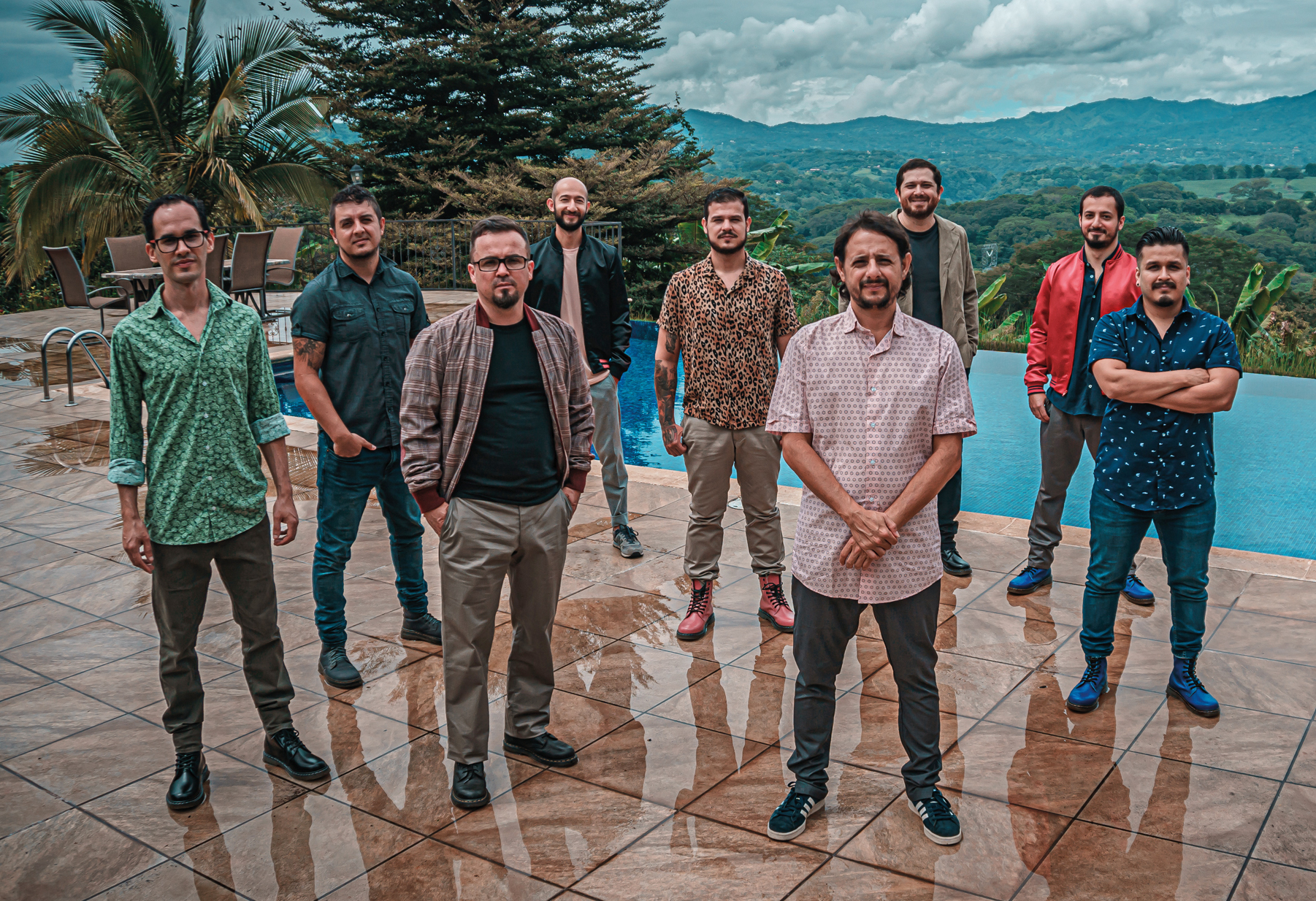
Hugo Villalobos from the band Mentados reports a similar start. He and his mates started rehearsing in 1998 when they were just 16 or 17 years old – punk, hardcore and ska were the order of the day. However, the stylistic direction soon changed due to influences that were transported via MTV and live concerts: ”At that time, many Latin American bands came to Costa Rica, from Colombia, Argentina, Mexico… They made reggae, but not like that from Jamaica or Africa. They mixed reggae with Latin American rhythms. We liked that and it influenced us a lot, we wanted to do something like that.” No sooner said than done. What began as an experiment with second-hand guitars, a rubbish microphone and broken amplifiers has grown over the years into a ten-piece group that is now one of the best-known ska-reggae fusion representatives in the country.
Classic roots reggae is represented by the equally successful band Un Rojo, named after the red 1,000-colón note, which is not quite worth two euros. Their singer, Esteban Chavarría Segura aka Jaguar, and bassist Luis Carlos Cordoba Ubaldo, originally from Colombia, met on the Caribbean coast in Puerto Viejo at the turn of the millennium and quickly inspired other musicians to realise their dream of forming a band. In 2009, they were joined by singers Kumary Sawyers and Mary, and together they now perform at all the major festivals in Costa Rica: last year they played at the more mainstream Picnic Festival, they have also played at Finca Fest, and in April they were at the Puro Roots Festival together with local reggae greats such as Earthstrong, Bet Shalom, Ojo De Buey, Moonlight Dub and dancehall legend Toledo.
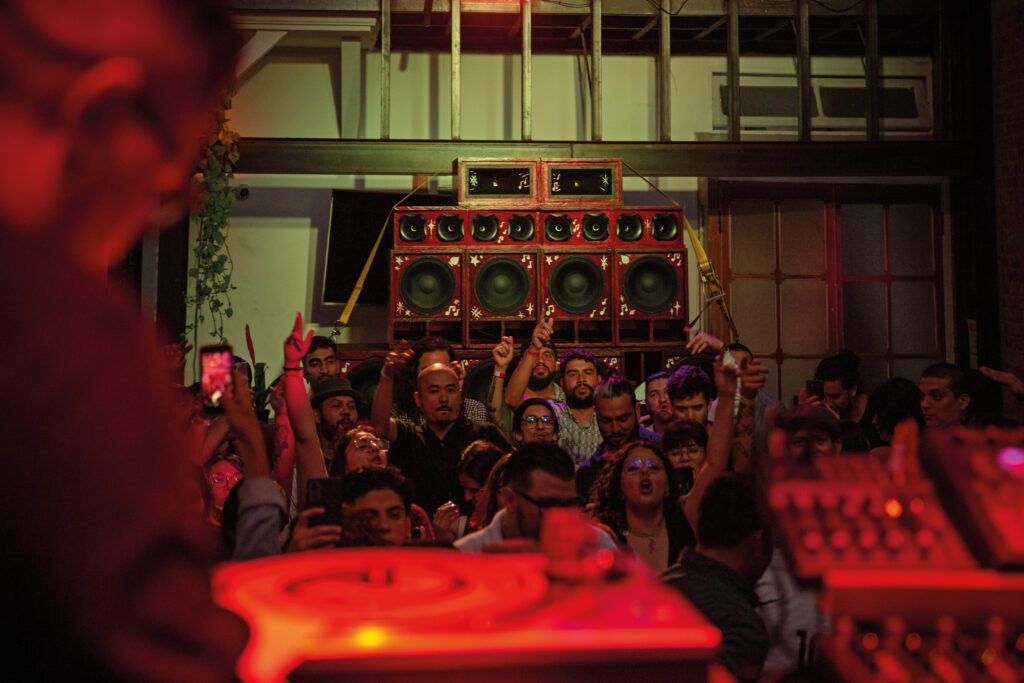
And while we’re name-dropping: Baby Rasta, Talawa Reggae Band, Ras Manuel, Mike Jospeh and Huba Watson are also often mentioned when asked about local reggae artists, while DJ Juan, DJ Luiz Dubs, DJ Acon and The Aces Sound System (founded in 2009 by Txino, Steady 7, Walter Solano, Freddy Rueda and Docta Rythm Selecta, this sound even has its own stacks) are mentioned as important multipliers. The latter are responsible, among other things, for the parties that take place everywhere, whether in small bars in Puerto Viejo and San Pedro or in the larger clubs such as House of Reggae and La Concha de la Lora in San José. The aforementioned ”Docta”, presenter of the TV and radio programme ”Di Docta Show”, even reported on the scene in his home country on Rototom last year. Another reggae-orientated TV show is called ”Terre Latino”, and the university’s independent radio station also supports local talent with plenty of airtime.
The popularity of the various reggae genres seems to run from old to young in a similar way to Germany, as Jahricio mentions: ”There are actually two markets, one is roots reggae and the other is urban music such as dancehall, afrobeats, reggaeton or dembow. Just party music! I would say that many young people tend to favour the latter. But reggae will always be there, the upcoming concerts by Protoje, Steel Pulse, Anthony B and Buju are sure to be sold out again!”
The scene is now well networked, there are recording studios, producers and managers. One of them, Donovan Camacho (House Of Artists), made contact with Mentados and Un Rojo. Singer Kumary Sawyers (Un Rojo) worked with Aborijah on his debut album ”Soy Del Caribe”, released in 2023, and the interview with Jahricio only came about because he came to visit the night I had a date with Aborijah. Kumary sums up this vibe as follows: ”Our story is mythical, spherical. We live in a country full of encounters, where people from different cultures come together. It’s the melting pot of genres that makes us unique. Reggae has come to stay!” Aborijah adds: ”Reggae from Costa Rica is very organic, unique. Most of my colleagues mix English and Jamaican patois with Spanish. We have incredibly talented artists here, we just need a little global attention.”