

Text: Ellen Köhlings /// Photos: Stephan Haas
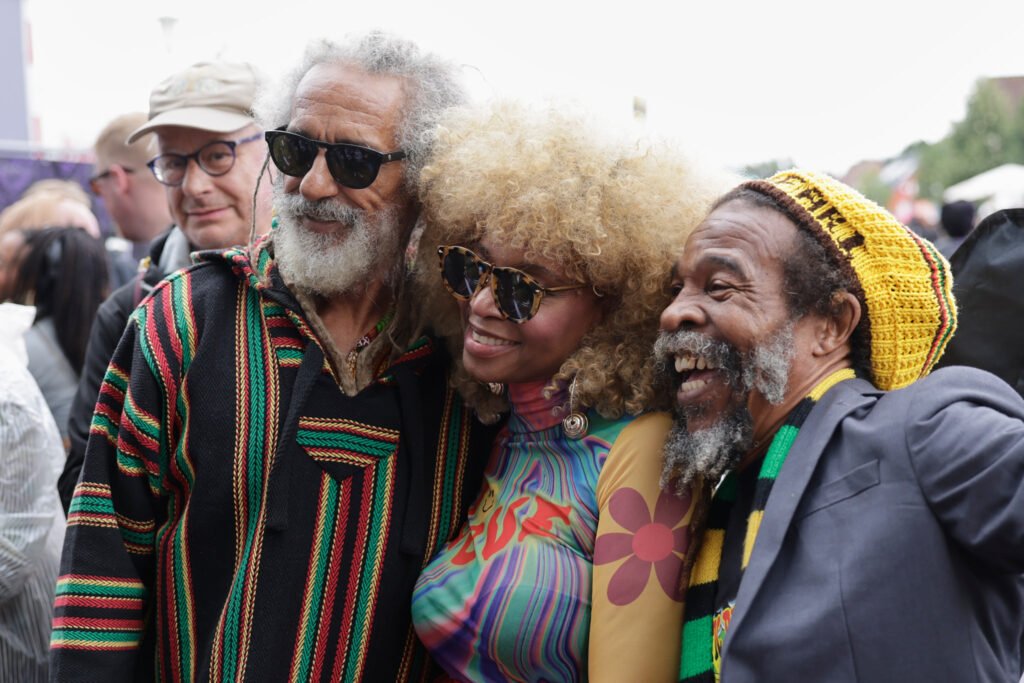
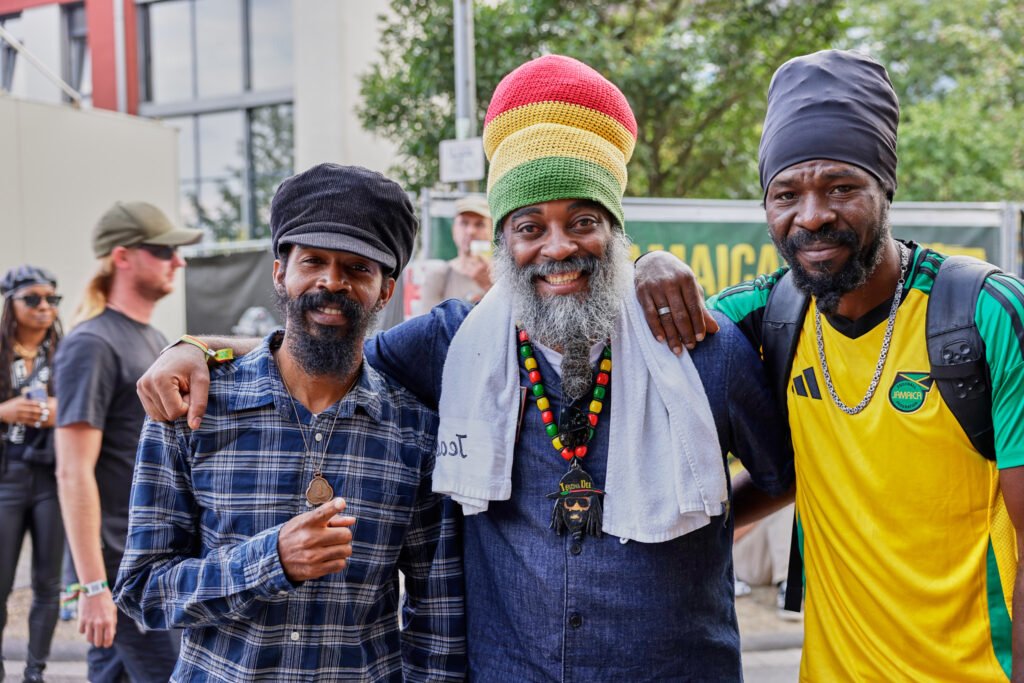
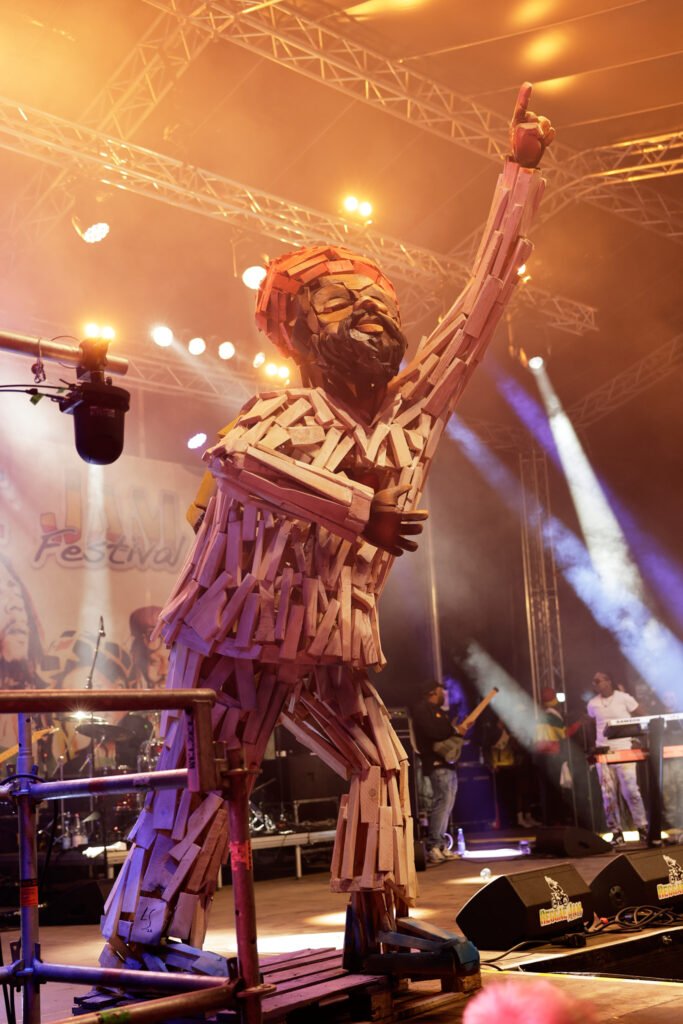
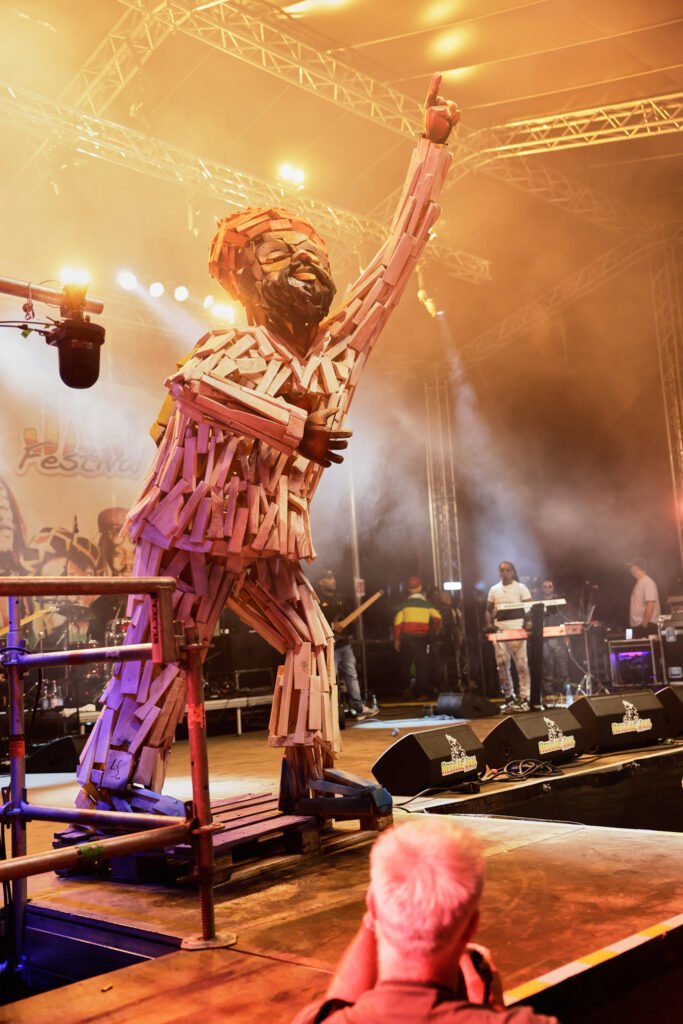
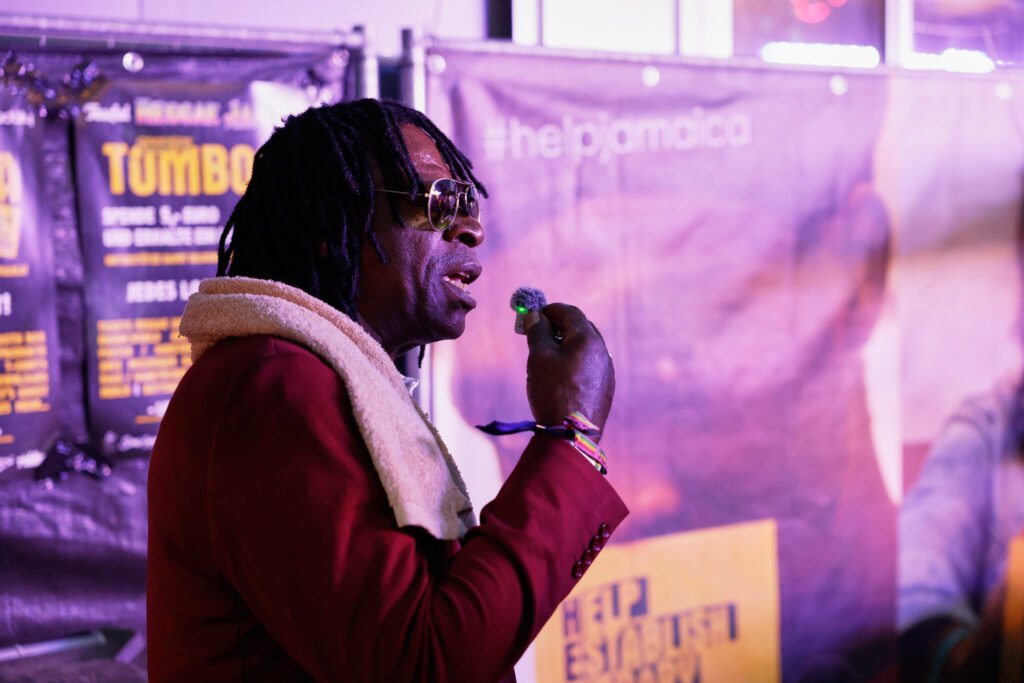
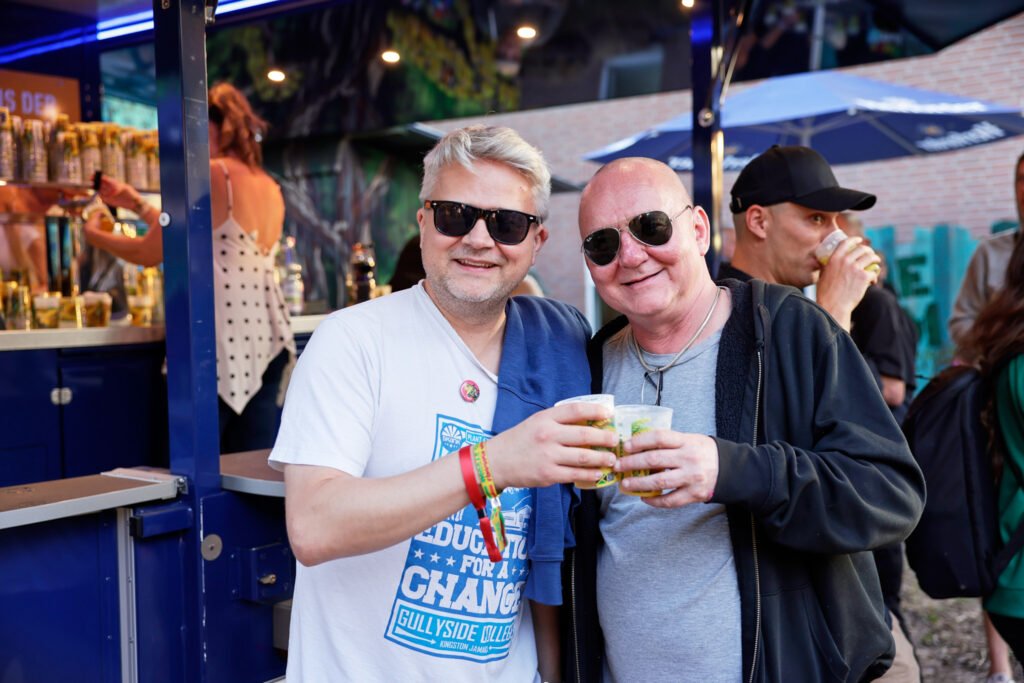
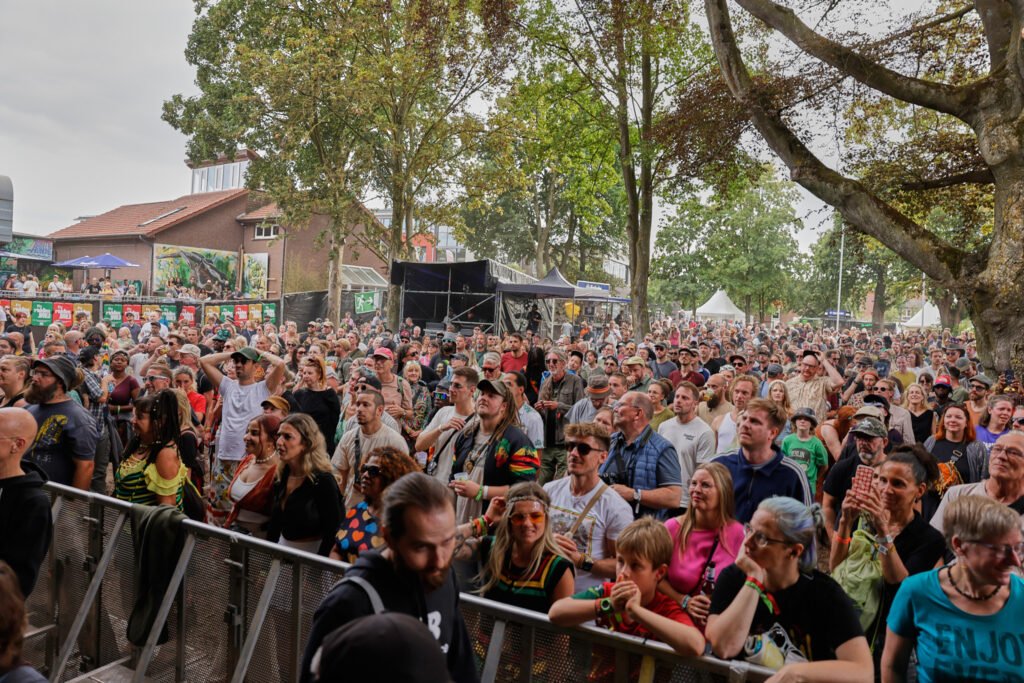
I’ve lost count of how many times Reggae Jam has taken first place in the RIDDIM reader poll. Quite a few times. Many attribute the festival’s popularity first and foremost to its very special vibe – a gathering of a community that not only listens to the same music but also shares the same values and feels connected as a result.
Reggae Jam is also Bernd “Sheriff” Lagemann – the festival’s mastermind. With a great deal of love and passion, he’s turned a small event into something big. That doesn’t always translate directly into numbers. But this year, far more people found their way to Bersenbrück than in recent years.
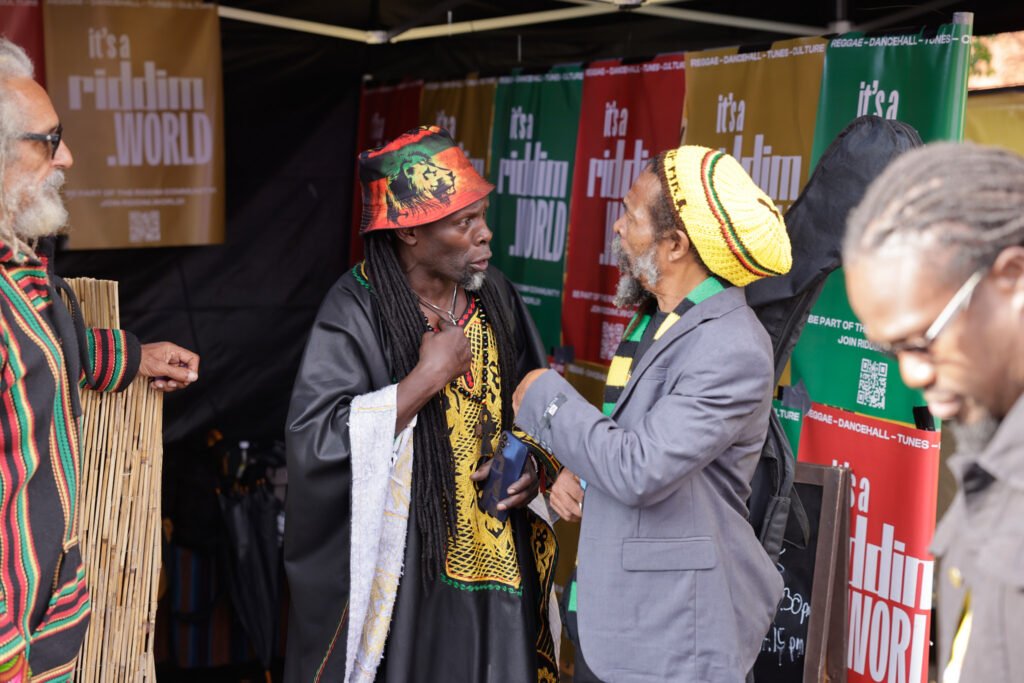
Ah yes, the tranquil municipality on the Hase River. Many of its residents mingle with the reggae crowd and get lost in the vibe. People of all backgrounds come together at RJ – many with African roots. Their stalls line part of the path from the Heidekrug, our lodging, to the festival grounds – along the Hase River.
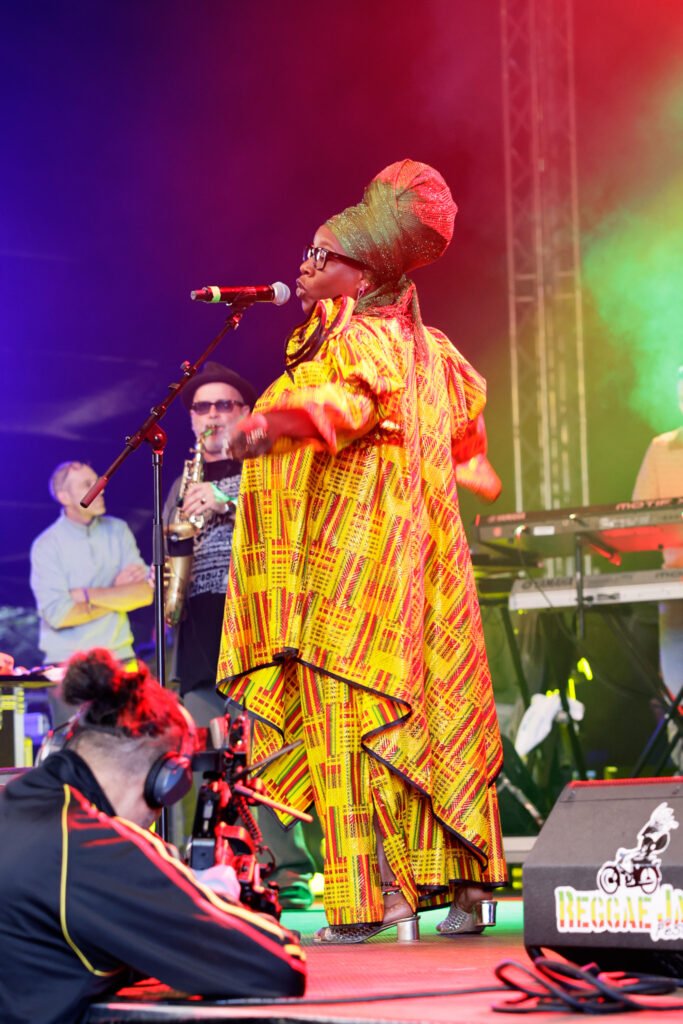
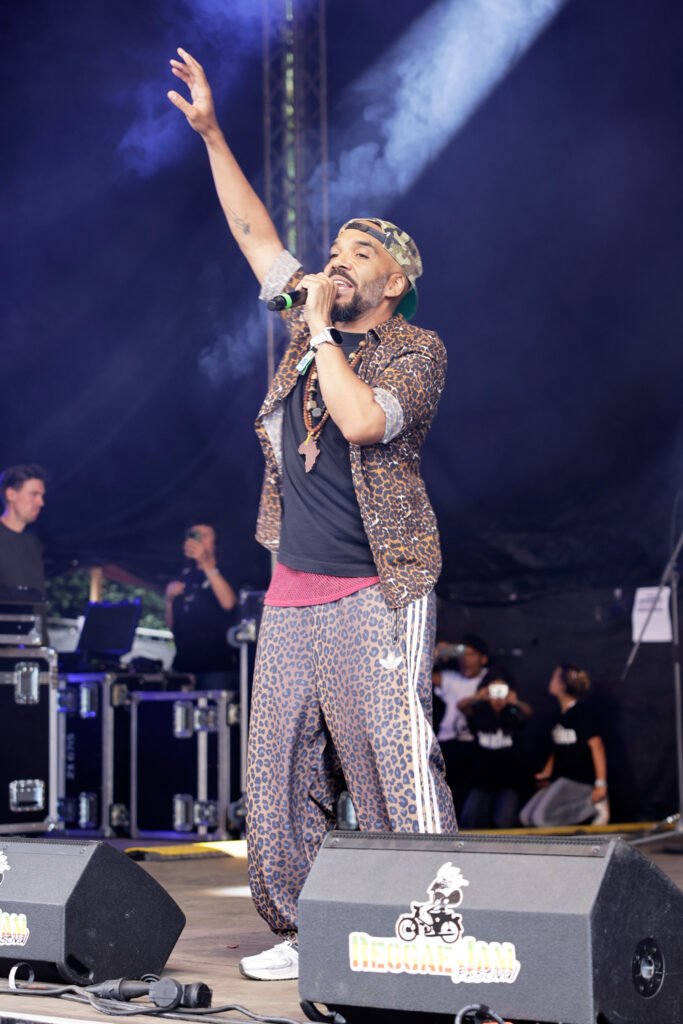
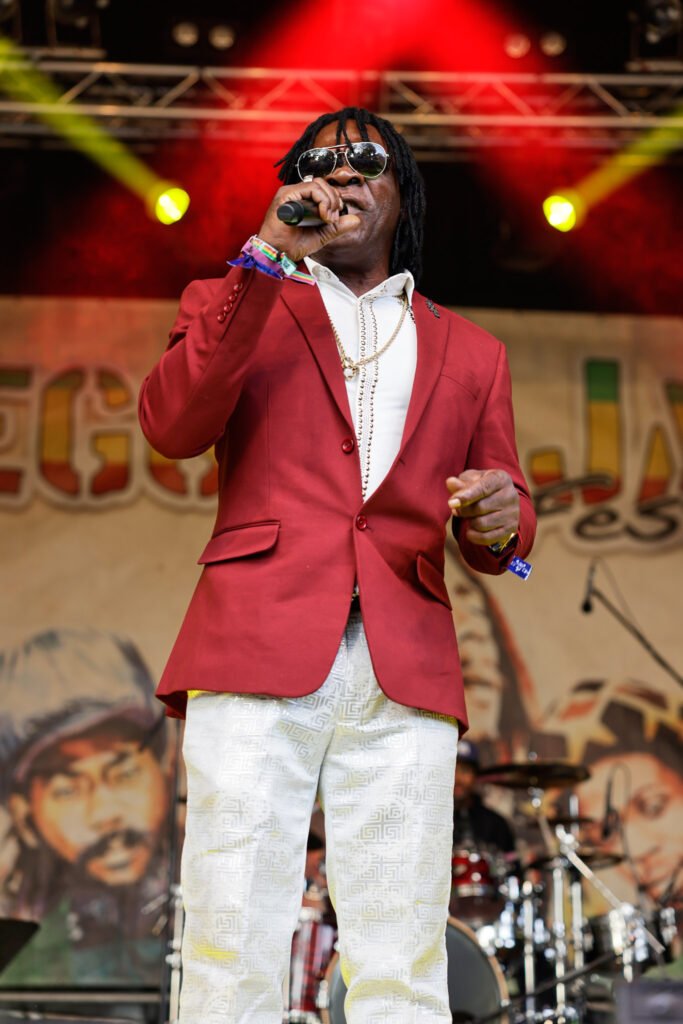
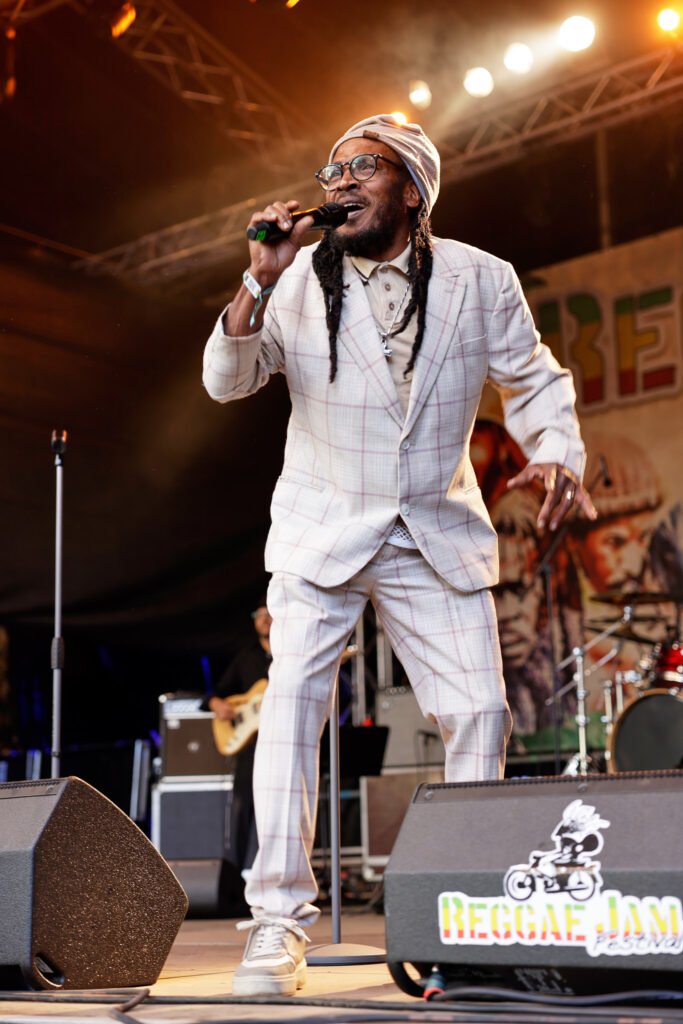
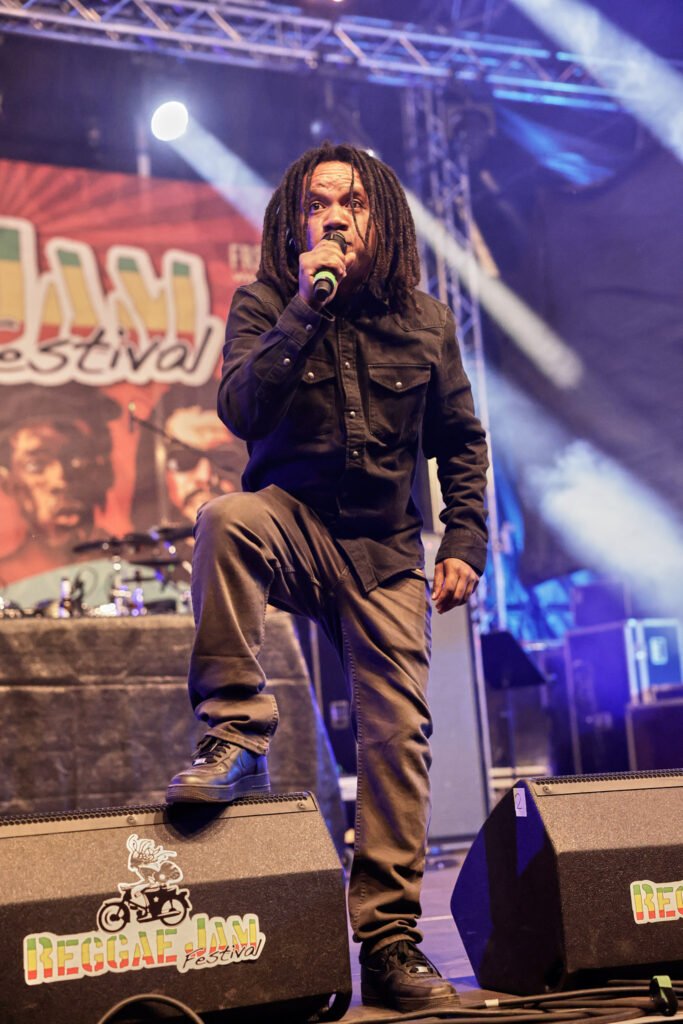
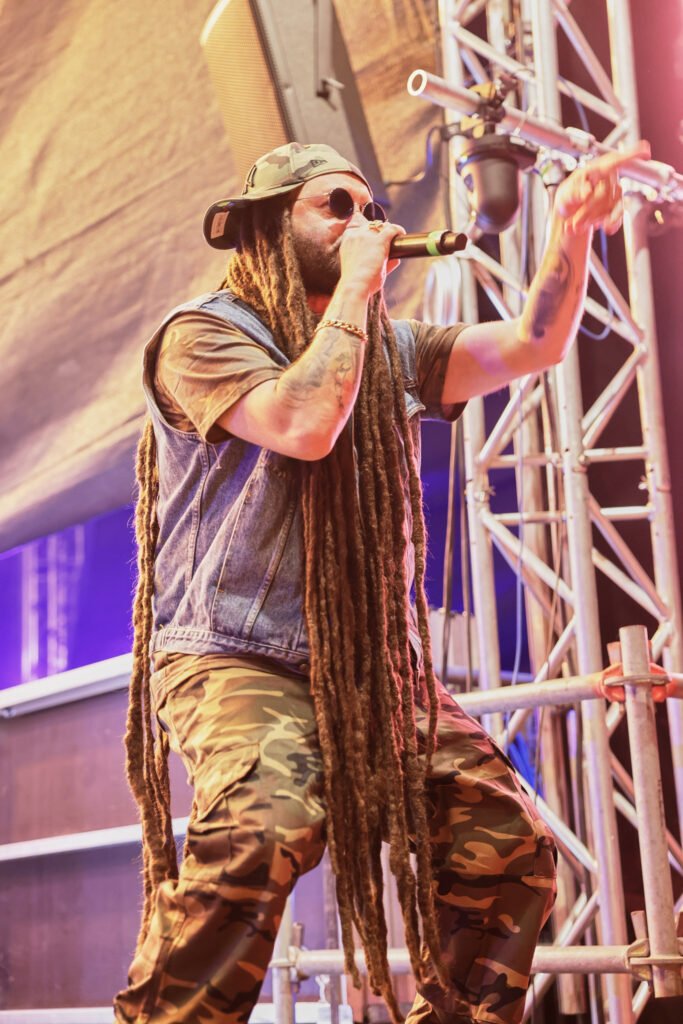
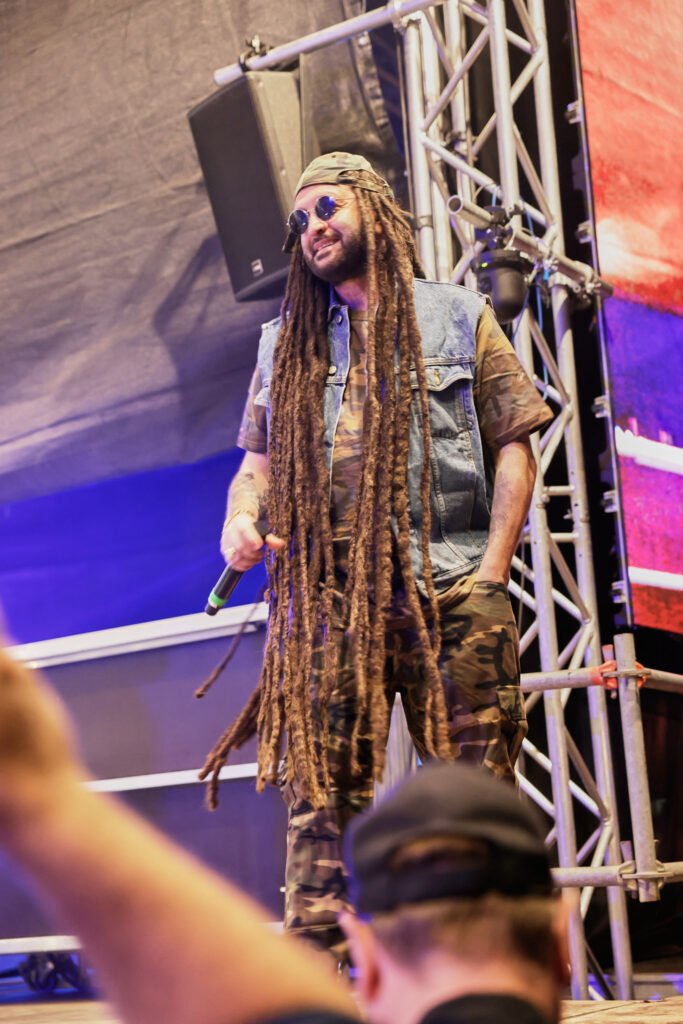
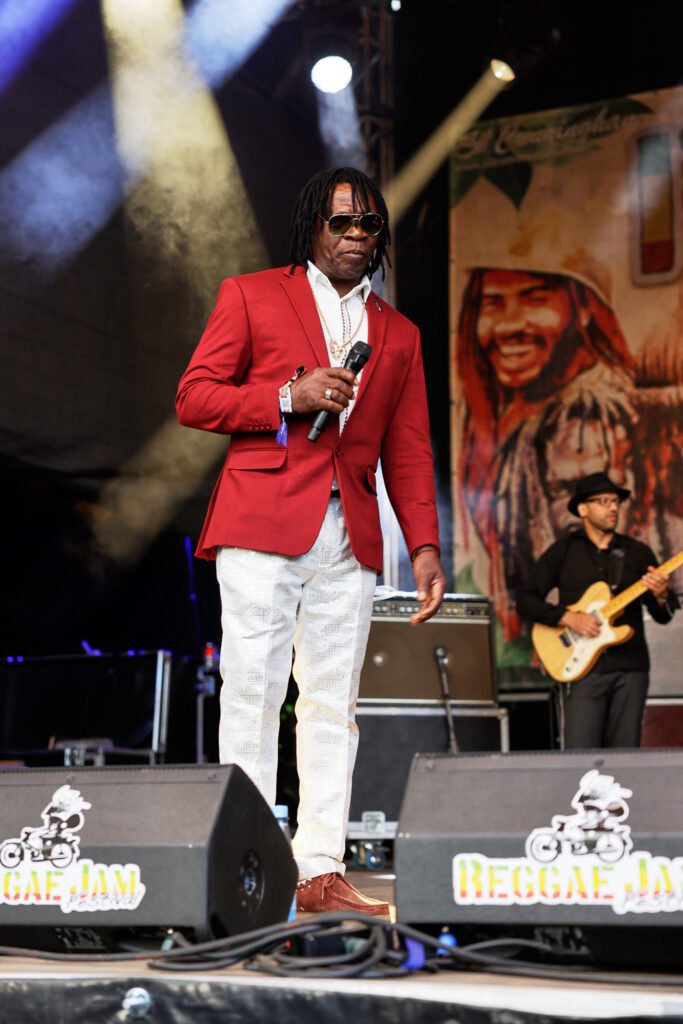
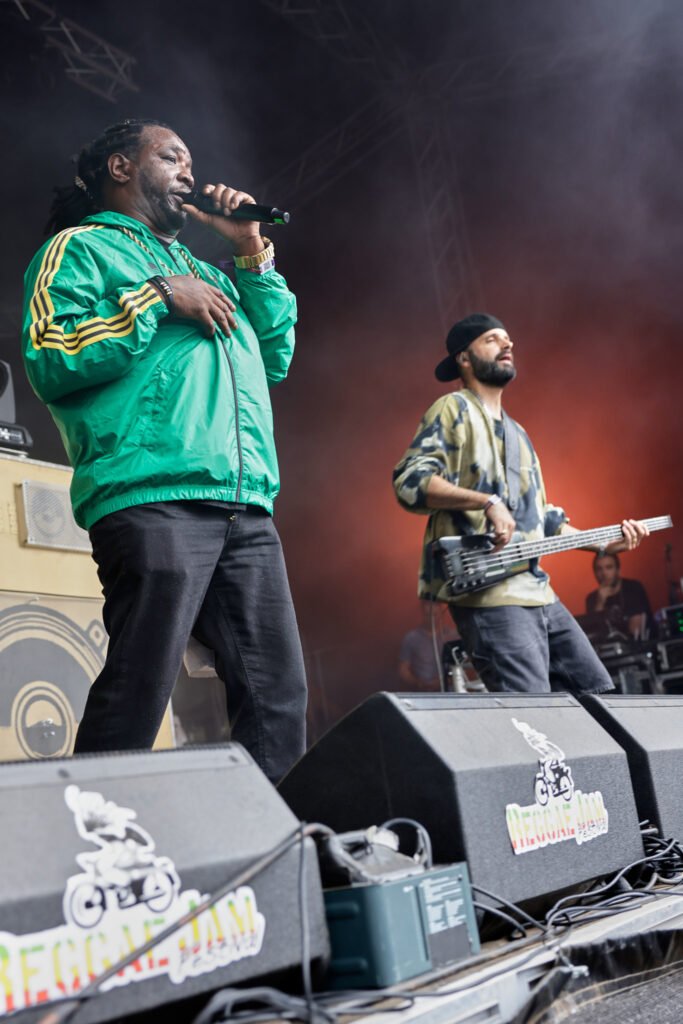
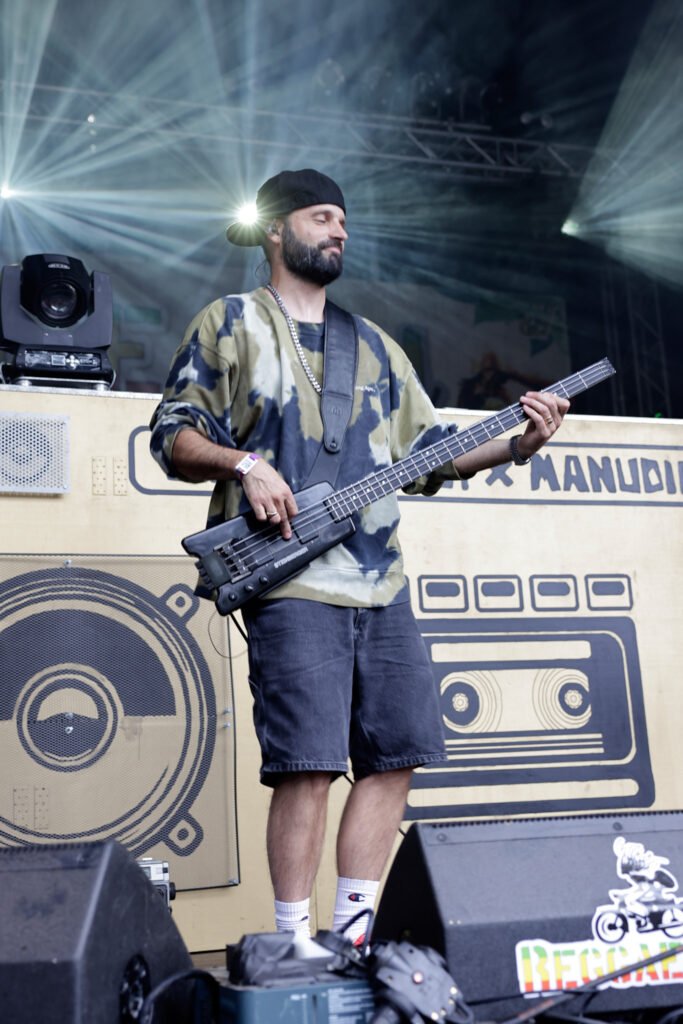
These elements – the vibes, Sheriff, Bersenbrück – take center stage at the Reggae Jam. But of course, the lineup always offers plenty of special treats as well. This year, Singy Singy aka Tarrus Riley takes the spotlight alongside master saxophonist Dean Fraser and the Blak Soil Band. And right before that: Alborosie with his Shengen Clan. Both acts once again highlight the importance of the players of instruments. Before that, King Kong brings the ’80s dancehall era back to life. Those are my Friday highlights.
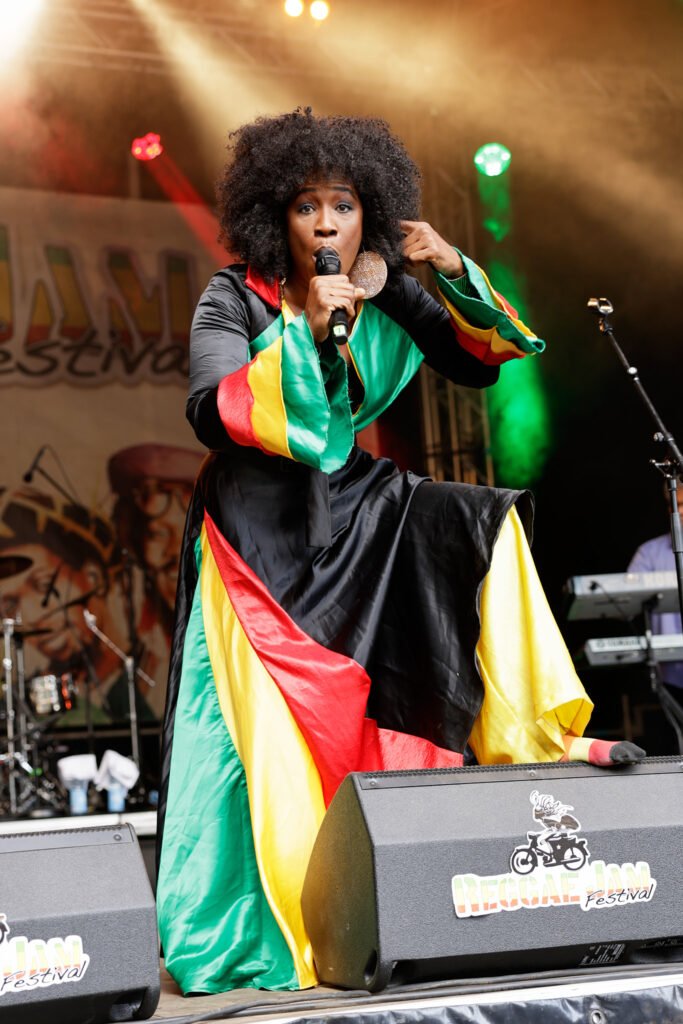
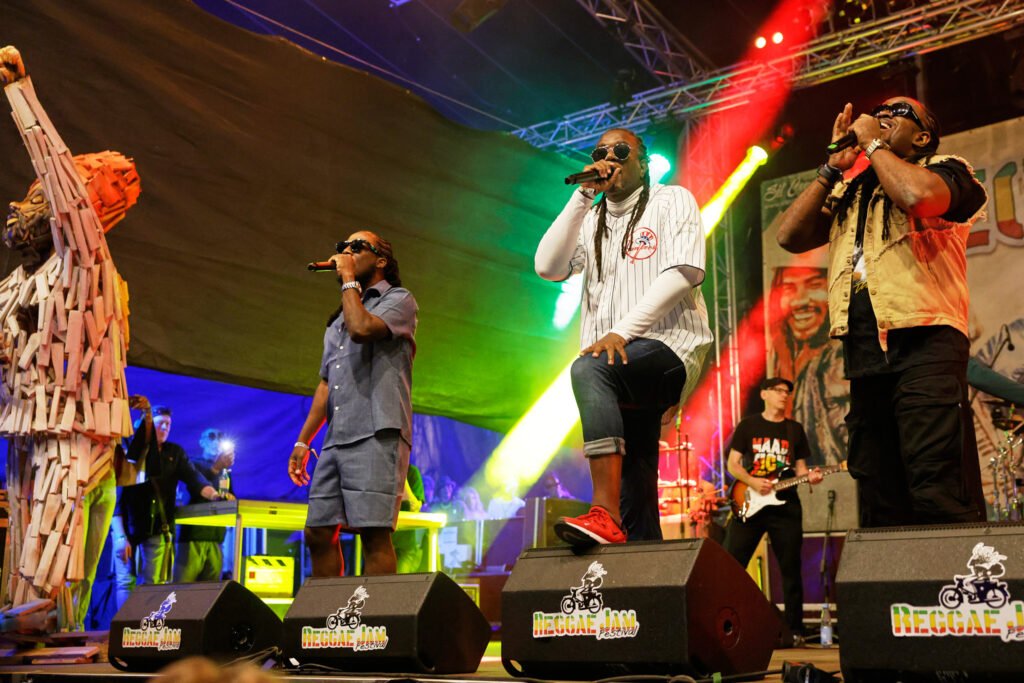
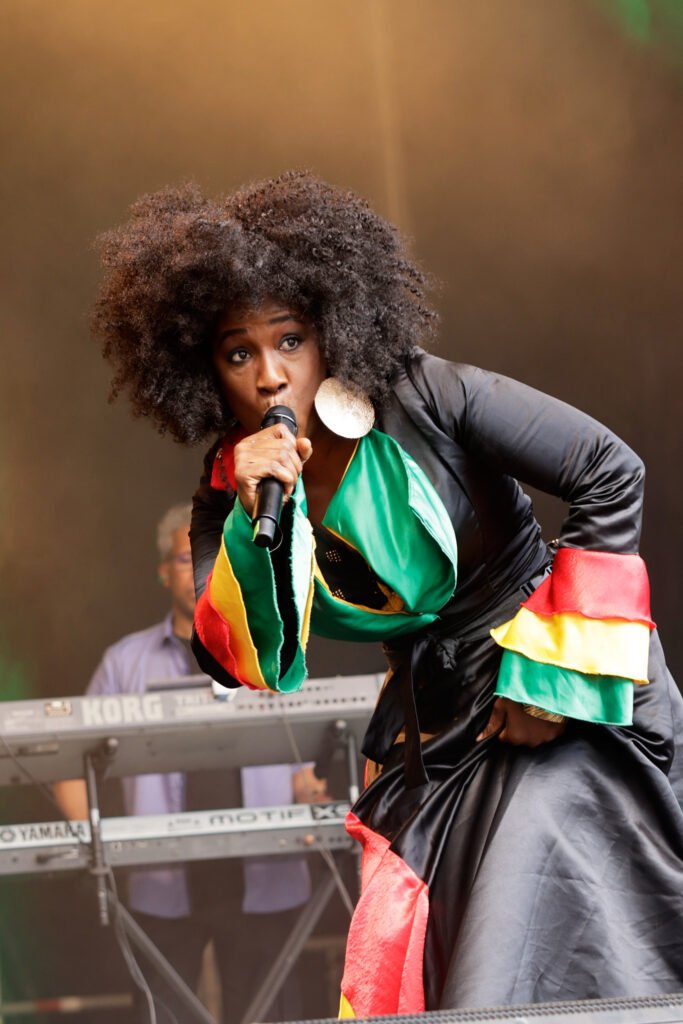
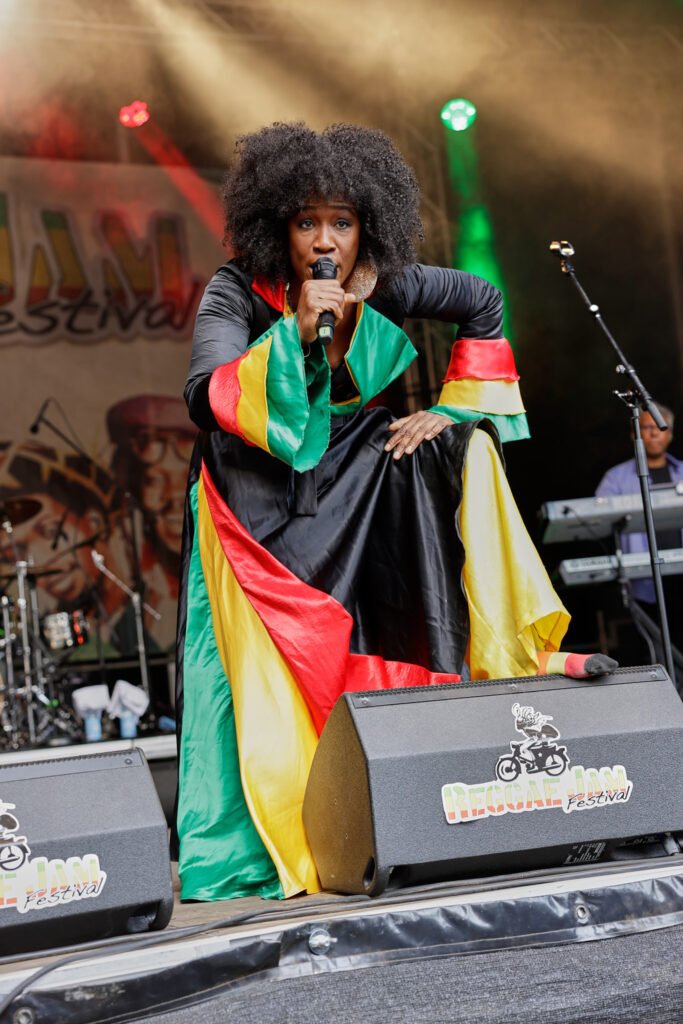
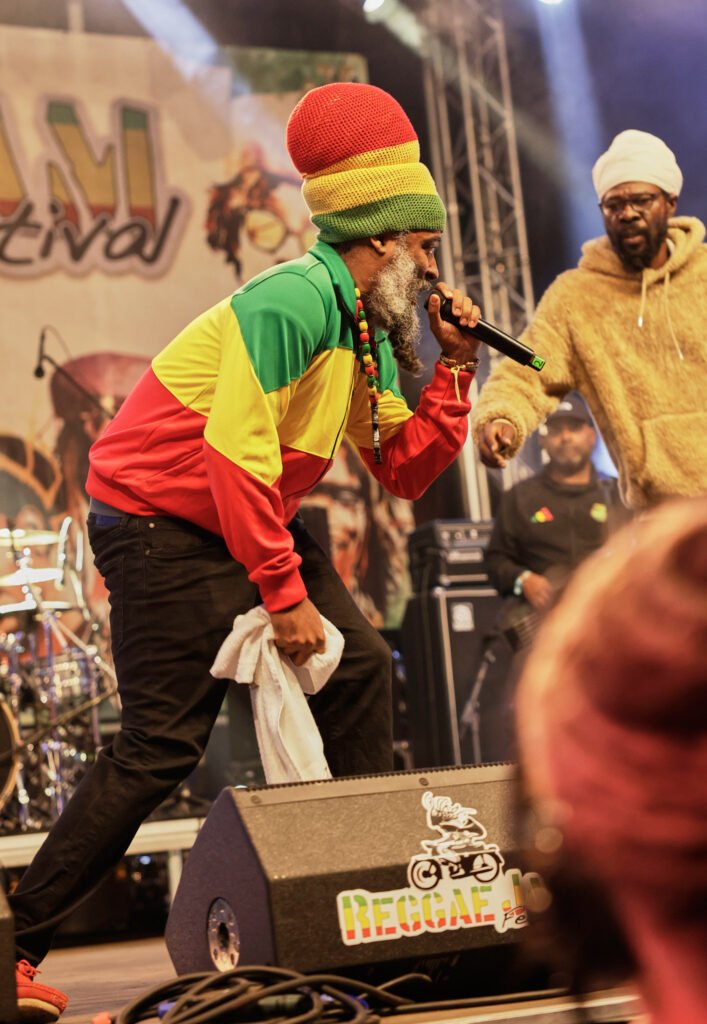
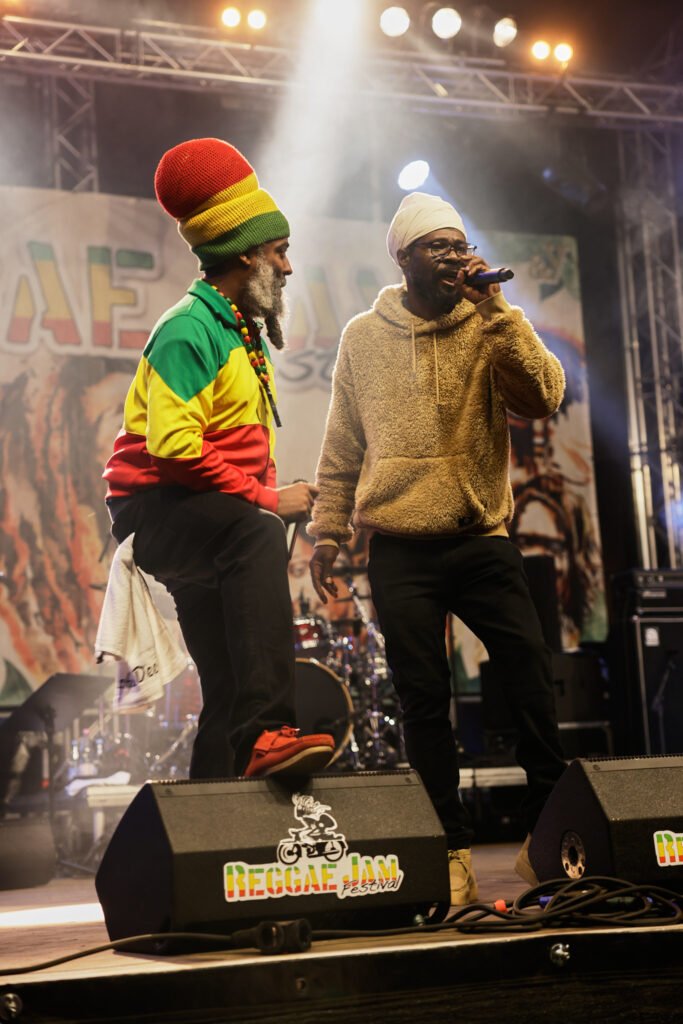
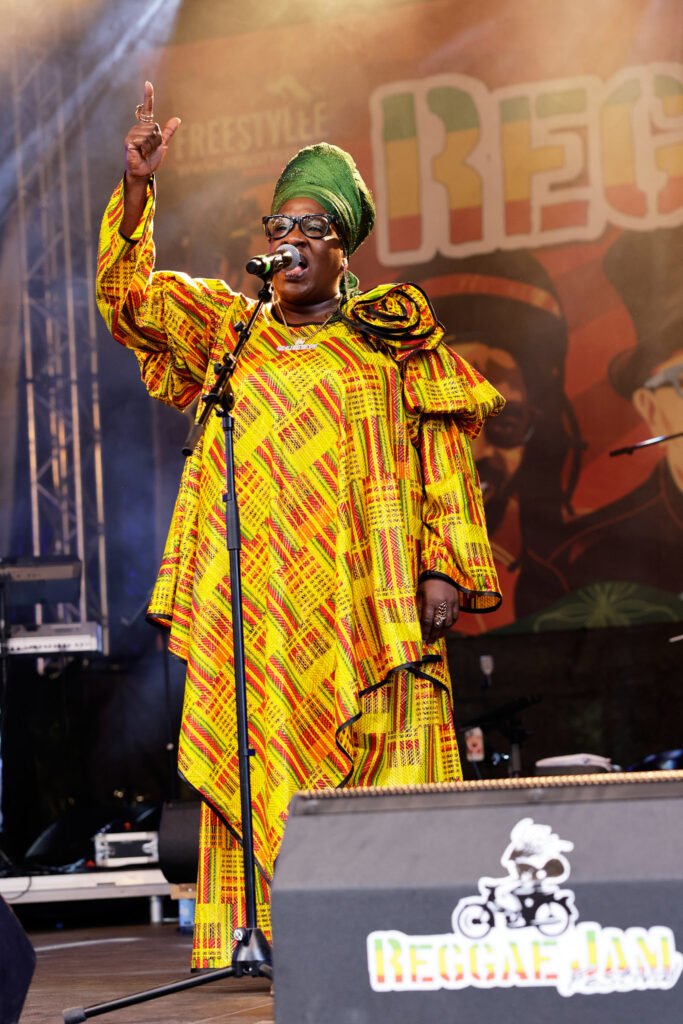
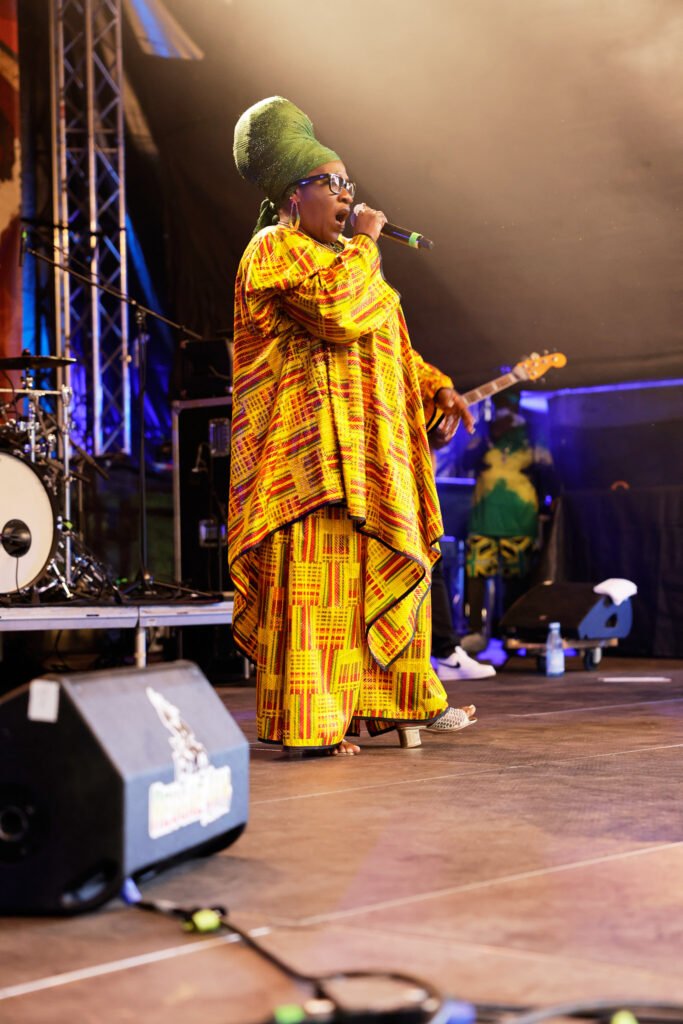
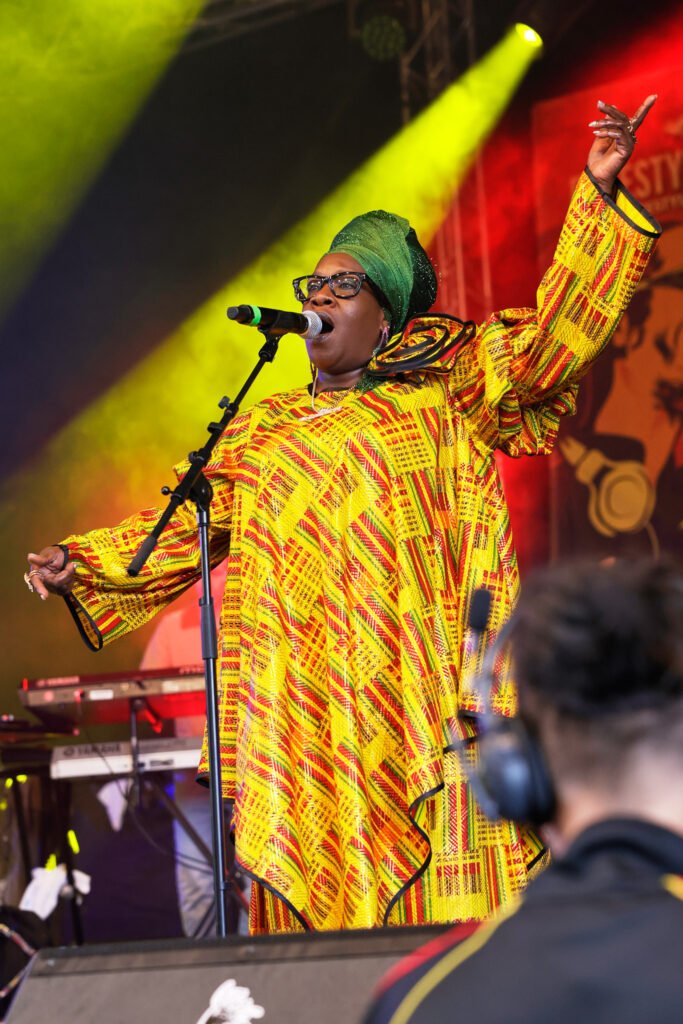
On Saturday, it’s above all the expressive Italee who, with her presence alone, can easily command the biggest stages. Seeing the Jamaican boy group T.O.K. back together on stage is pure nostalgia. With this, Sheriff pulls off a coup that many had been eagerly anticipating. Personally, I was looking forward to seeing the producer and ‘T.O.K.’s longtime manager, Richard “Shams” Browne, a member of the famous Browne clan. Thanks to his brother-in-law, our Kingston taxi driver Pablo (R.I.P.), we once ended up at their dinner table by chance.
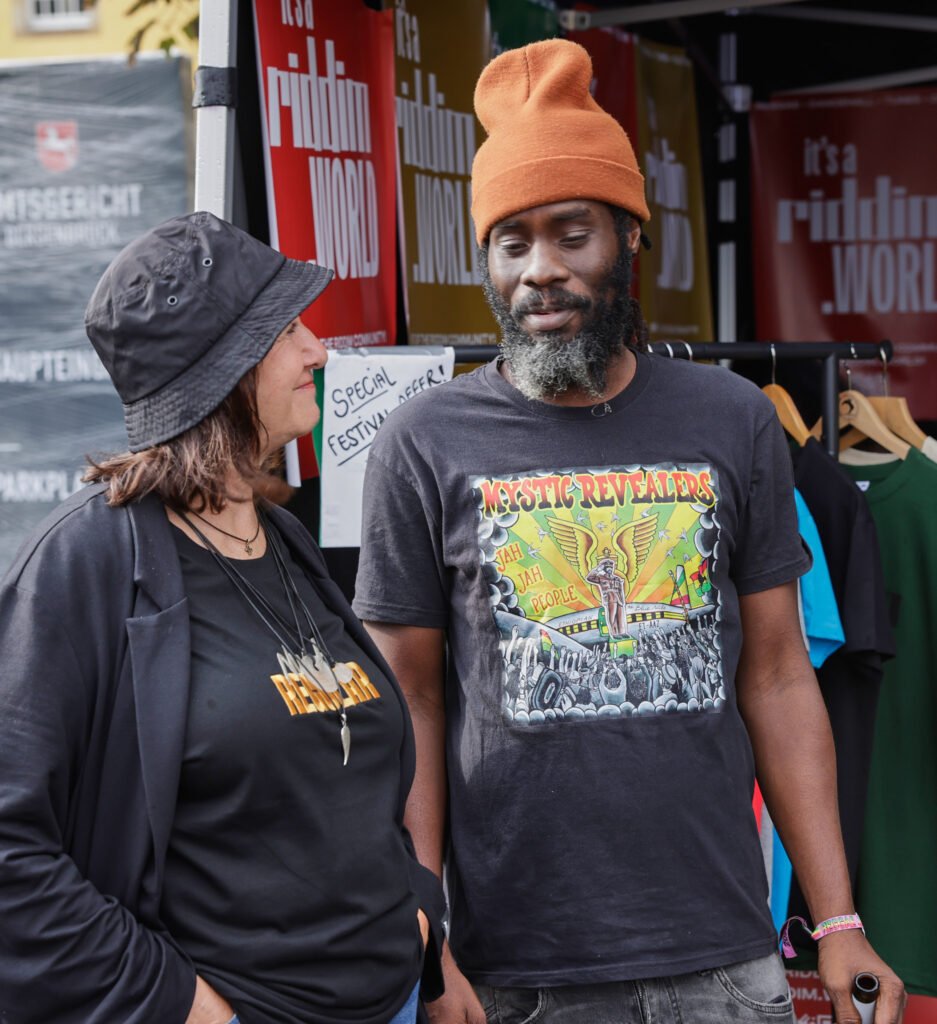
On Sunday, amid a light rain, I groove to the loud and impressive players of instruments from Dubarise, soak up the roots reggae from the Mystic Revealers, and, above all, celebrate the Female Showcase organized by the energetic Samora, featuring Ammoye, Yeza, and Zoe Mazah. Later on, no one can escape the dominance of Queen Omega. There’s still room for growth when it comes to women behind the decks.
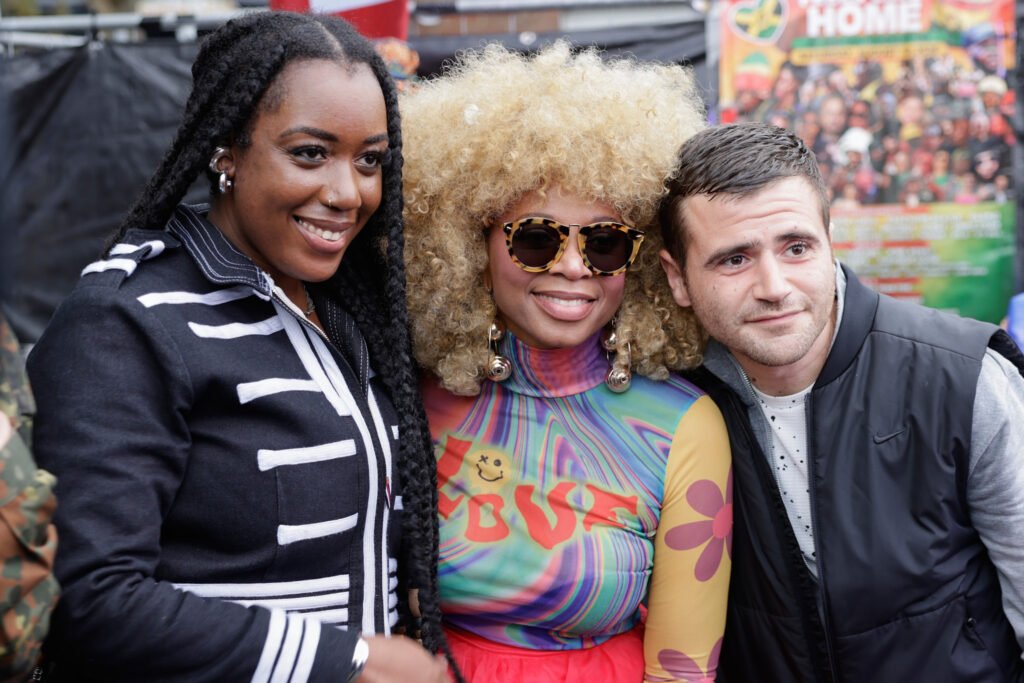
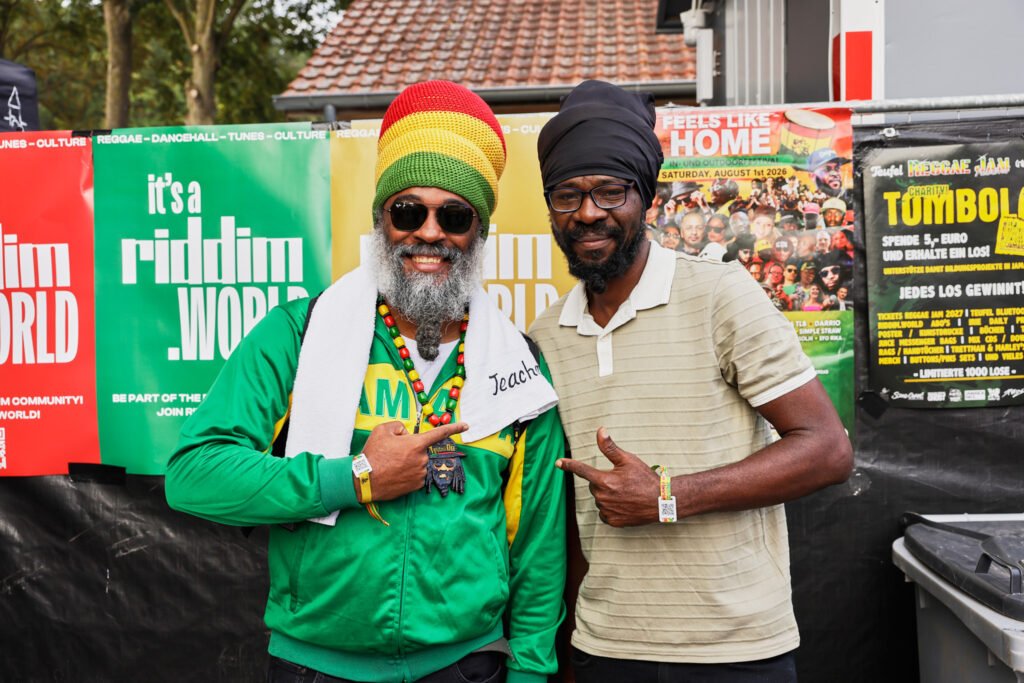
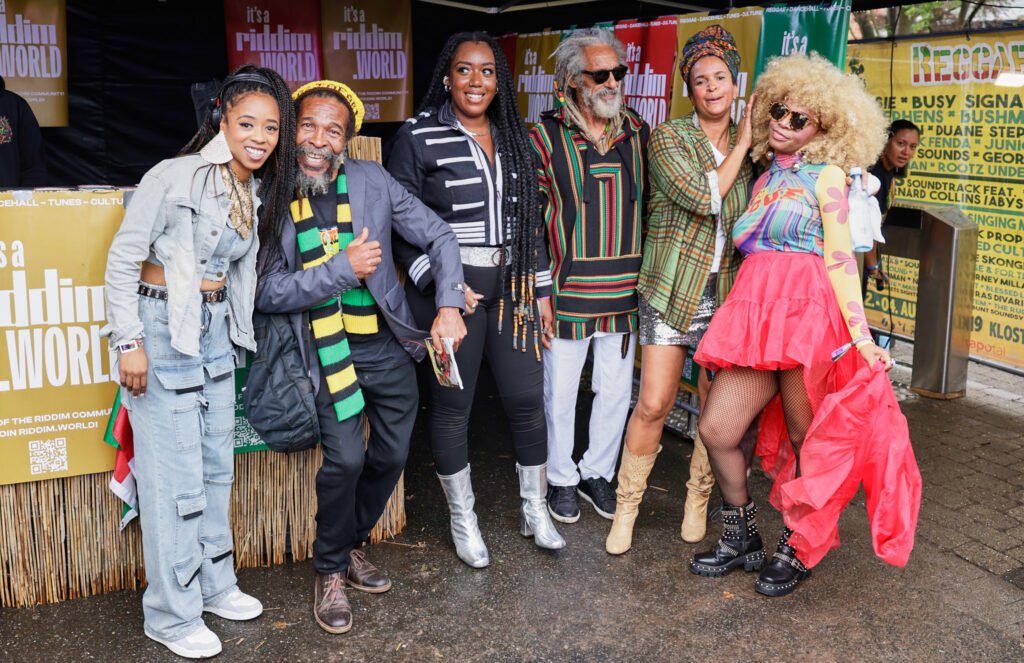
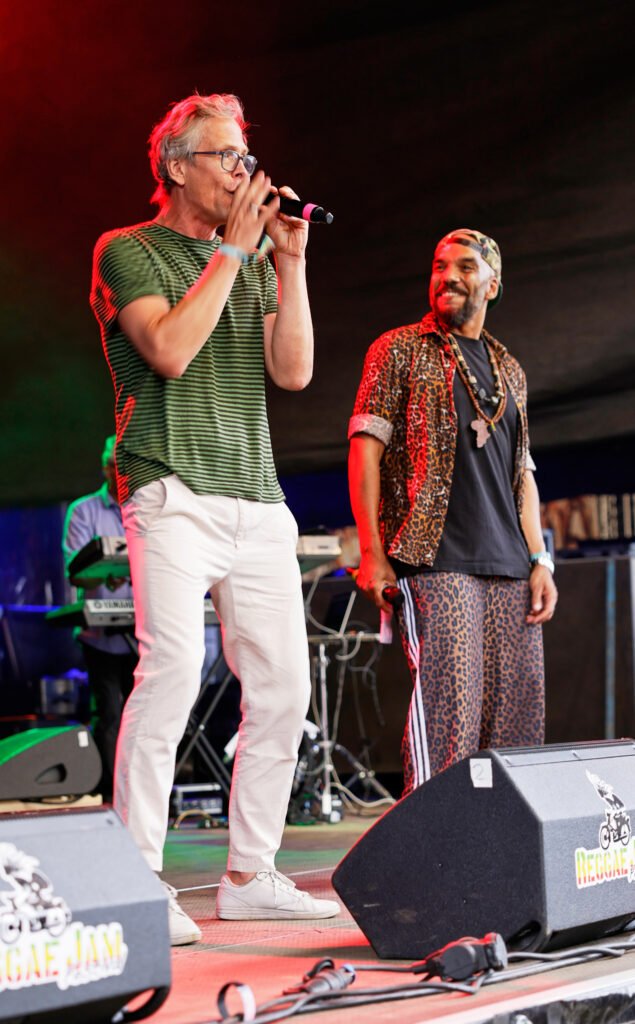
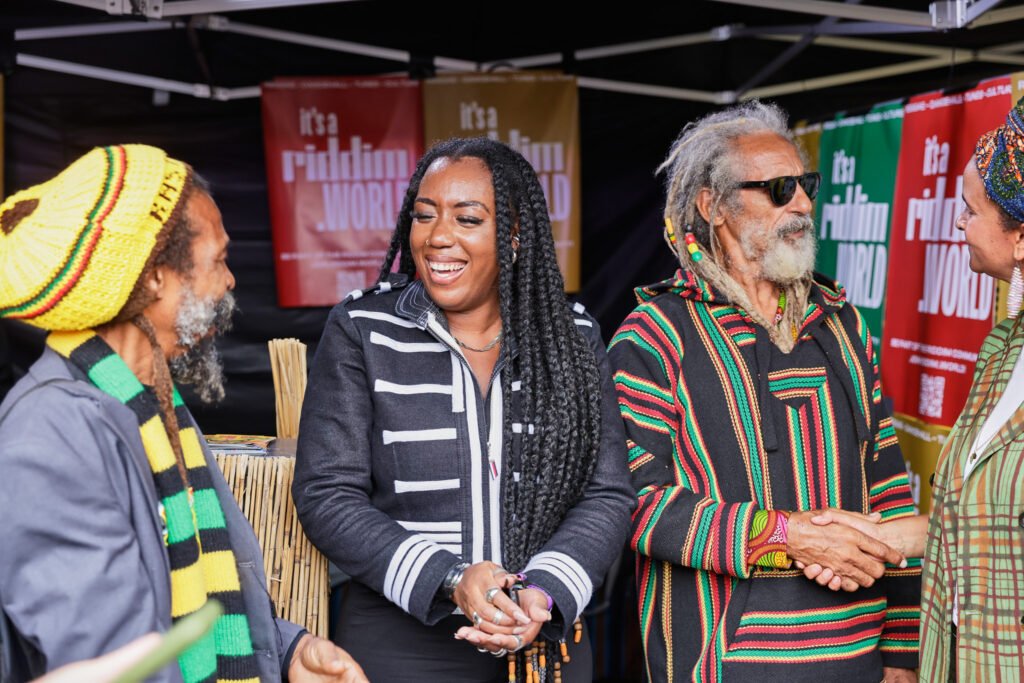
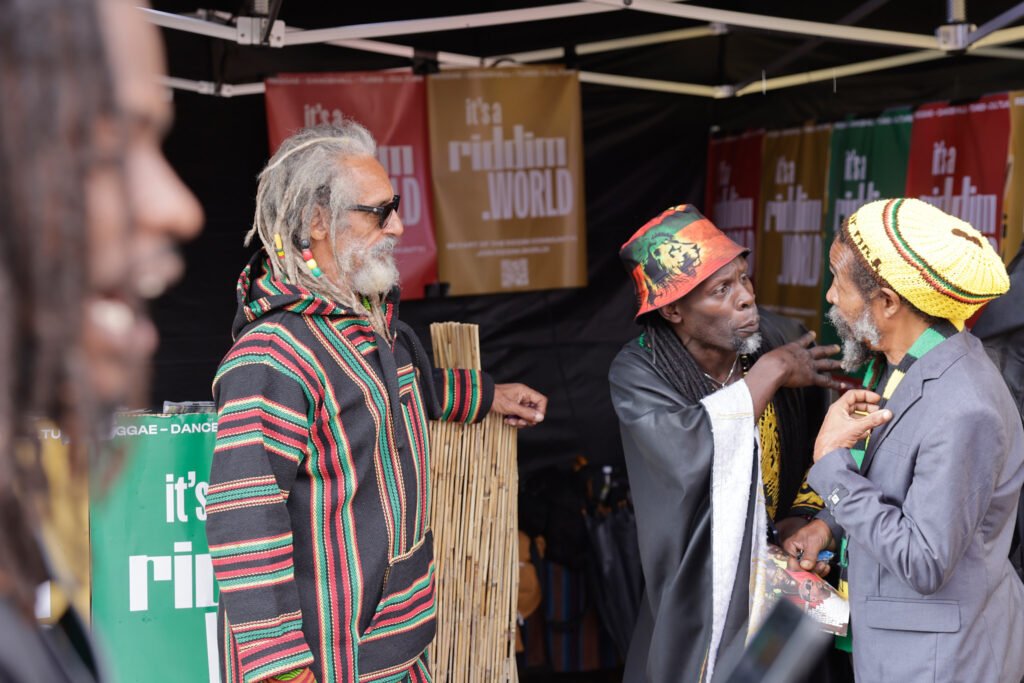
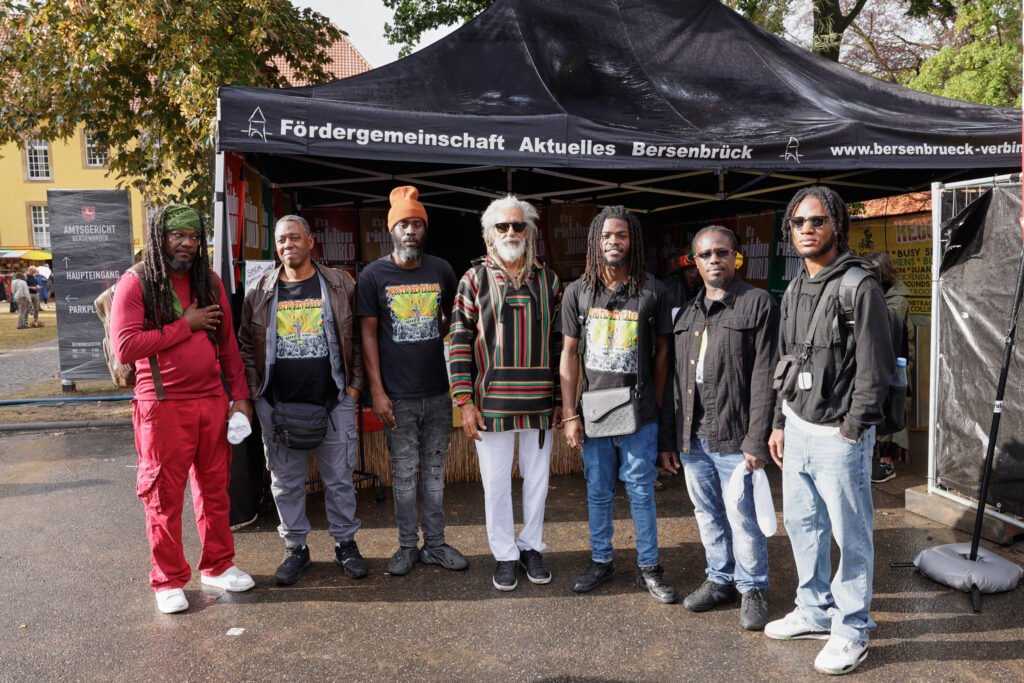
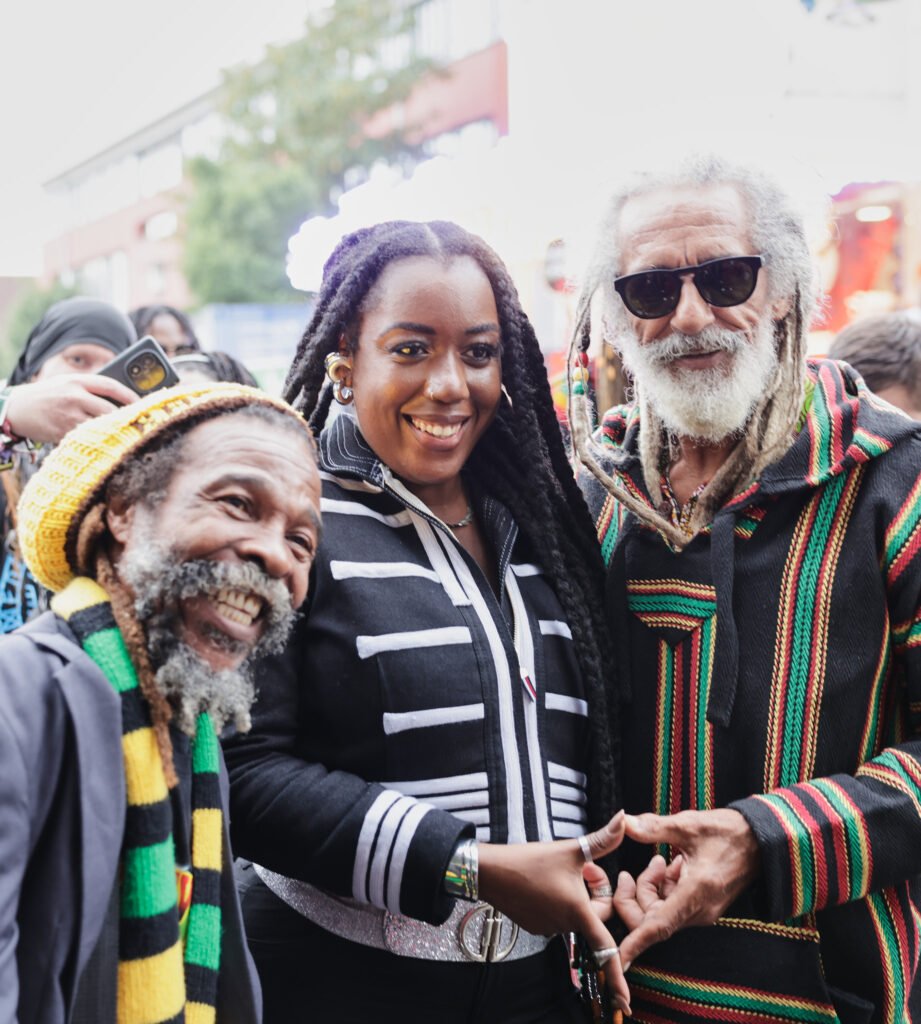
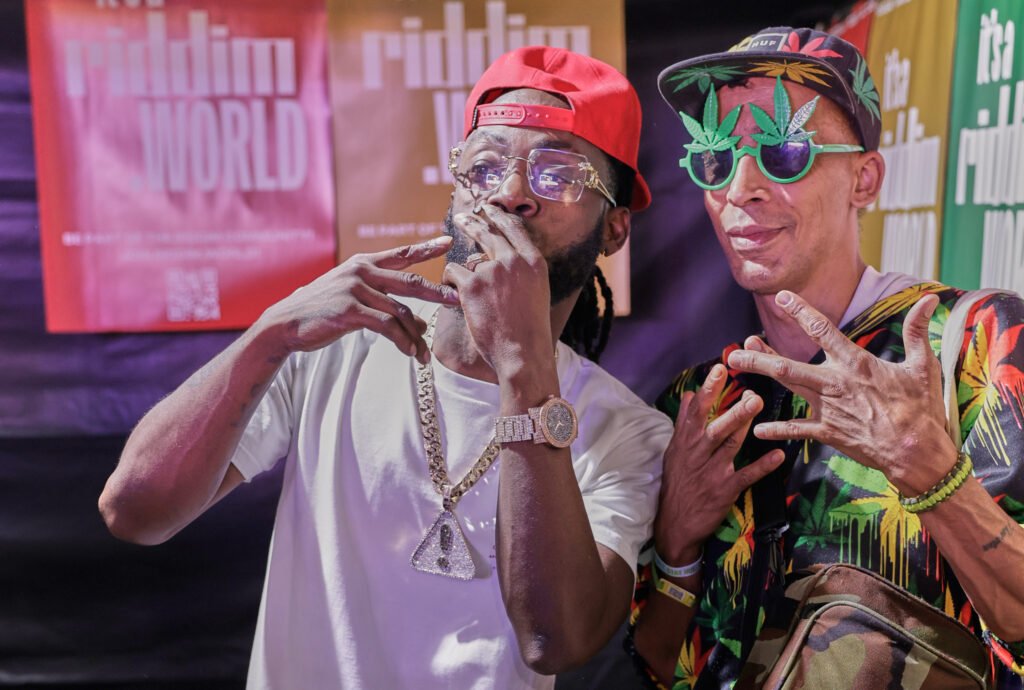
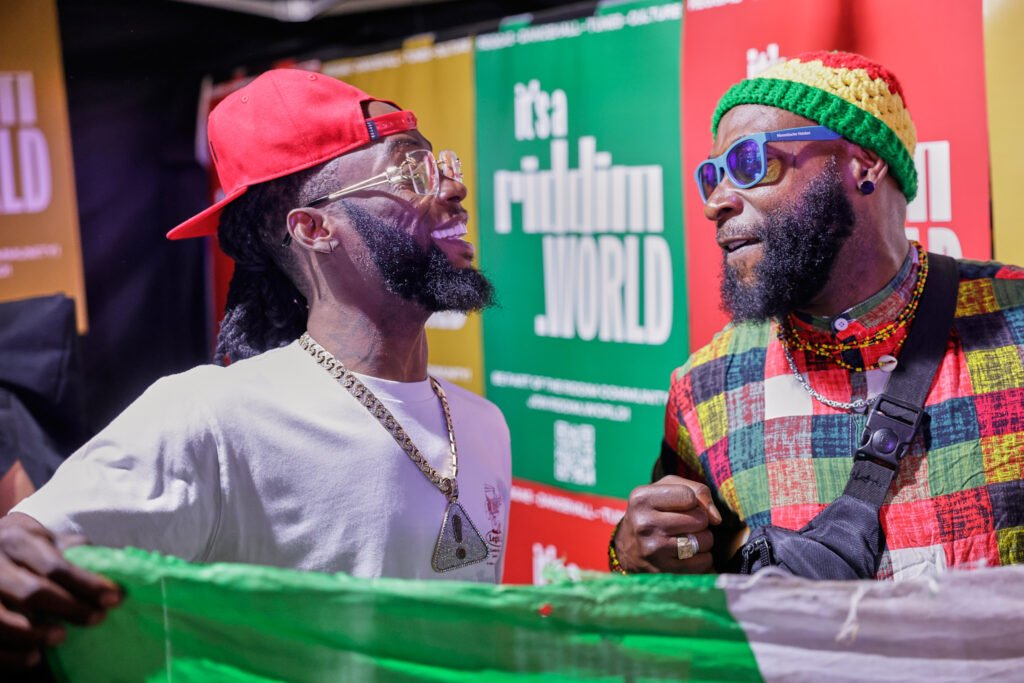
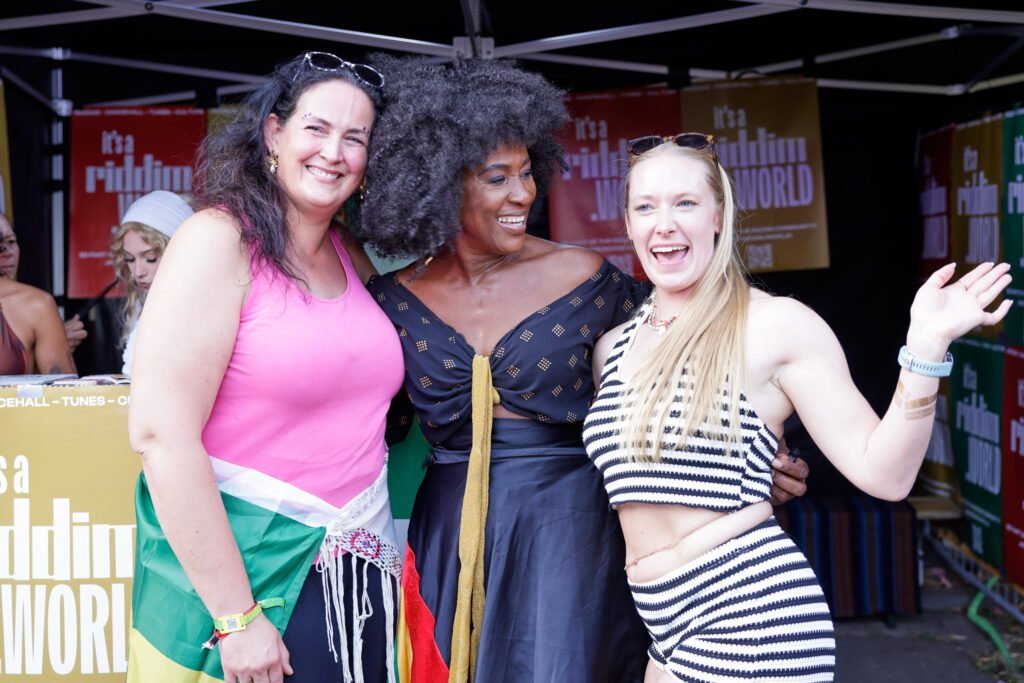
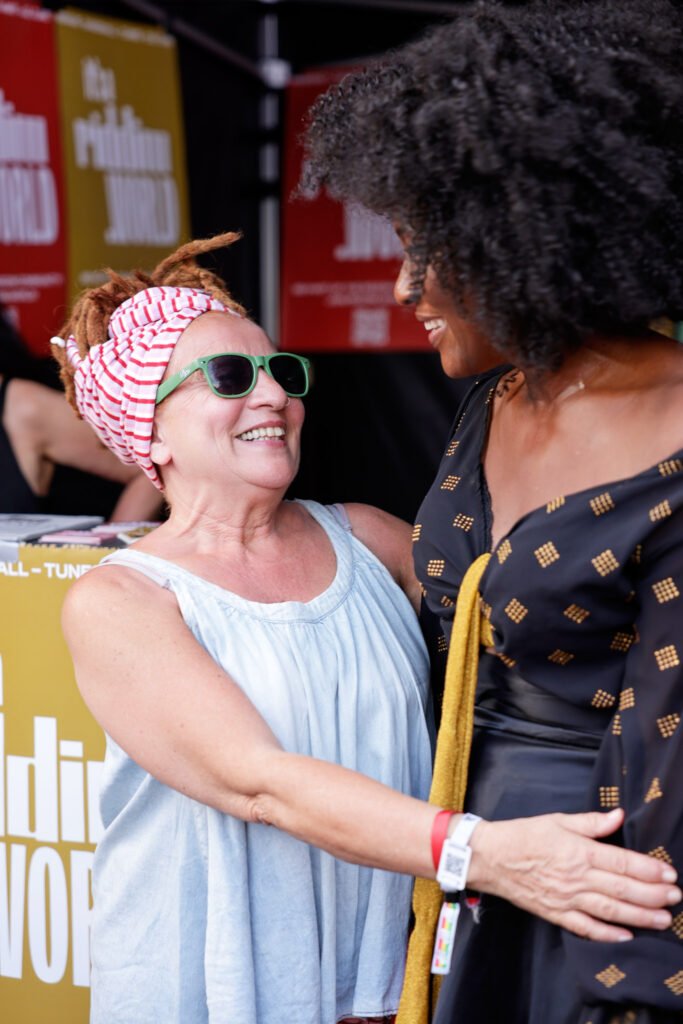
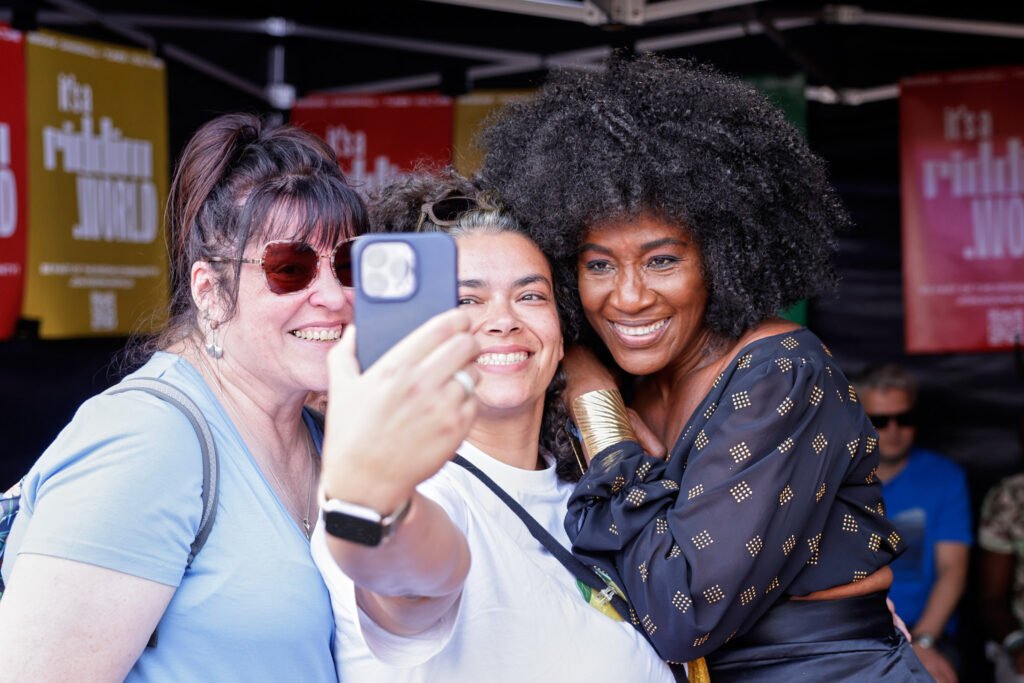
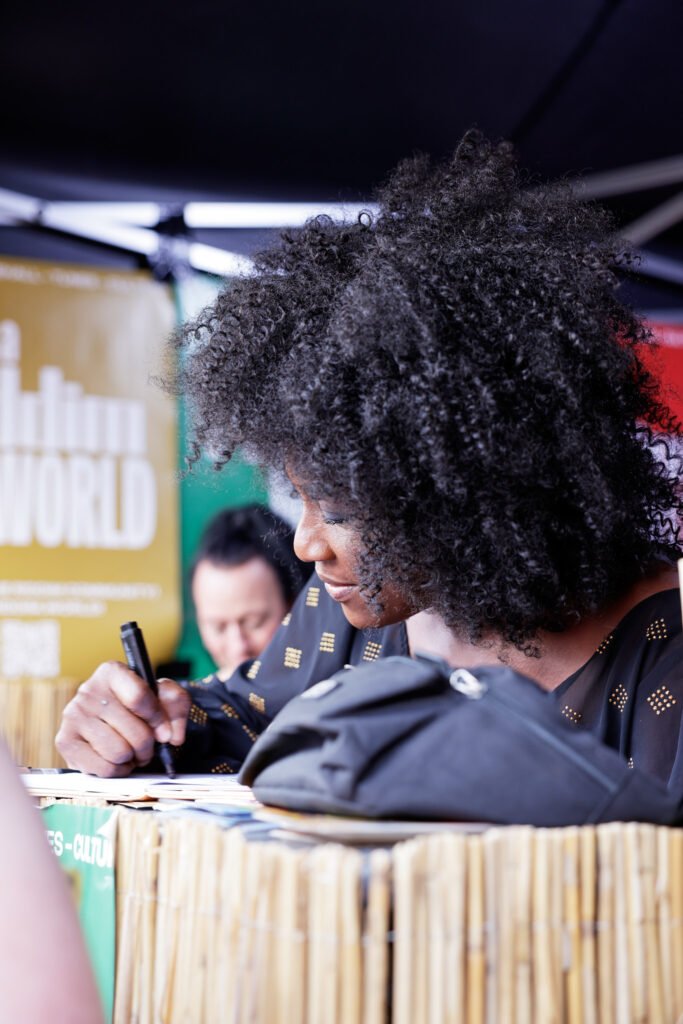
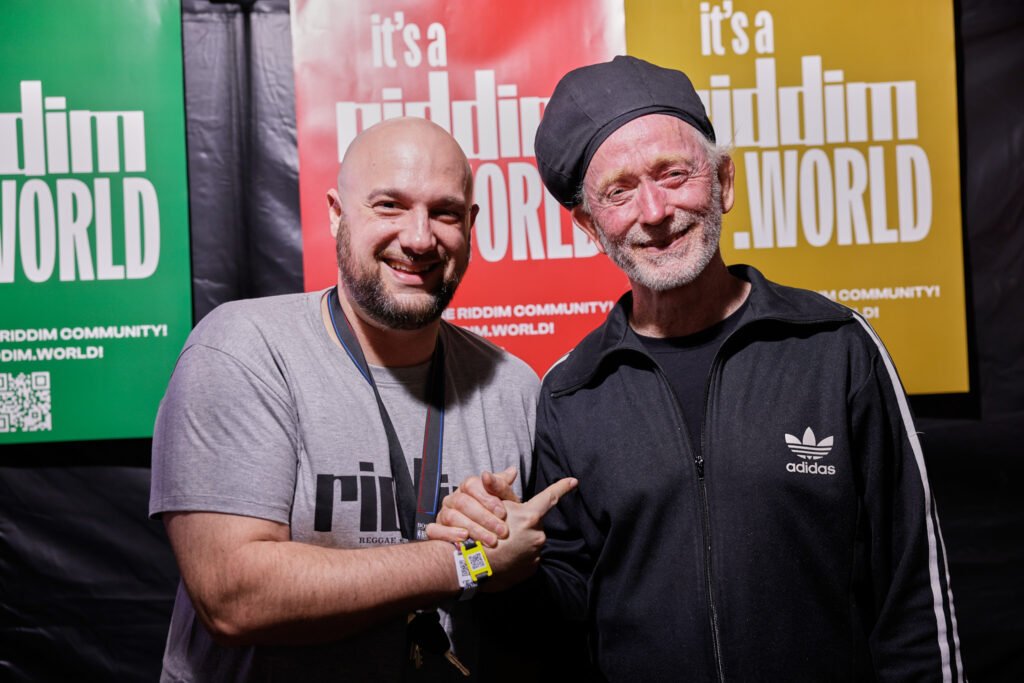
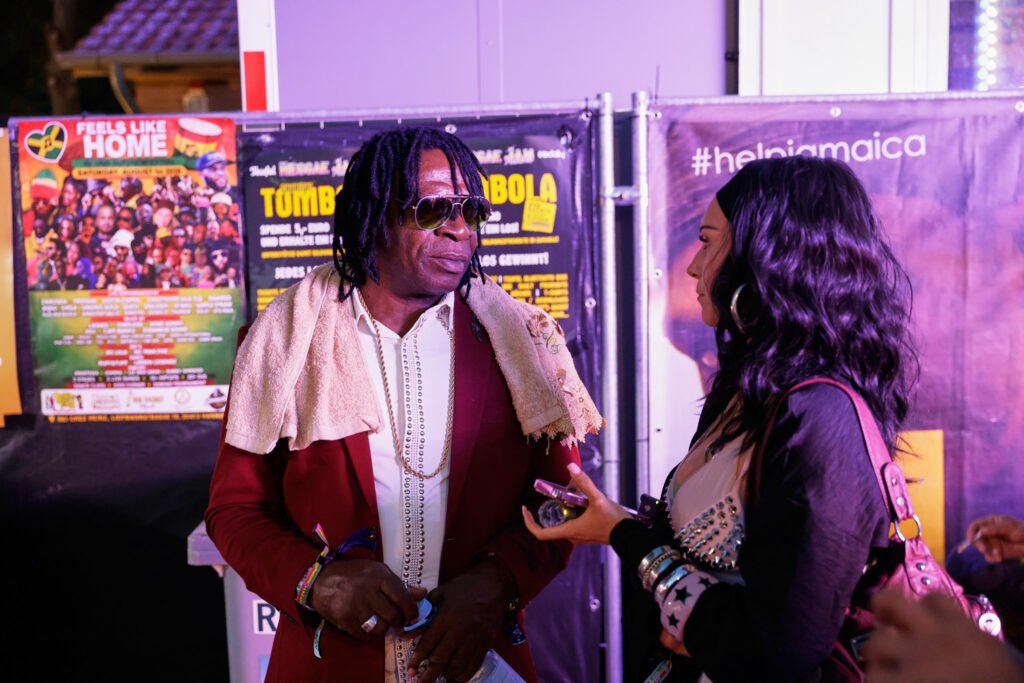
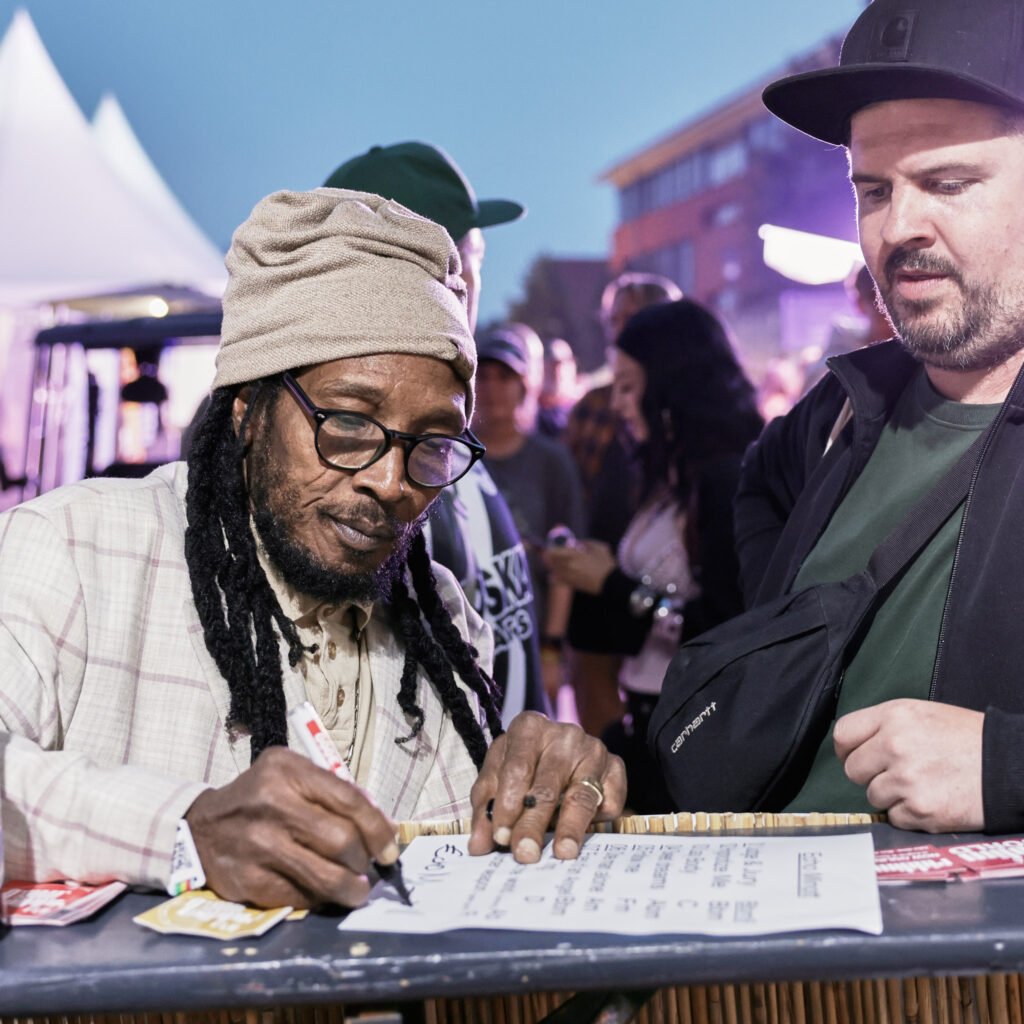
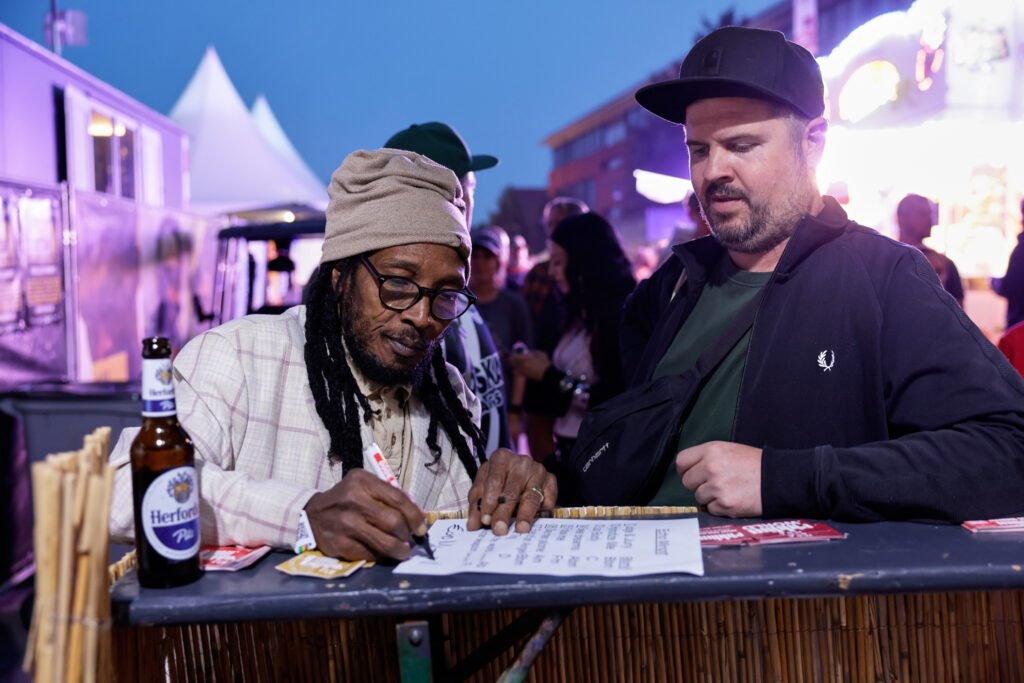
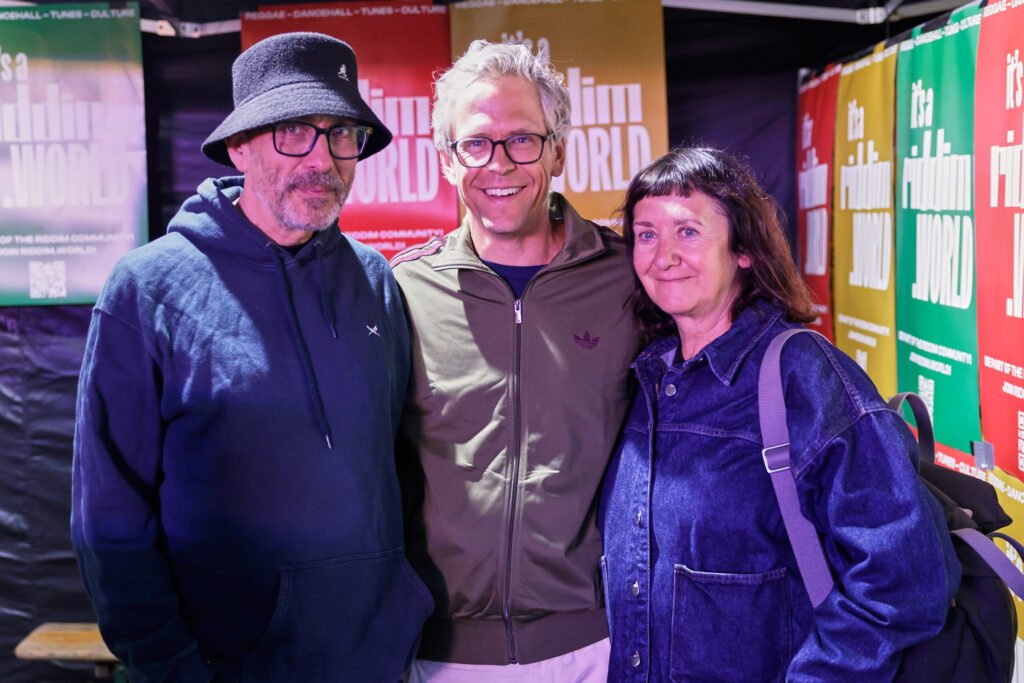
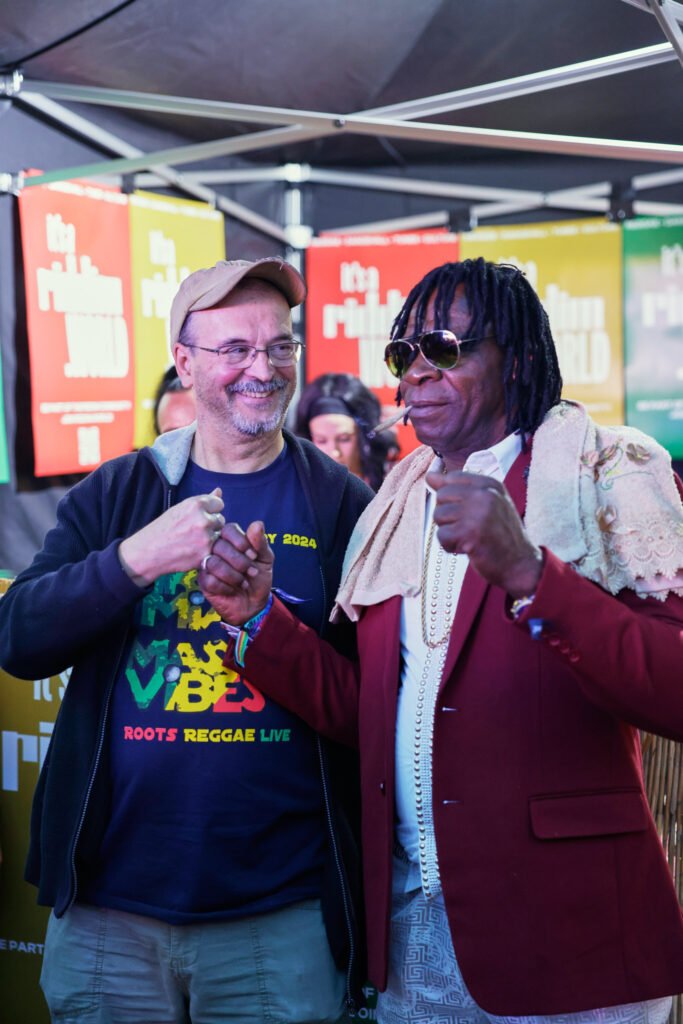
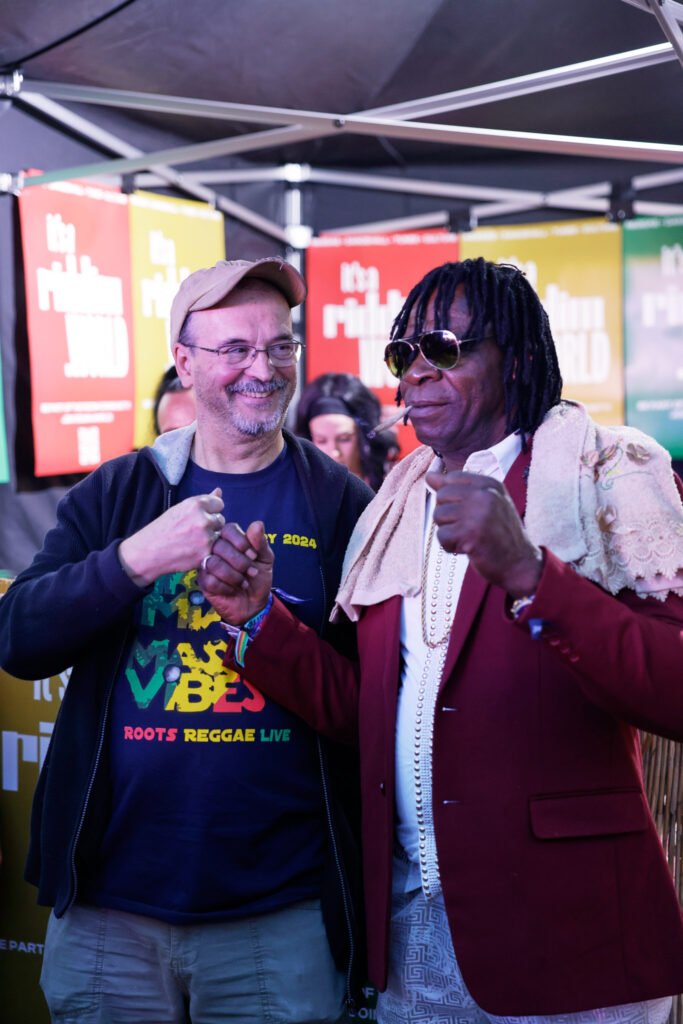
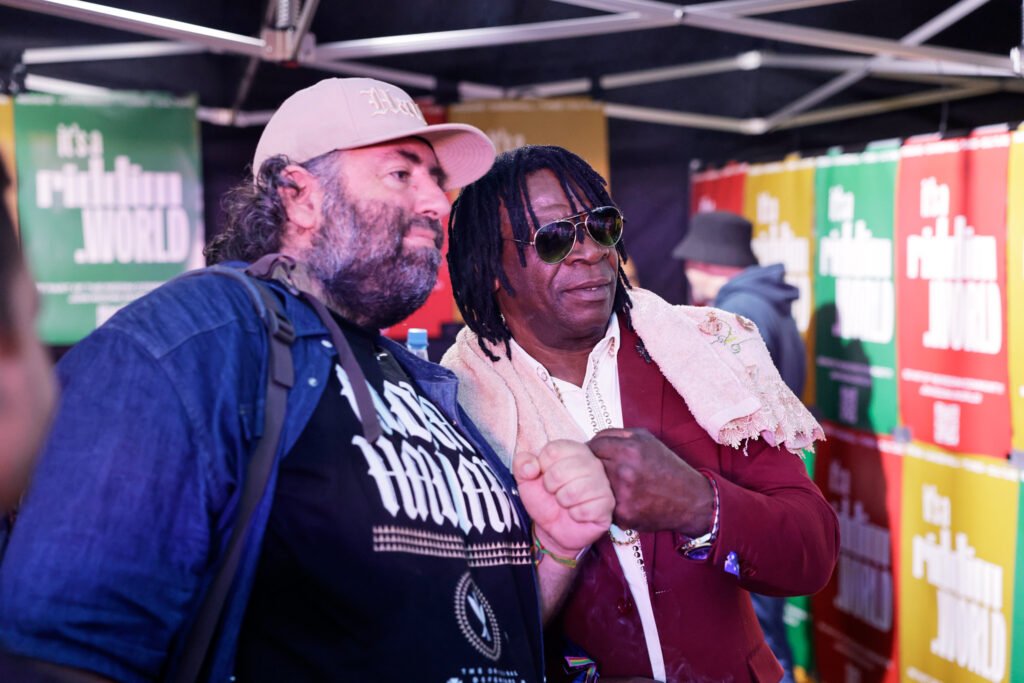
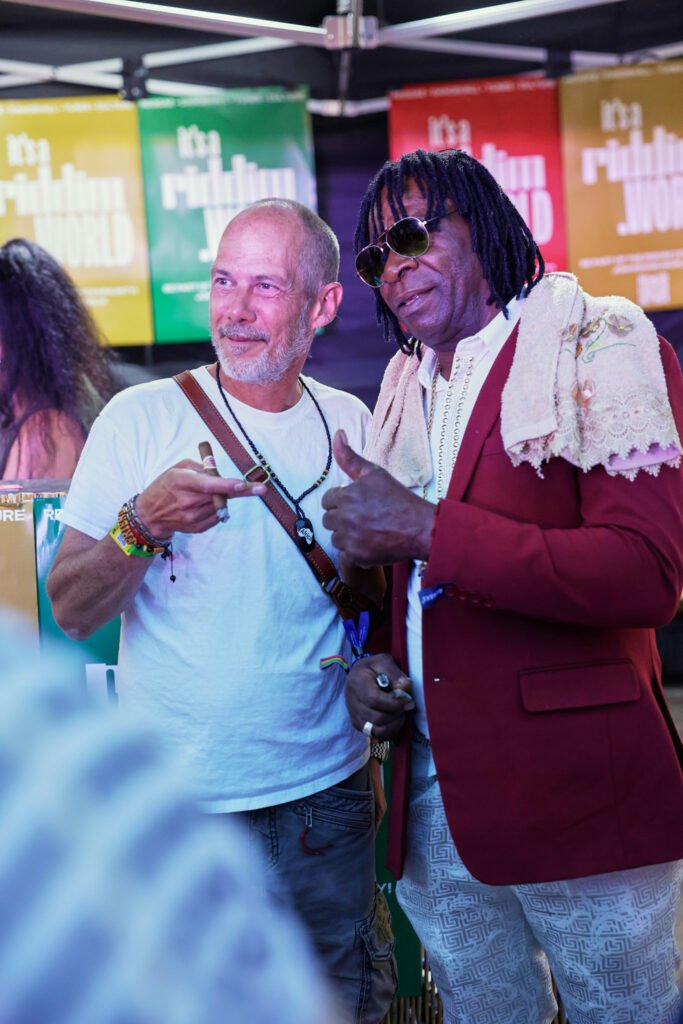
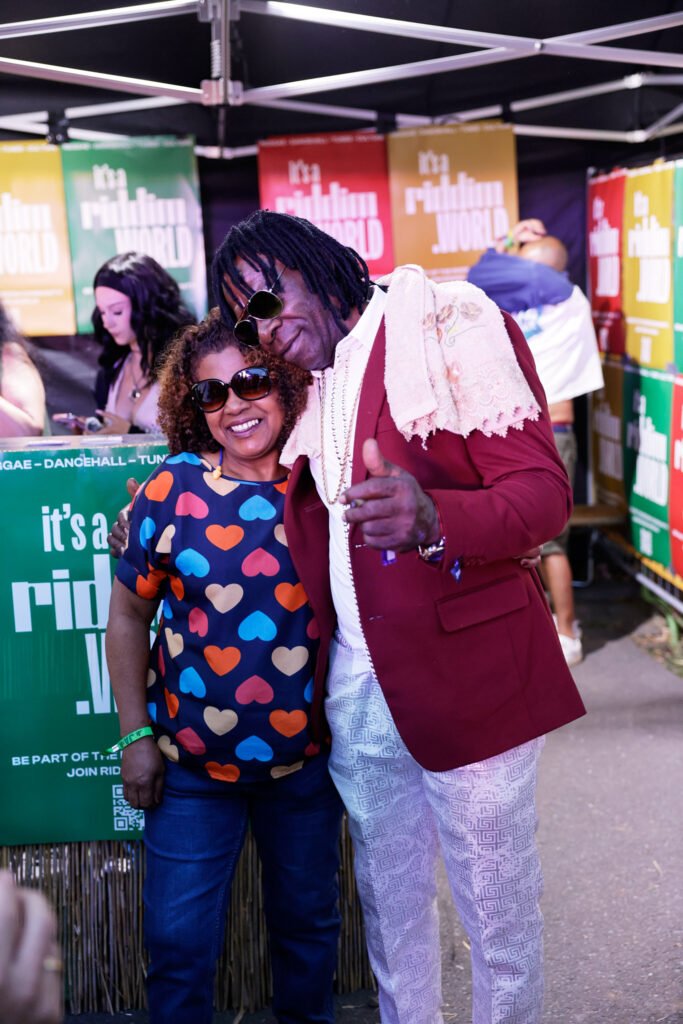
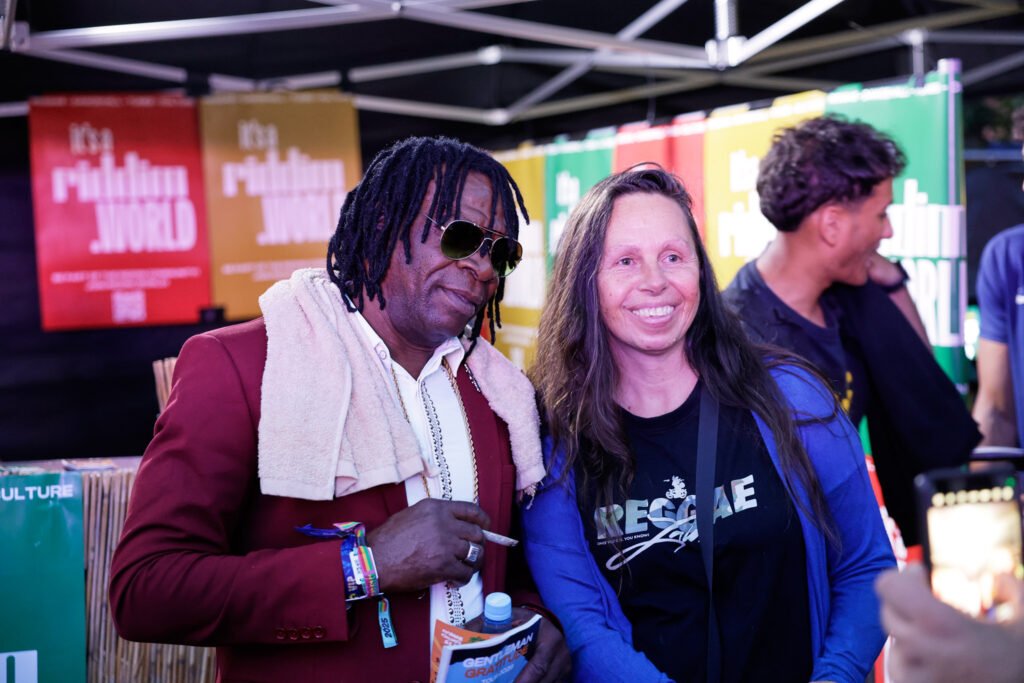
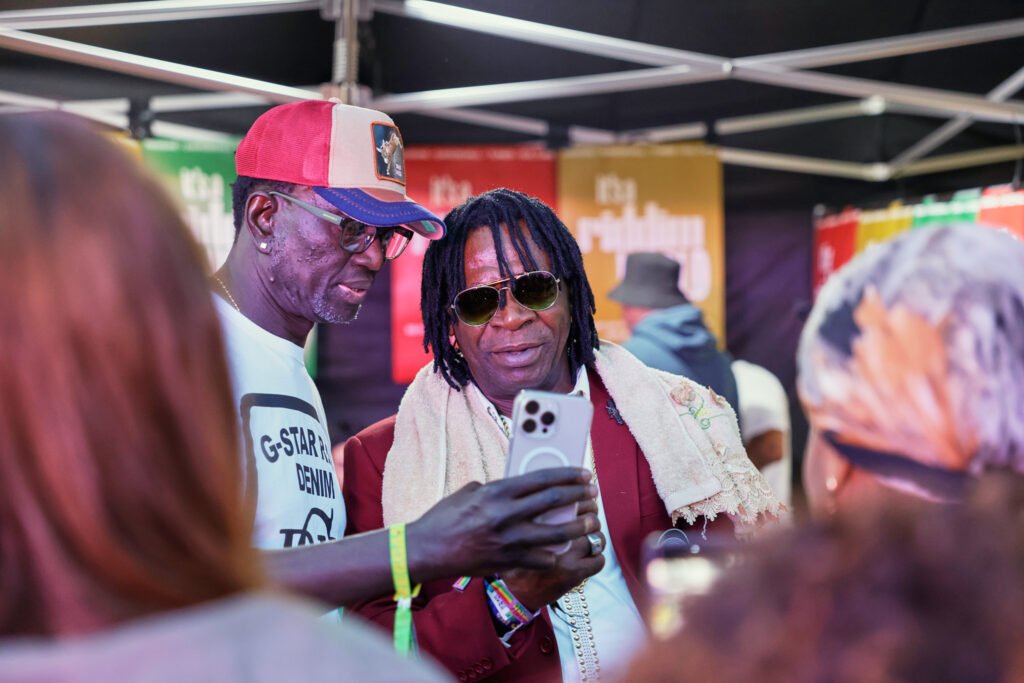
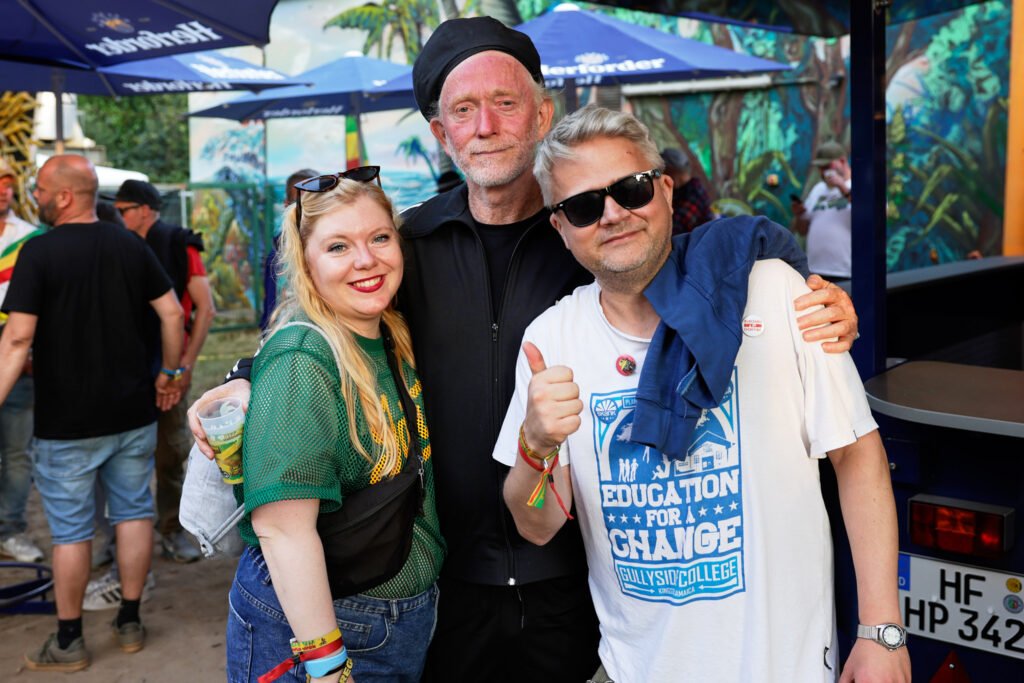
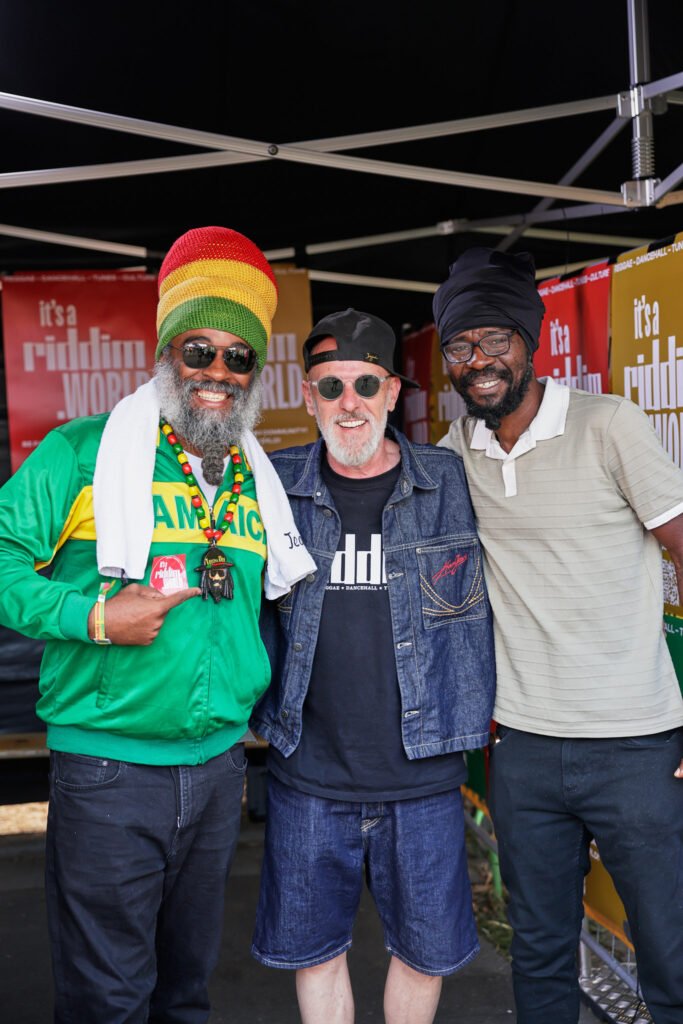
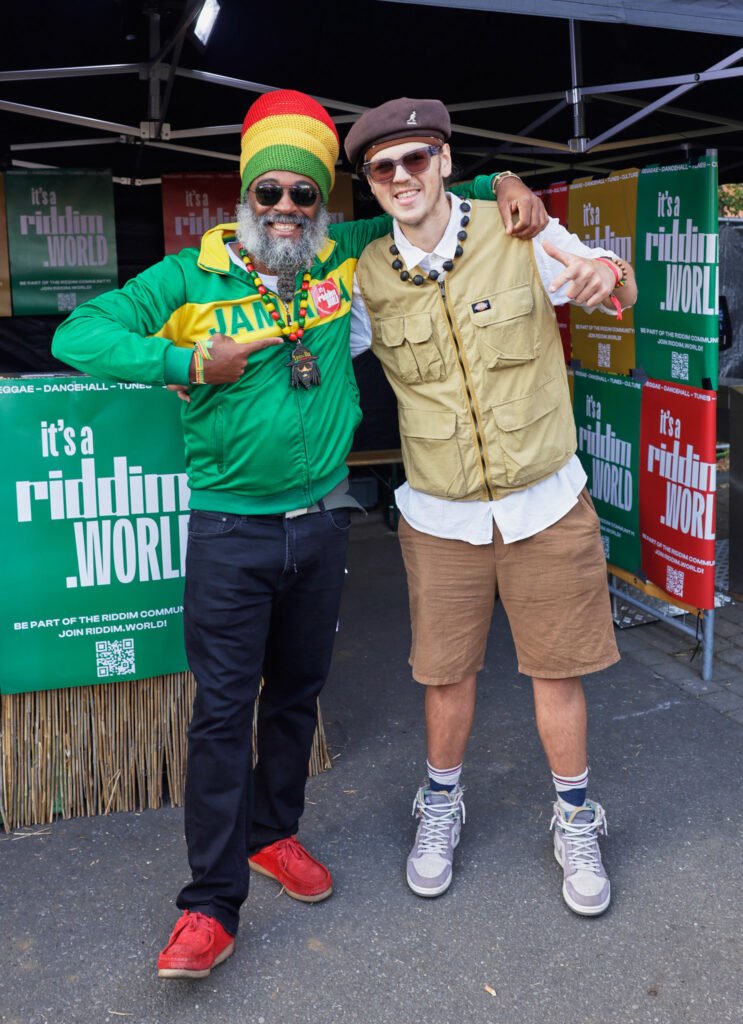
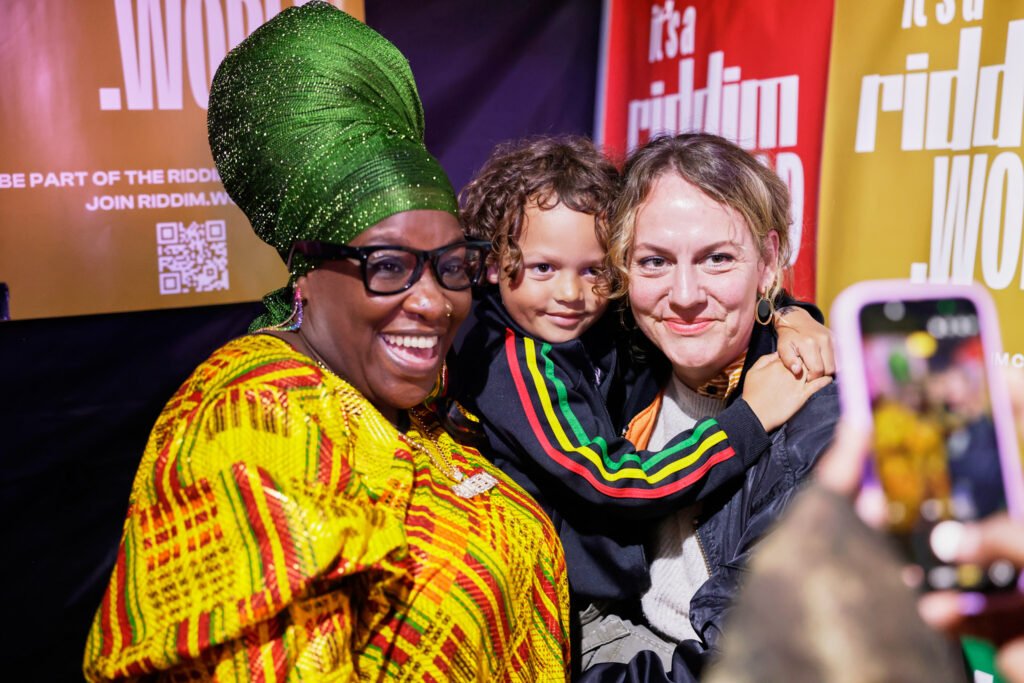
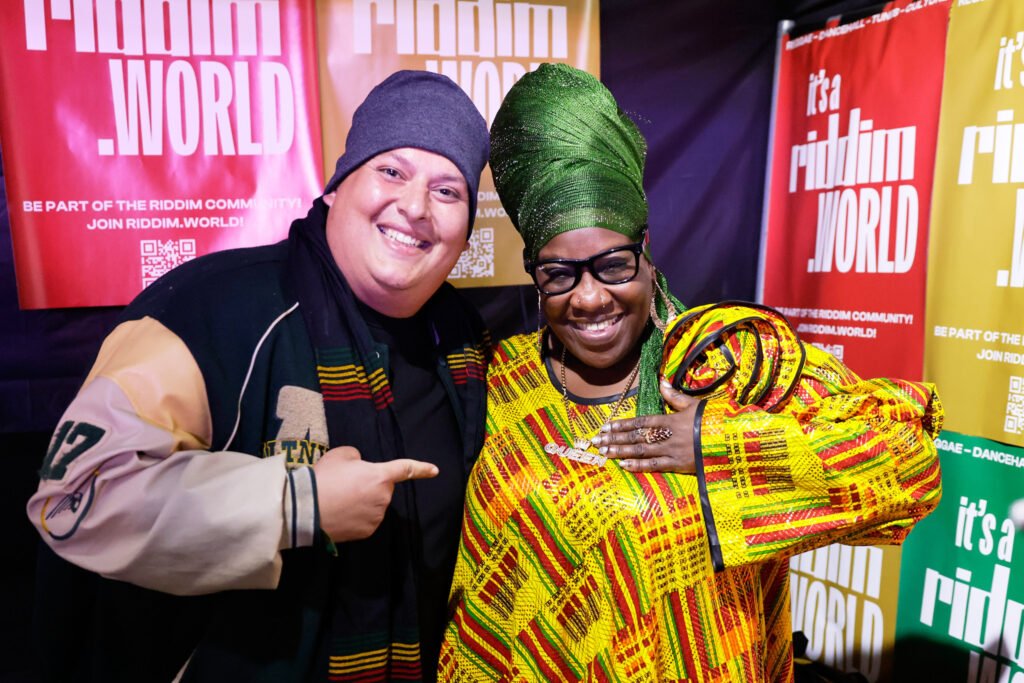
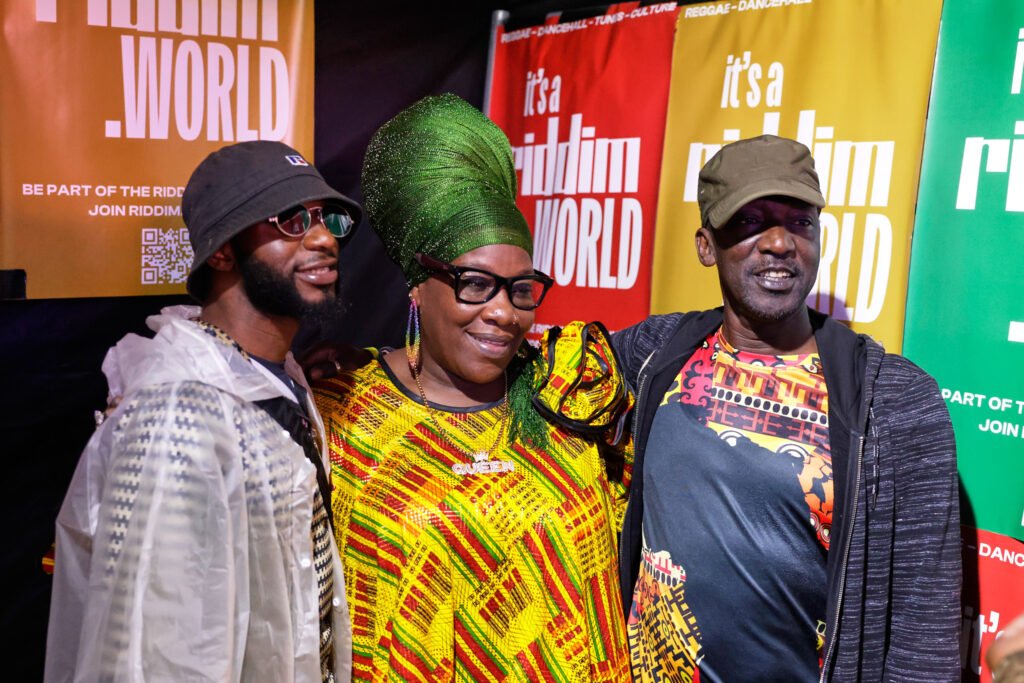
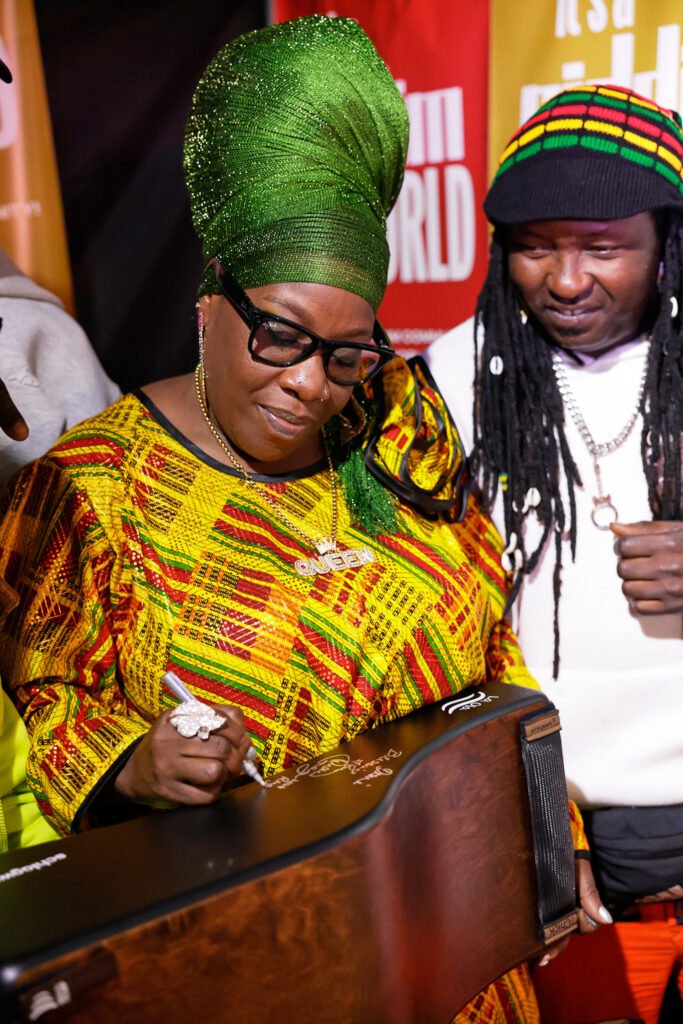
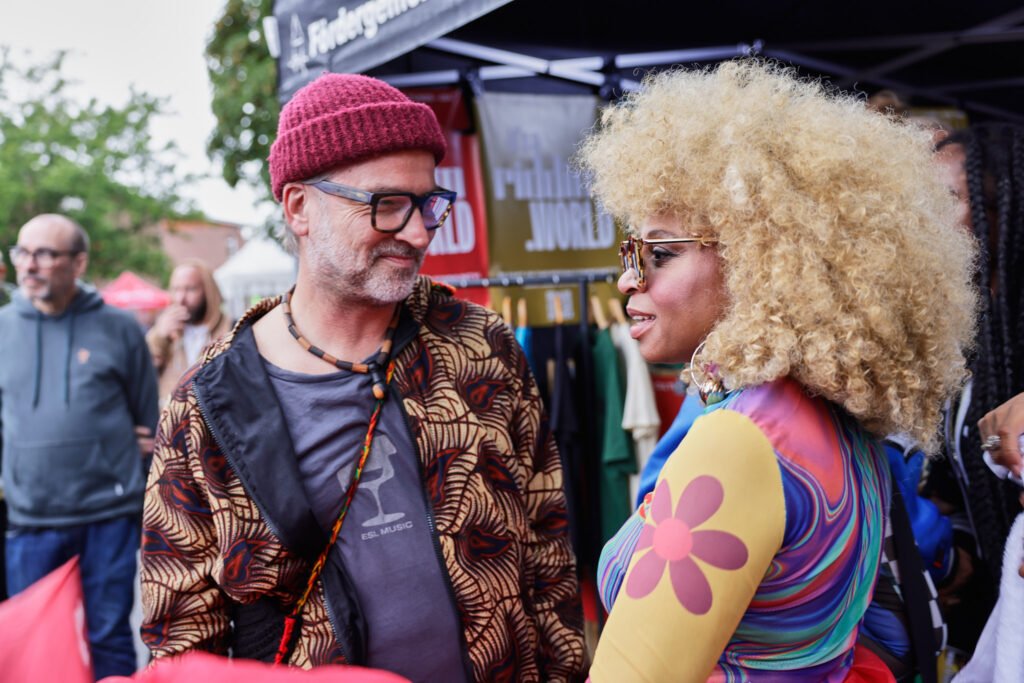
I heard a lot more acts, but mostly from a distance and with only half an ear—after all, other tasks await me at the RIDDIM Corner: explaining why the print edition no longer exists, introducing people to riddim.world, and, in between, organizing and hosting meet-and-greets with artists from the lineup. There’s also a noticeably nice vibe at the booth.
This vibe is especially strong at the Roots Camp, which is no longer organized solely by the Roots Plague Soundsystem from Münster, but by five other soundsystems from the region: Kunterbunt, Rise Up Hi-Fi, Zion Garden, Simple Skank, Teutopian, plus about 150 volunteers. Together, they create a magical refuge – a sound utopia – using natural materials. Black Omolo and Dubarise are back as guests. In addition to strictly vegan food and the legendary chocolate chai, there’s a colorful workshop program and a miniature sound system where the kids – the next generation – can try their hand at it.
While everything at the festival seems to be sunshine and roses, a shitstorm has long been raging online. That’s because on Thursday evening, the opening party in the dancehall sparked a massive outcry, especially within the Black community.
Serving as the backdrop behind the selectors is a four-meter-tall papier-mâché installation of a faceless Black dancer in a headstand, sporting a voluminous butt in skimpy denim shorts. With her spindly, disproportionately short legs, she looks more like a fried chicken. Attached to her legs are two strings that allow her buttocks to move. In front of the stage is a sign reading “Women At Twerk,” which is meant to give the whole thing the air of some lighthearted dancehall fun.
But the dancehall decor goes viral in an Instagram video in which two white selectors play – of all songs – Konshens’ and Charly Black’s “Gyal Time Again,” featuring the line “Mi fuck yuh inna dancehall, fuck yuh inna reggae,” for a predominantly white audience. Women around the world were quick to speak out. They took issue with the sexualized portrayal of a Black female dancer – reduced to stereotypes from the colonial era – by and for predominantly white men. The video, which has since been deleted, received numerous comments by the next morning. The festival responded with an apology and had the questionable stage decoration taken down.
The next morning, RIDDIM staff member Naomi Marie-Rose suggests publishing our special feature on racism on riddim.world – a feature that originally appeared in the print edition of RIDDIM in 2020 in the wake of the Black Lives Matter movement. Since we don’t want to leave the current debate to the comment sections on so-called social media, we’re posting three articles online that shed light on the tension between white listeners and Black music. Racism has many faces, which we can only confront through open communication.
-

Reggae and Racism: Loving The Alien

-
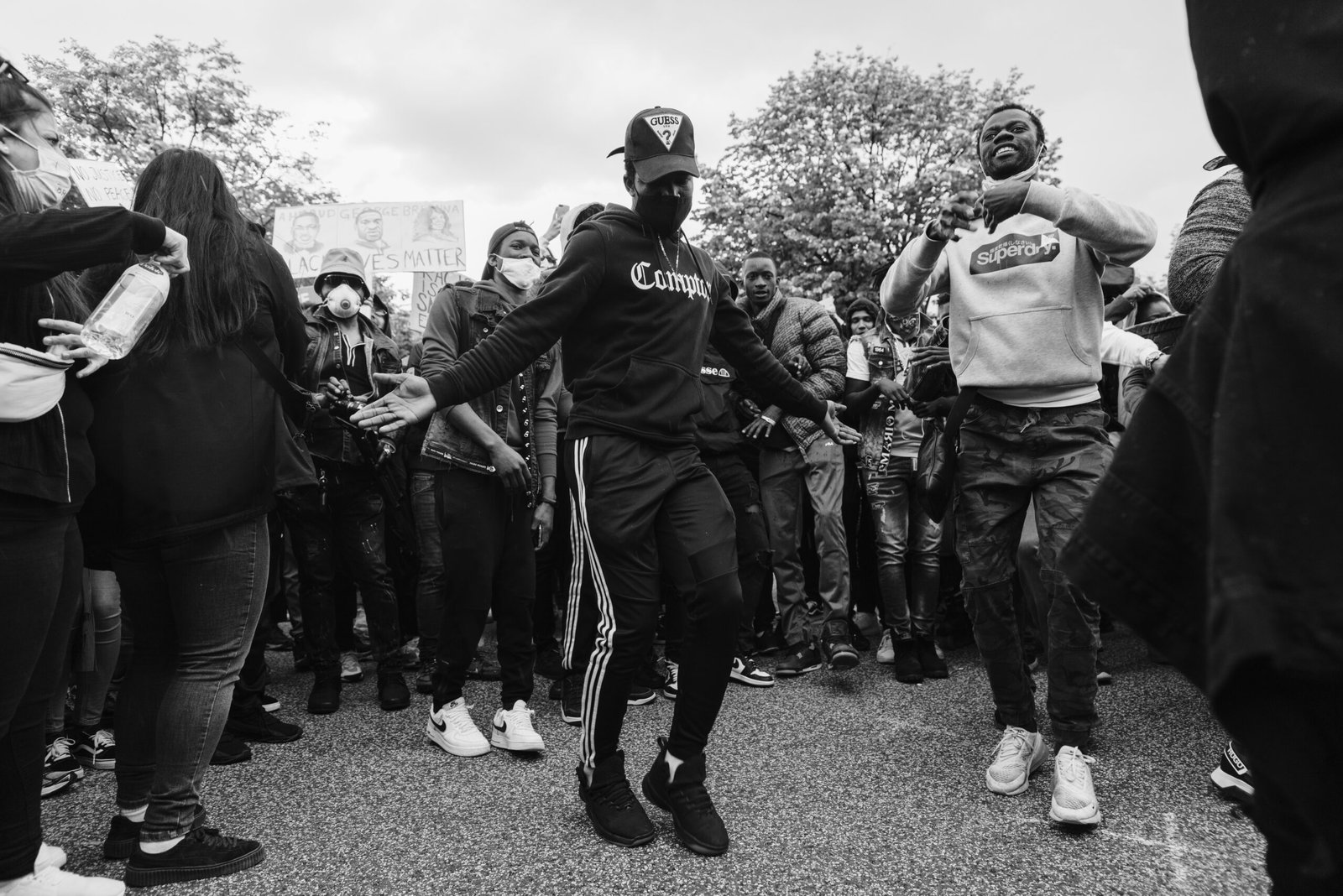
But They Didn’t Mean To Offend! – Cultural Appropriation & Racism in Europe’s Dancehall Scene
-
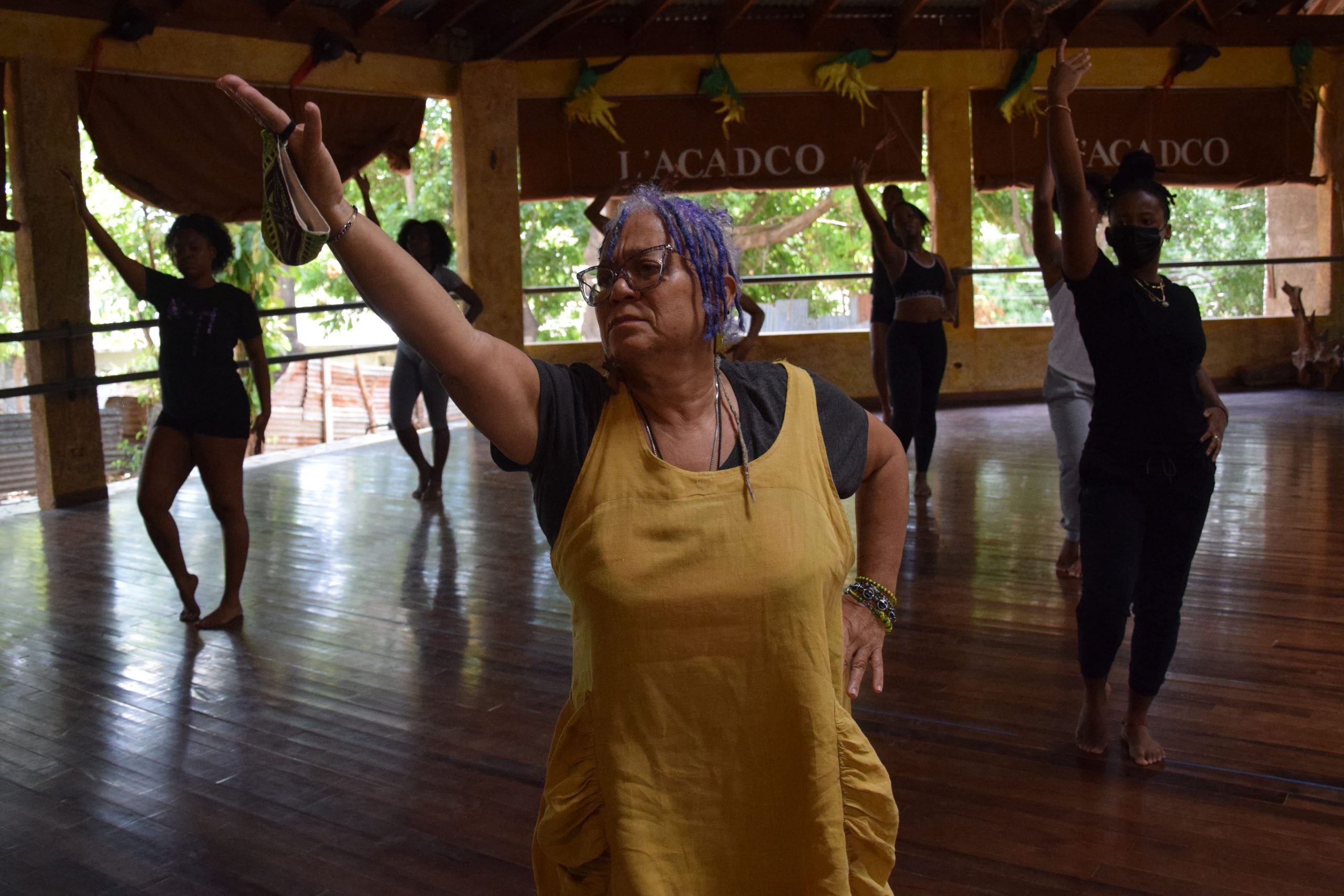
L’Antoinette Stines – Dancehall Is Us
The discussion does nothing to detract from the festival vibe I described at the beginning. After all, it has sparked a conversation that will hopefully continue. In any case, demand for tickets for next year is as high as ever. And who knows what else this debate will set in motion – perhaps more women behind the decks and hopefully many Black women.
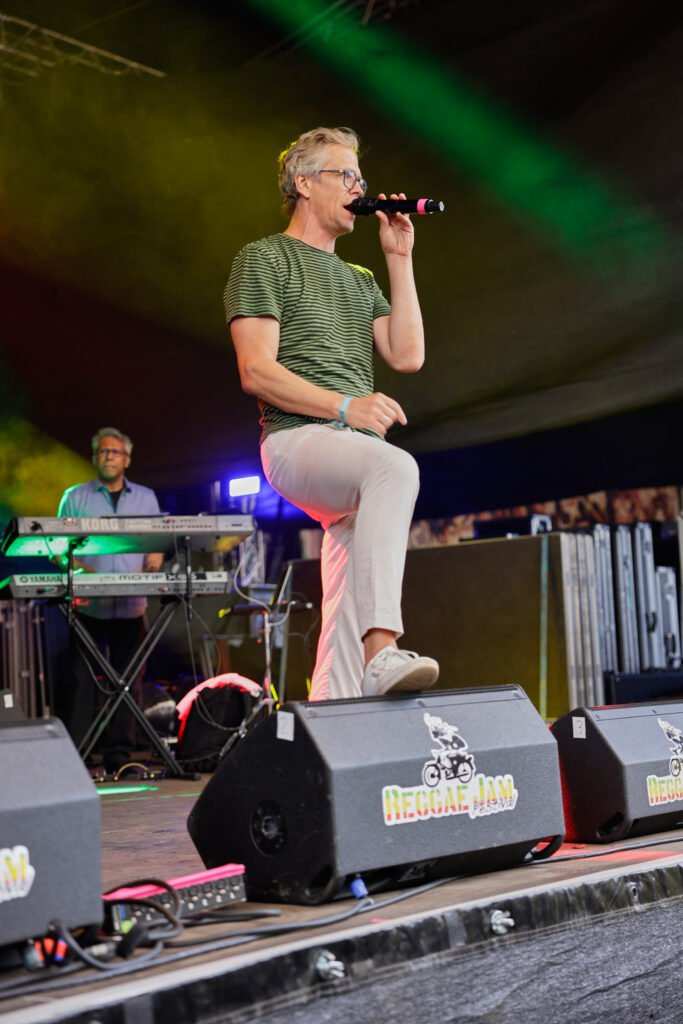
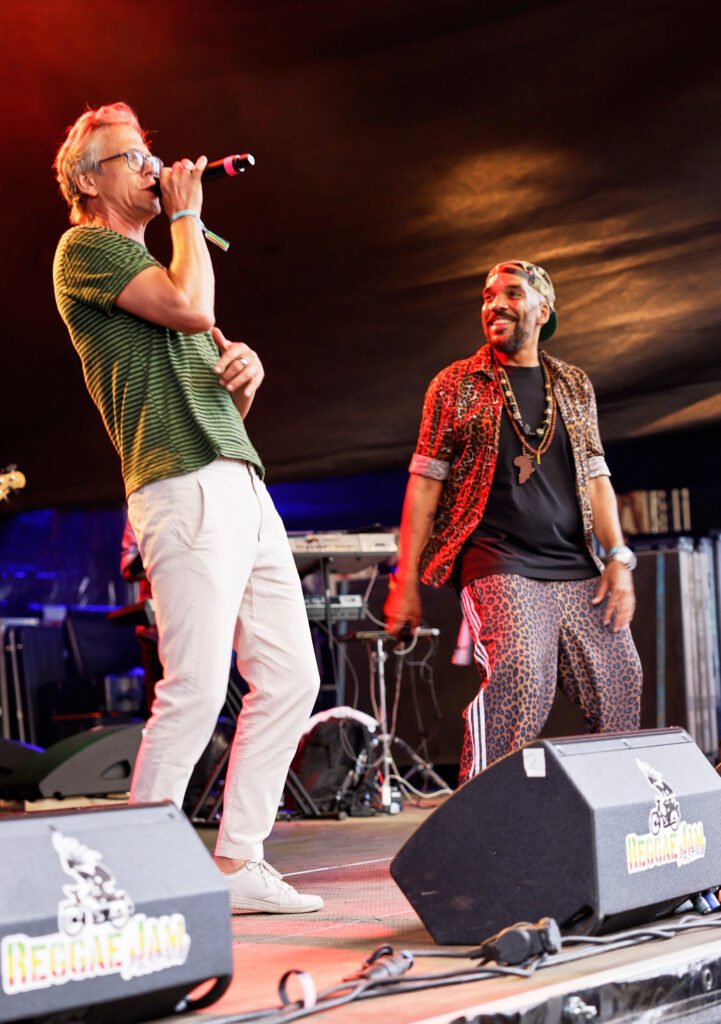
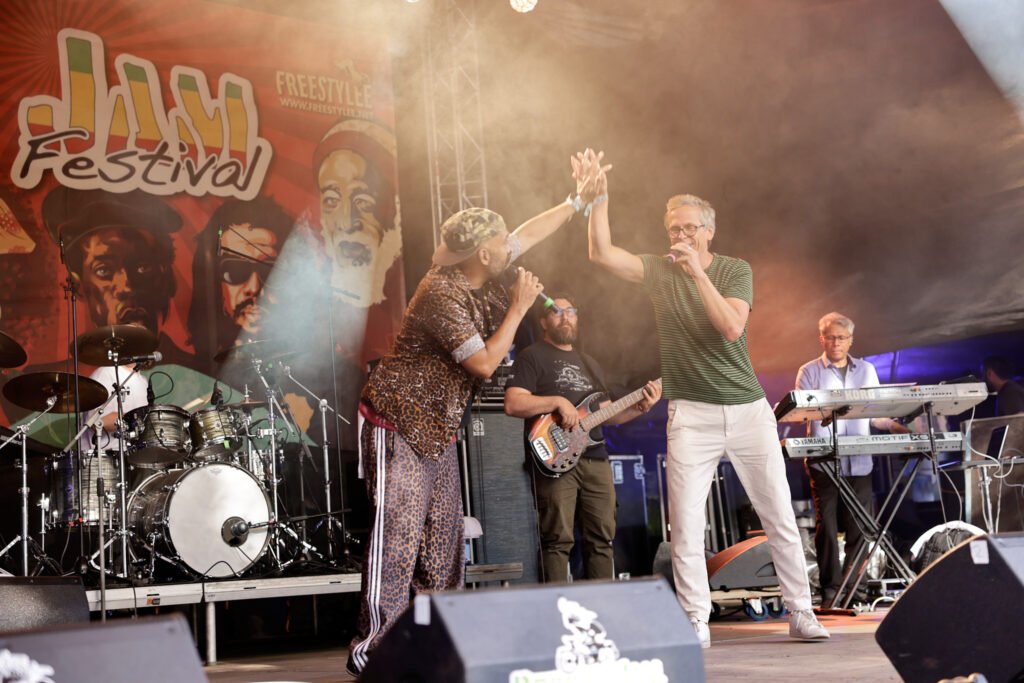
Impressions Of Our Photographer Stephan Haas: