
Text, Photos & Videos: Ellen Köhlings
It’s actually hard to believe that our Reggae Geel debut didn’t take place until 2026. For one thing, the deadline for the print edition of RIDDIM kept us from covering it; for another, the Reggae Jam—which often takes place at the same time and has held the top spot in the RIDDIM reader poll for many years—got in the way. But as the saying goes: Good things come to those who wait!
So on Thursday, we’re heading to Geel, Belgium, for the mother of all European reggae festivals. The first edition took place in 1978—an incredible 48 years ago!!! And much like the Rototom story, it began as a small, intimate open-air reggae party organized by a few friends.
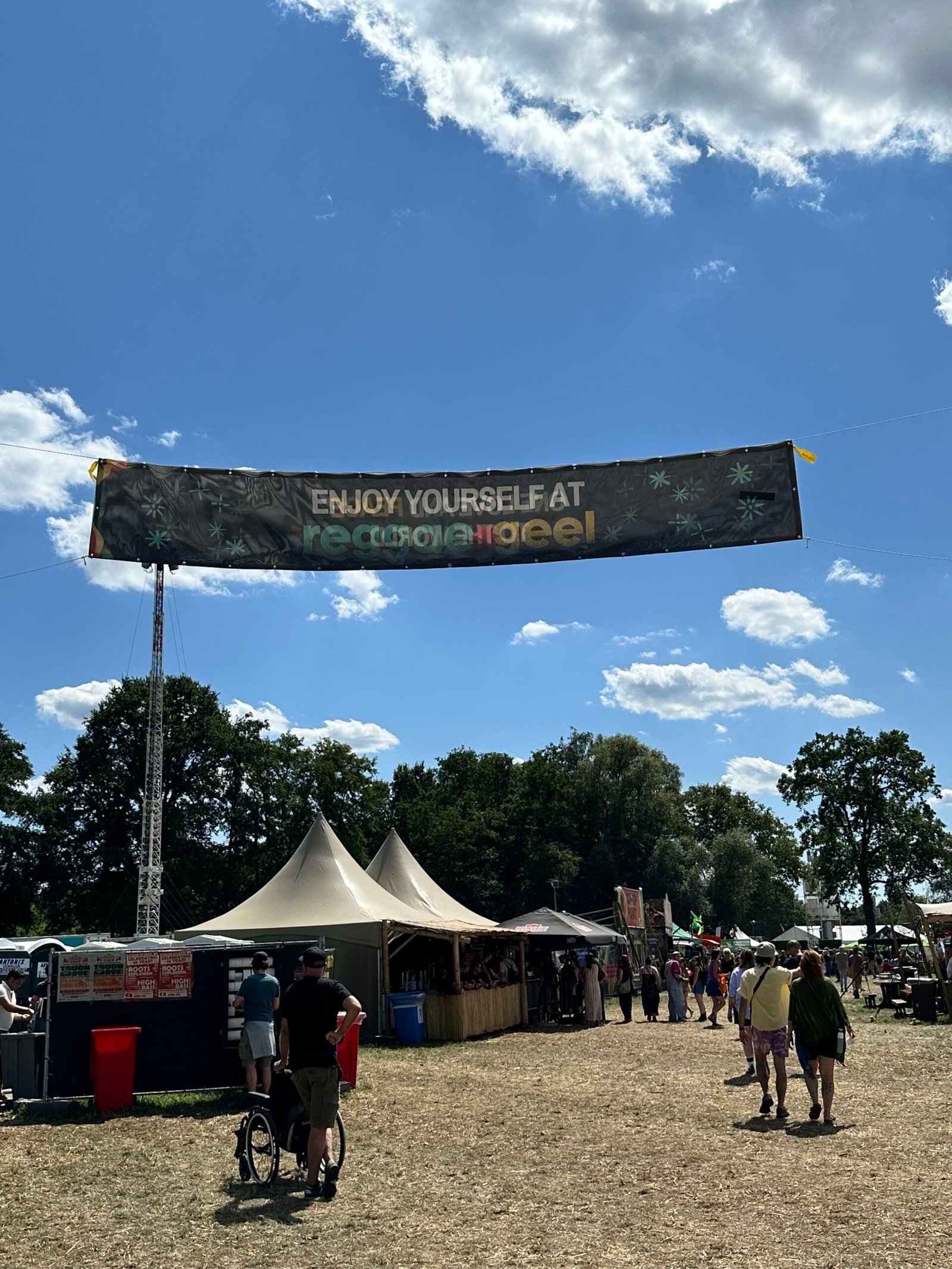
After we’ve settled in briefly, we’ll take a free shuttle bus from the Geel train station directly to the festival grounds. It runs all weekend—we didn’t even have to wait more than ten minutes. At night, you can either hop on a bike—for which there’s a dedicated parking area on the festival grounds—take a taxi, or plan on a longer walk.
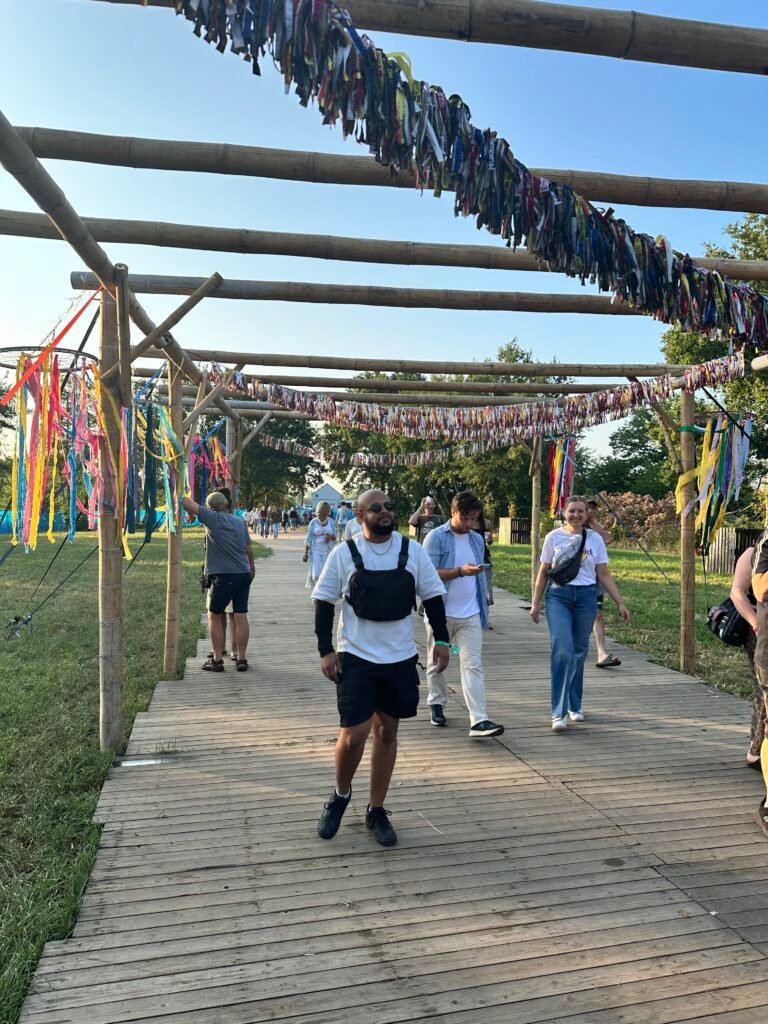
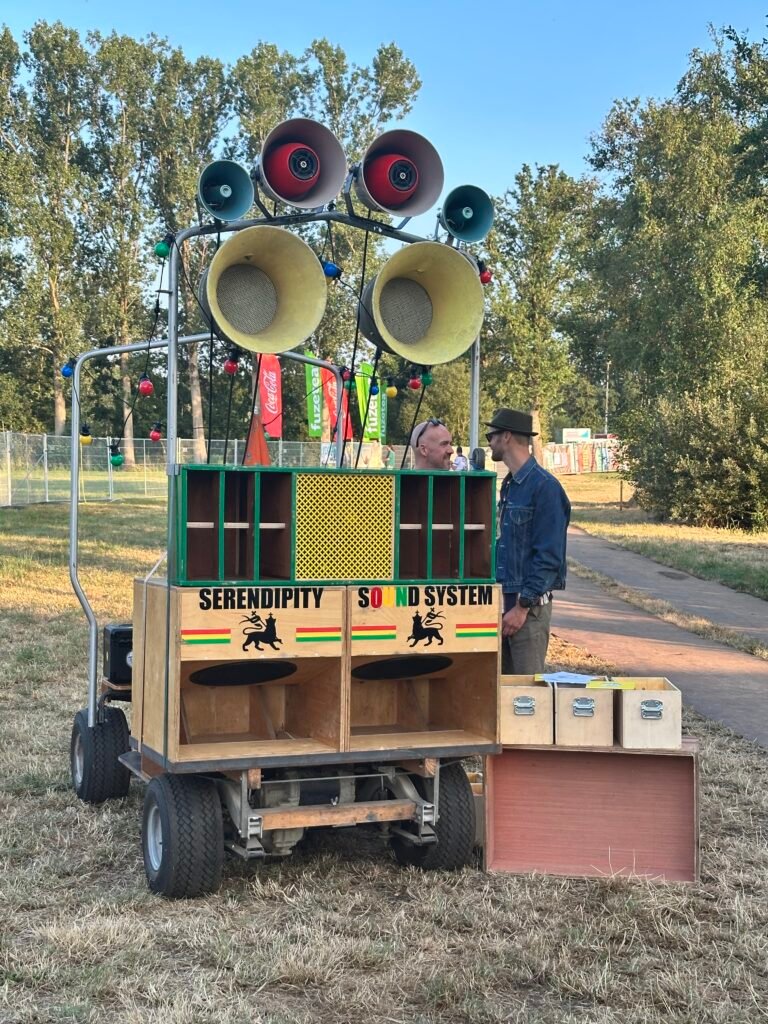
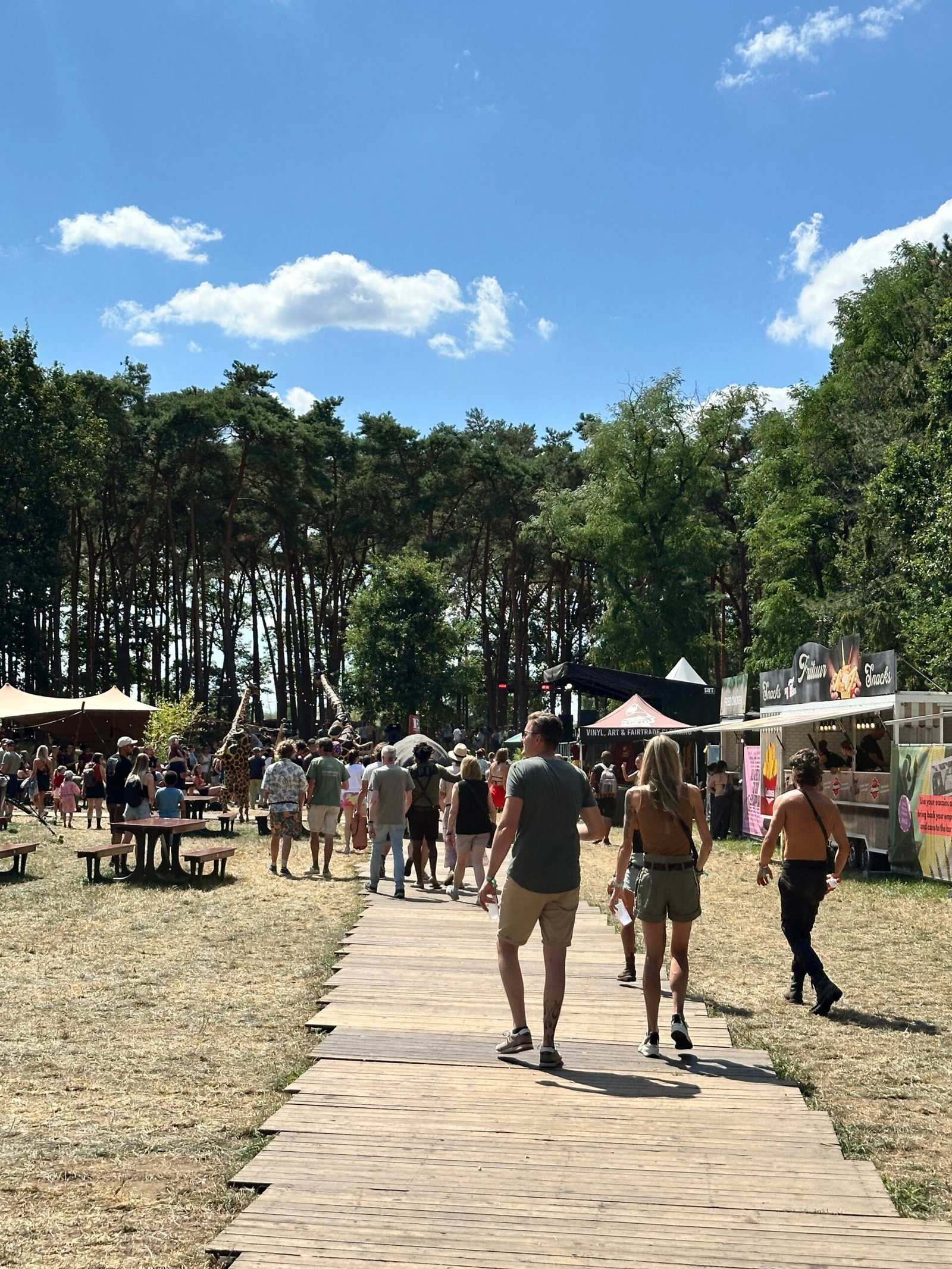
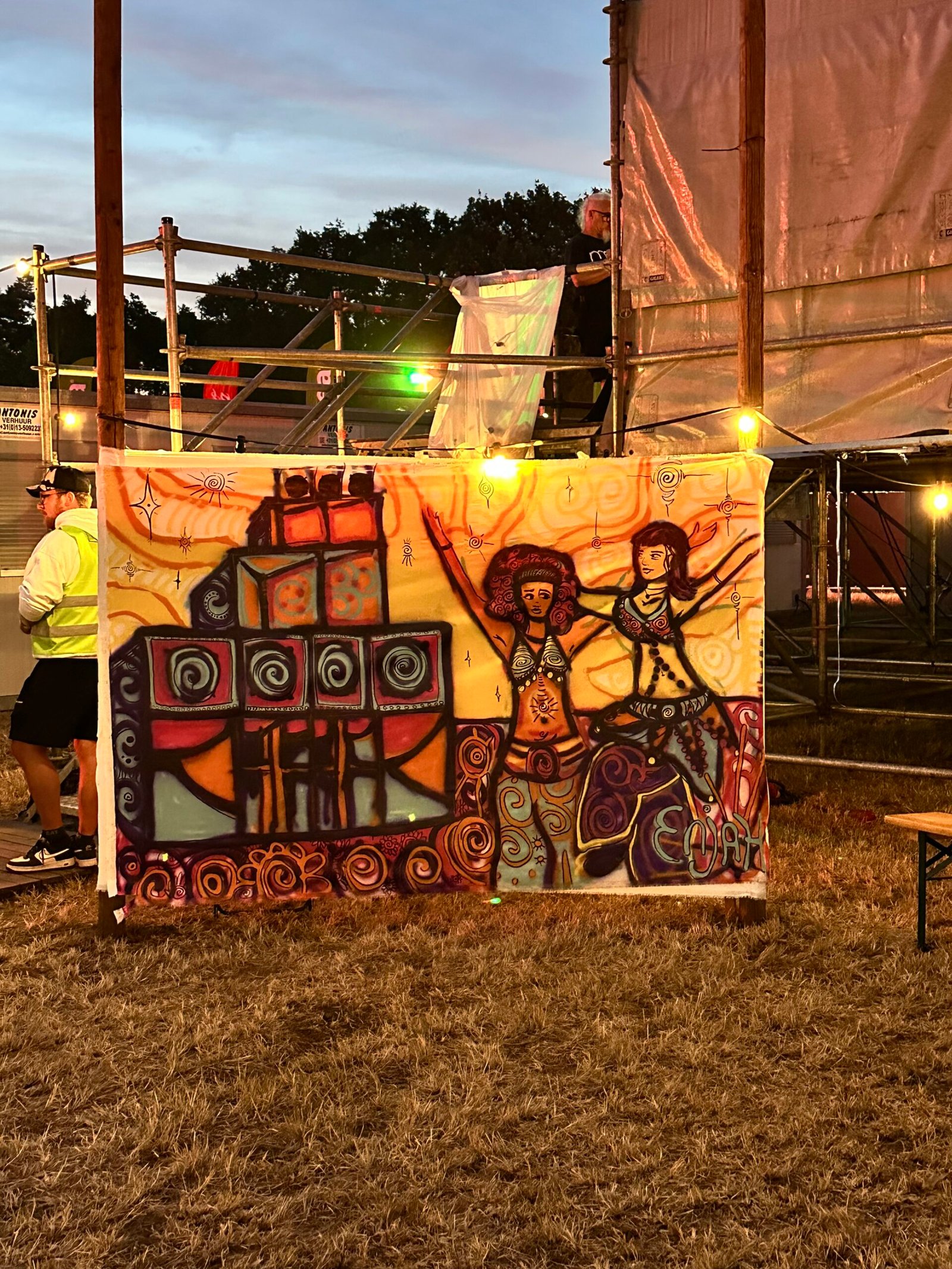
Passing the campground, we turn left onto the festival grounds via wide wooden planks, with a sort of pergola decorated with colorful fabrics overhead. Just beyond that is the impressively compact Serendipity Sound System, a self-sufficient, mobile setup that can be set up anywhere without relying on external power.
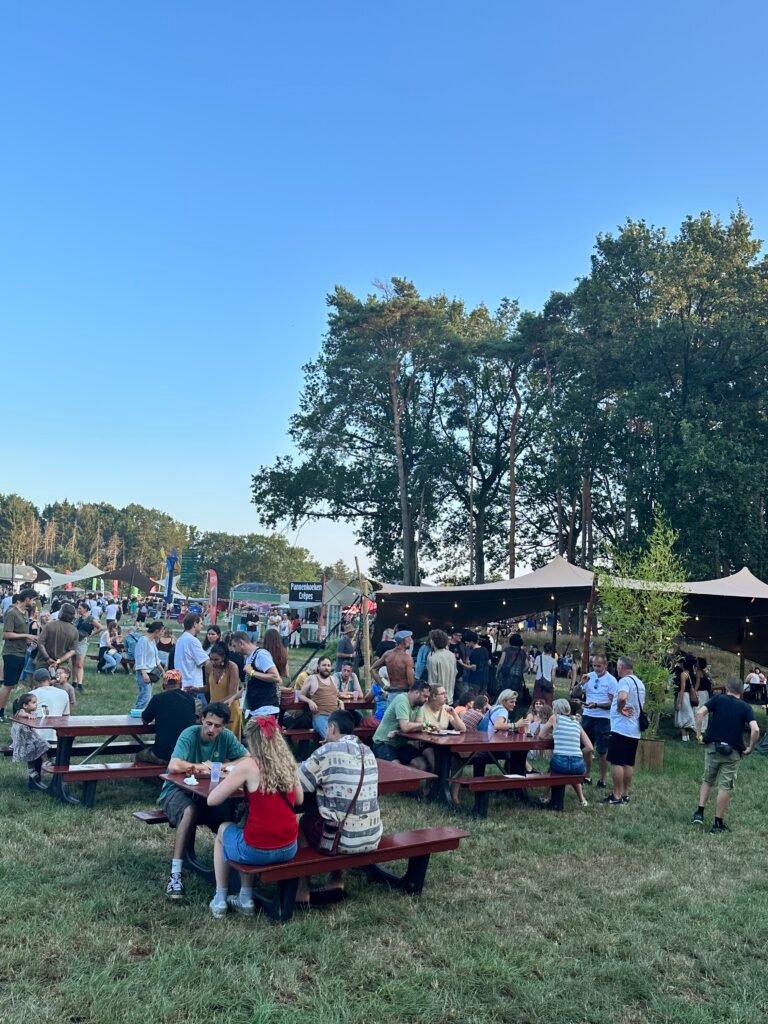
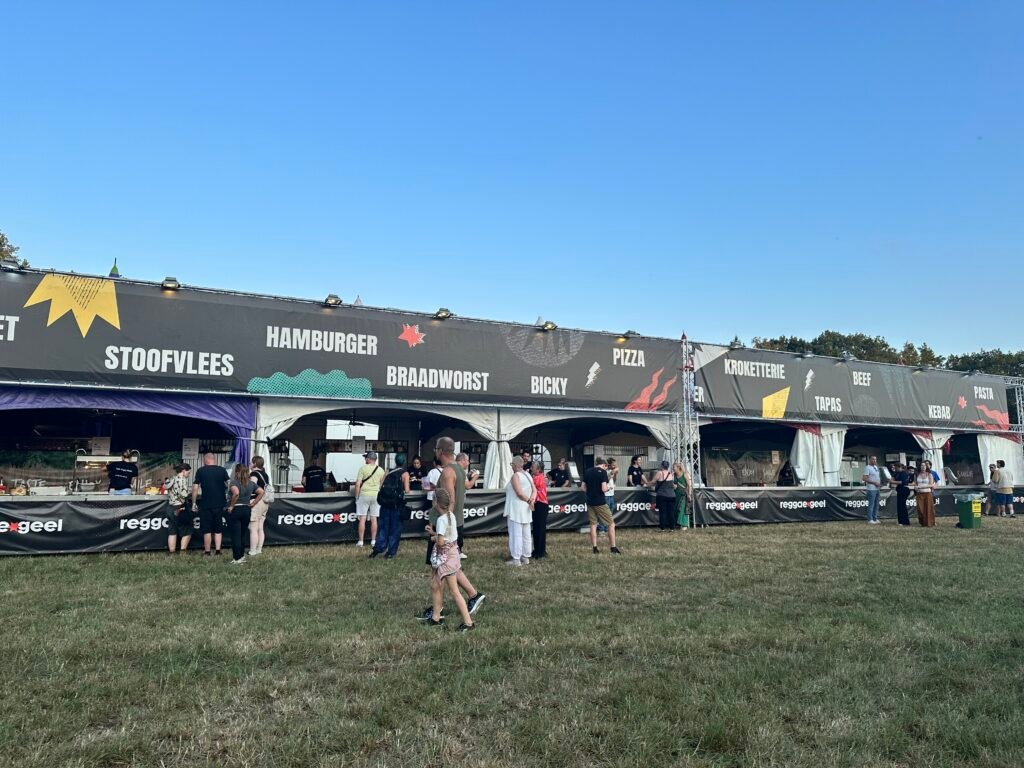
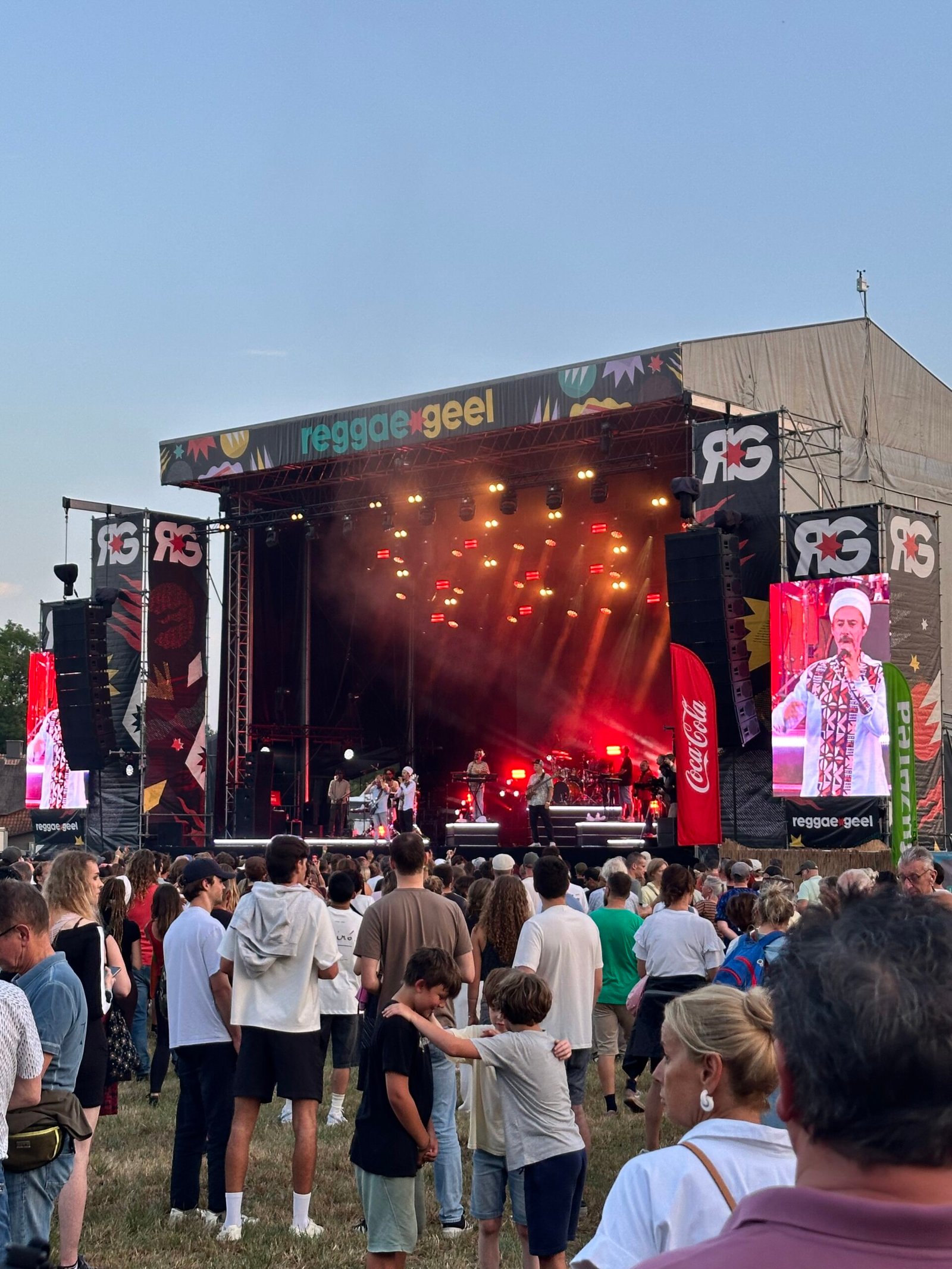
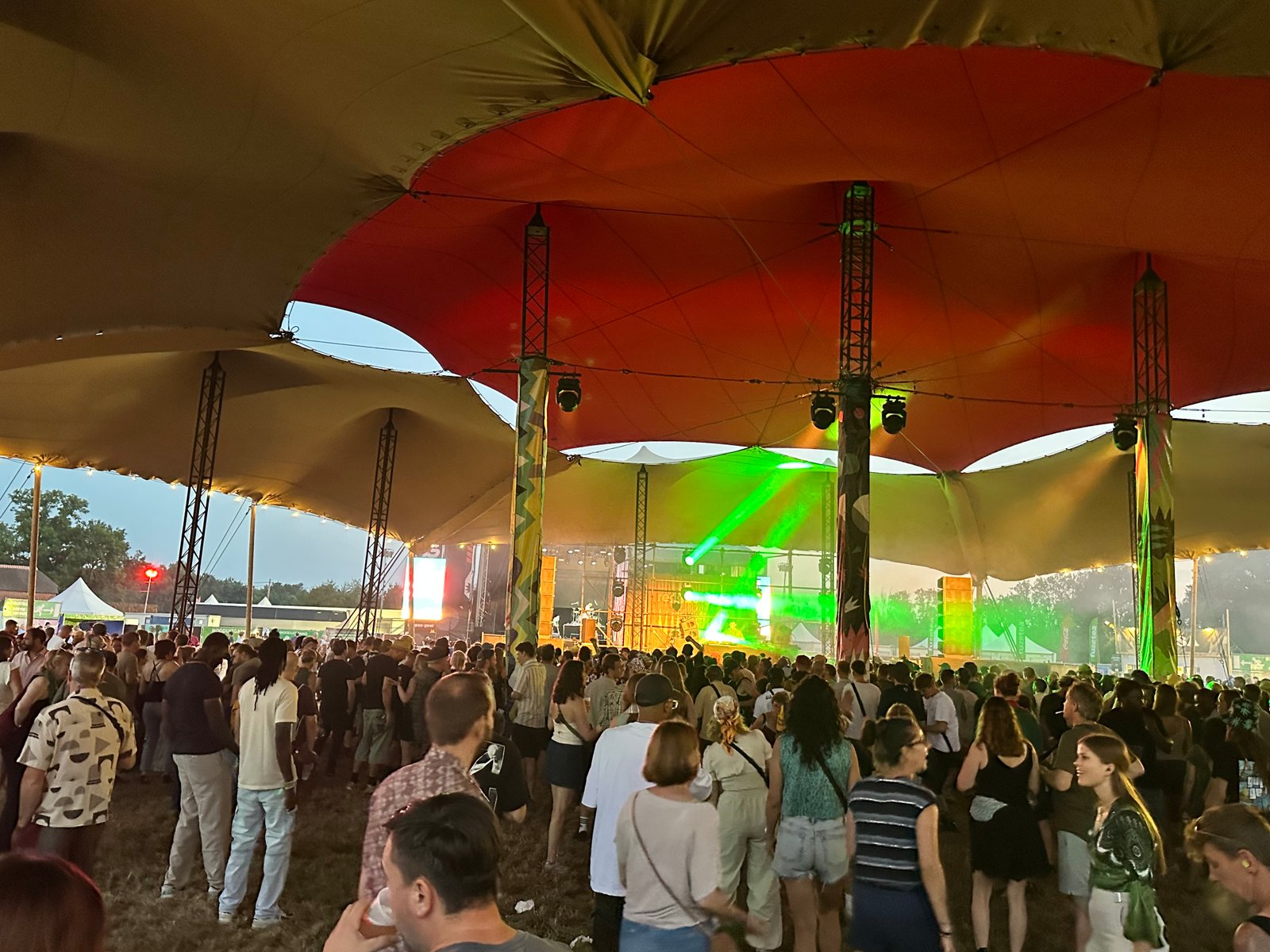
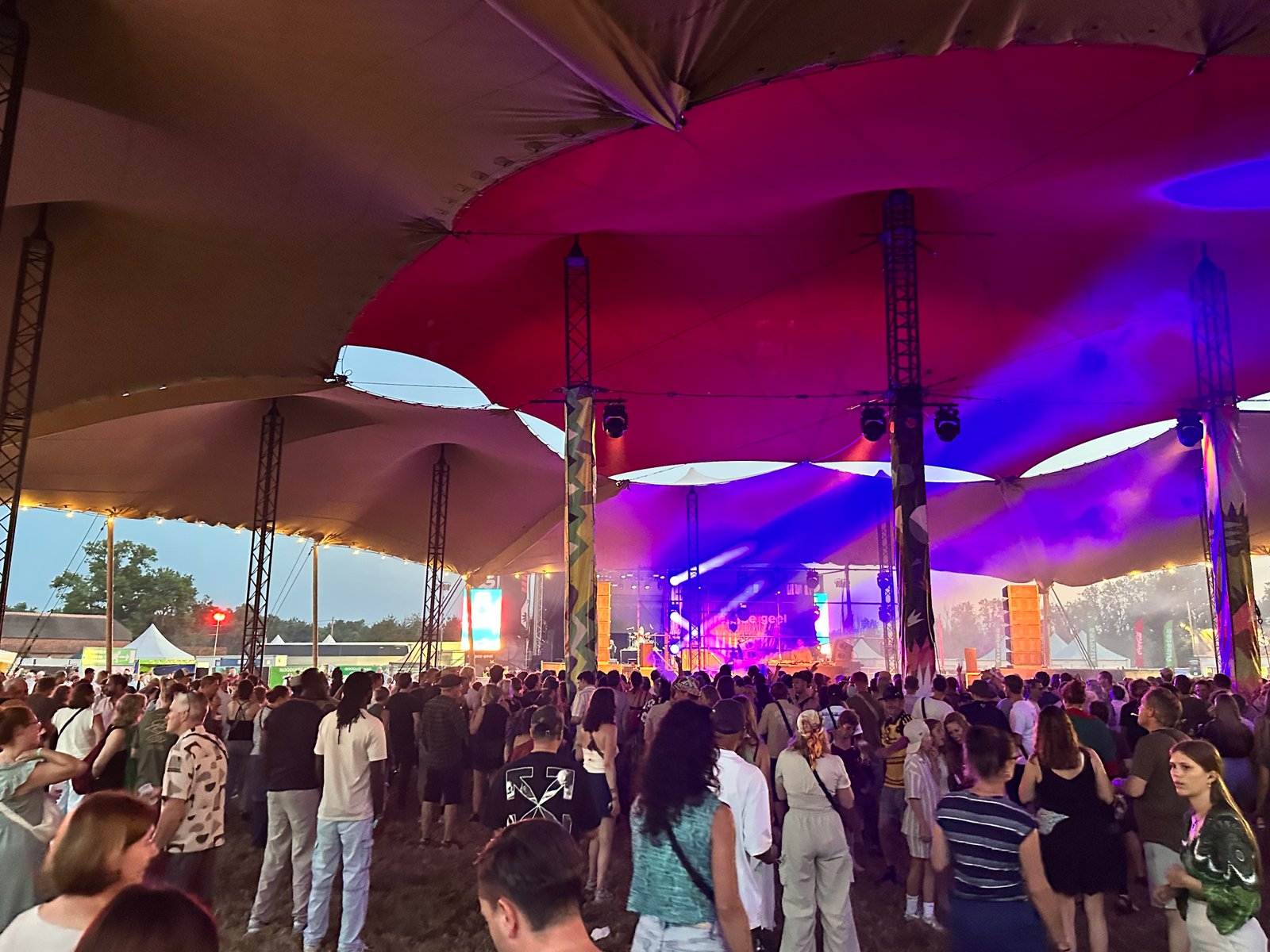
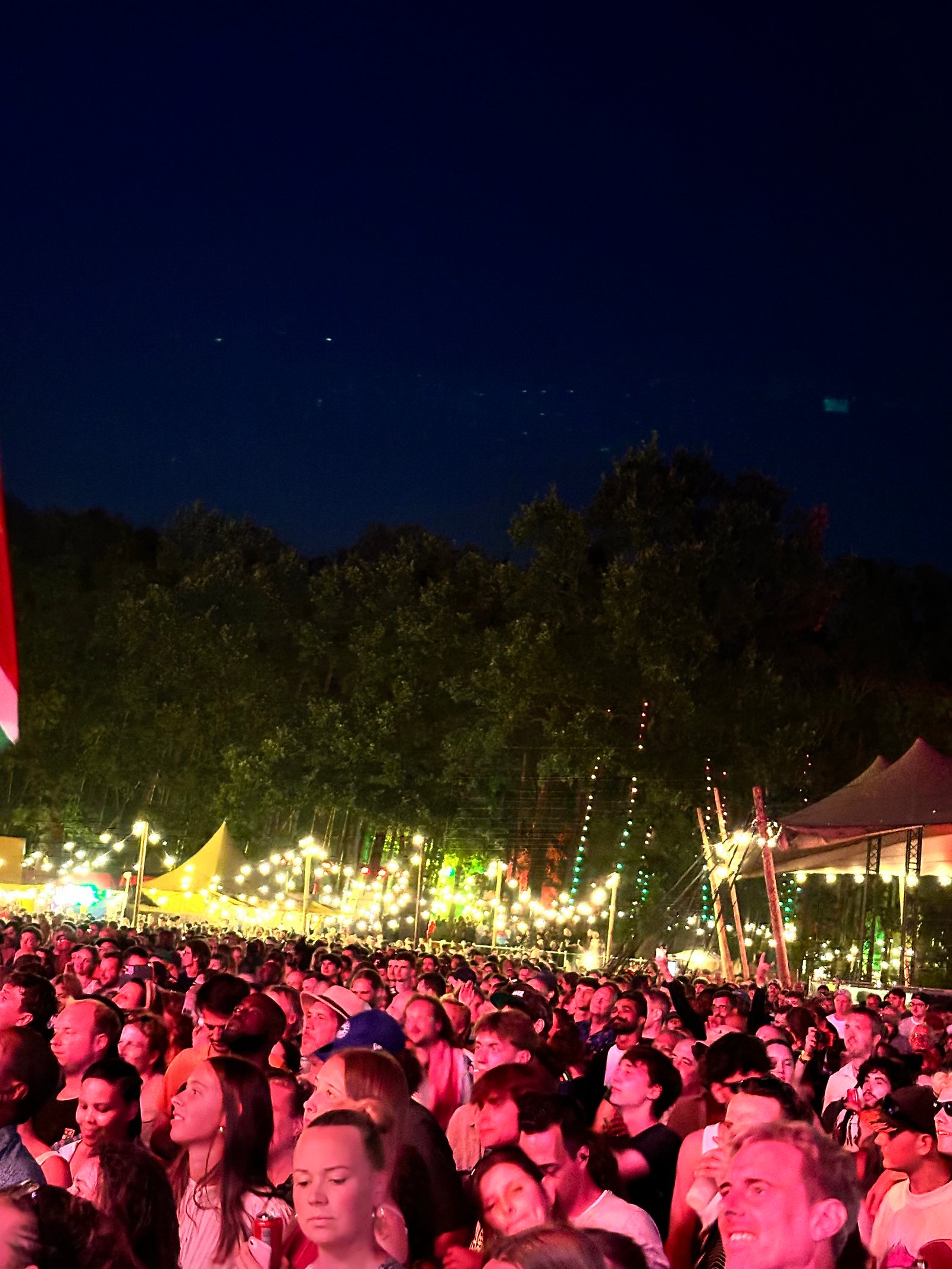
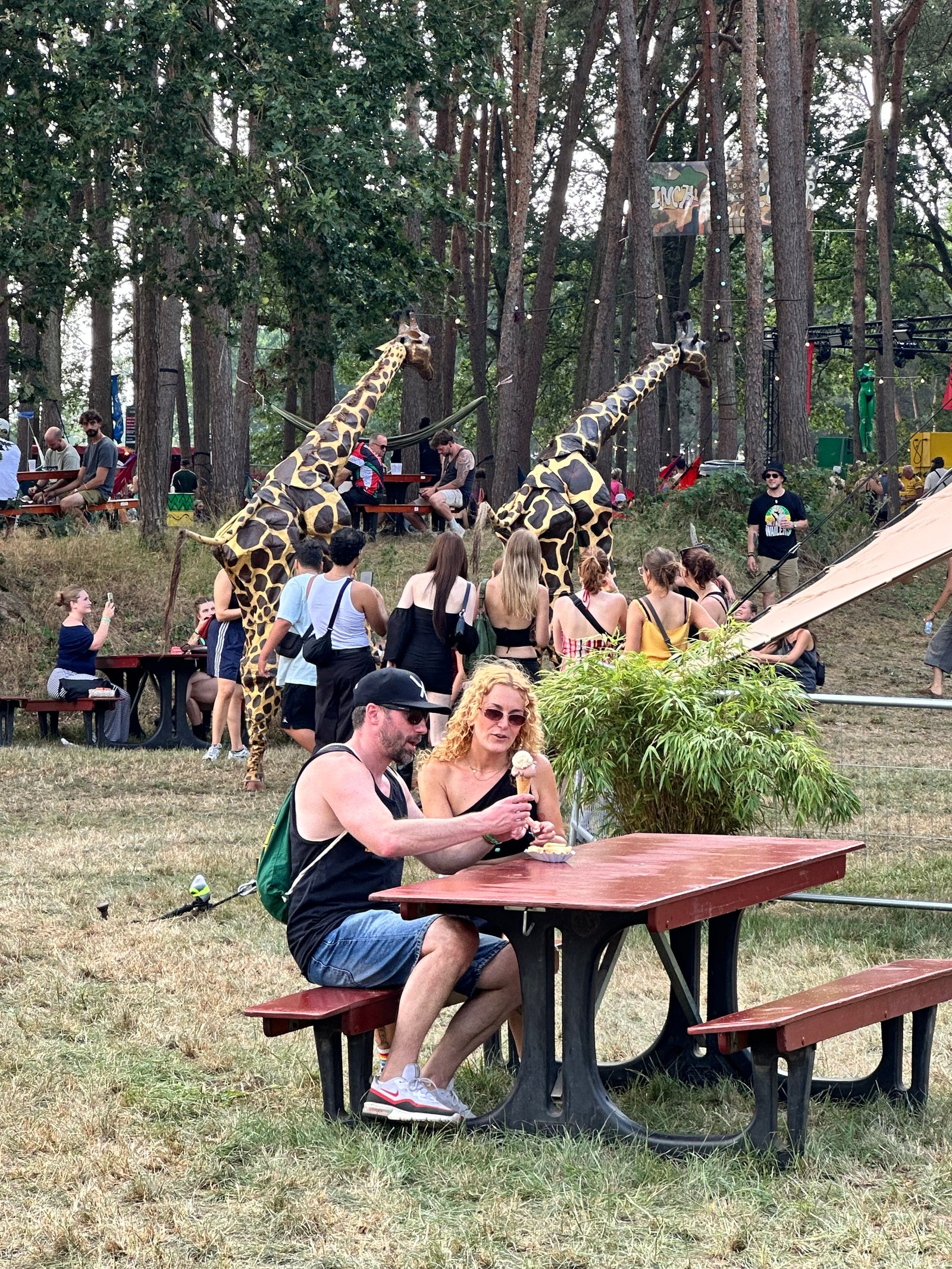
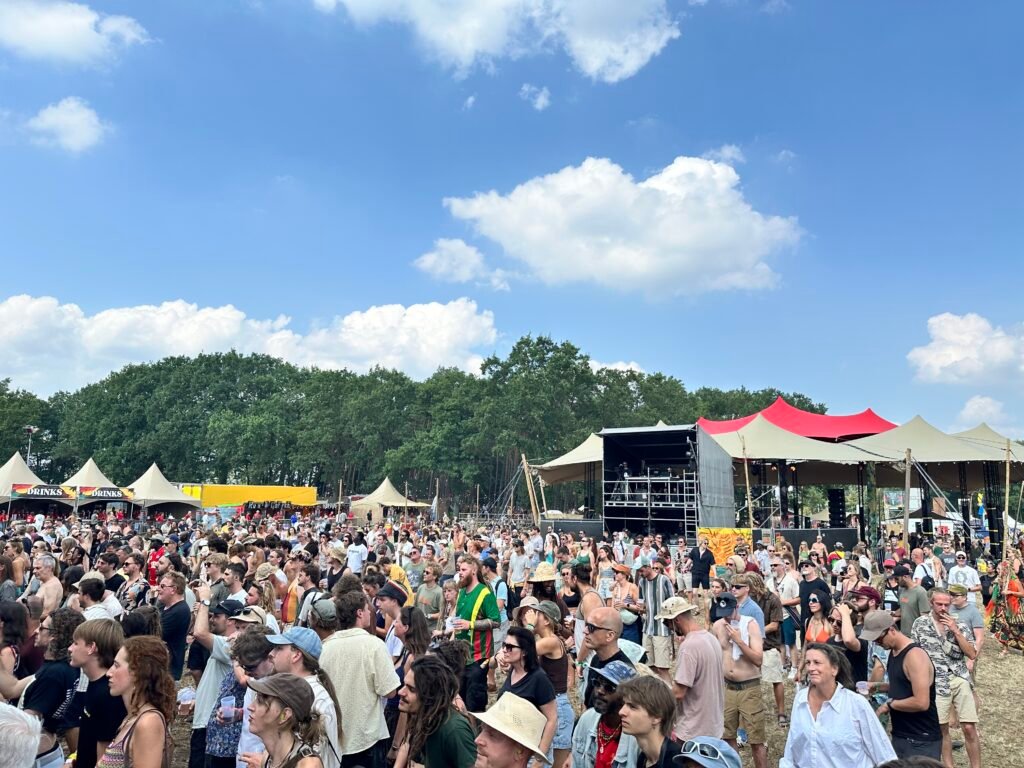
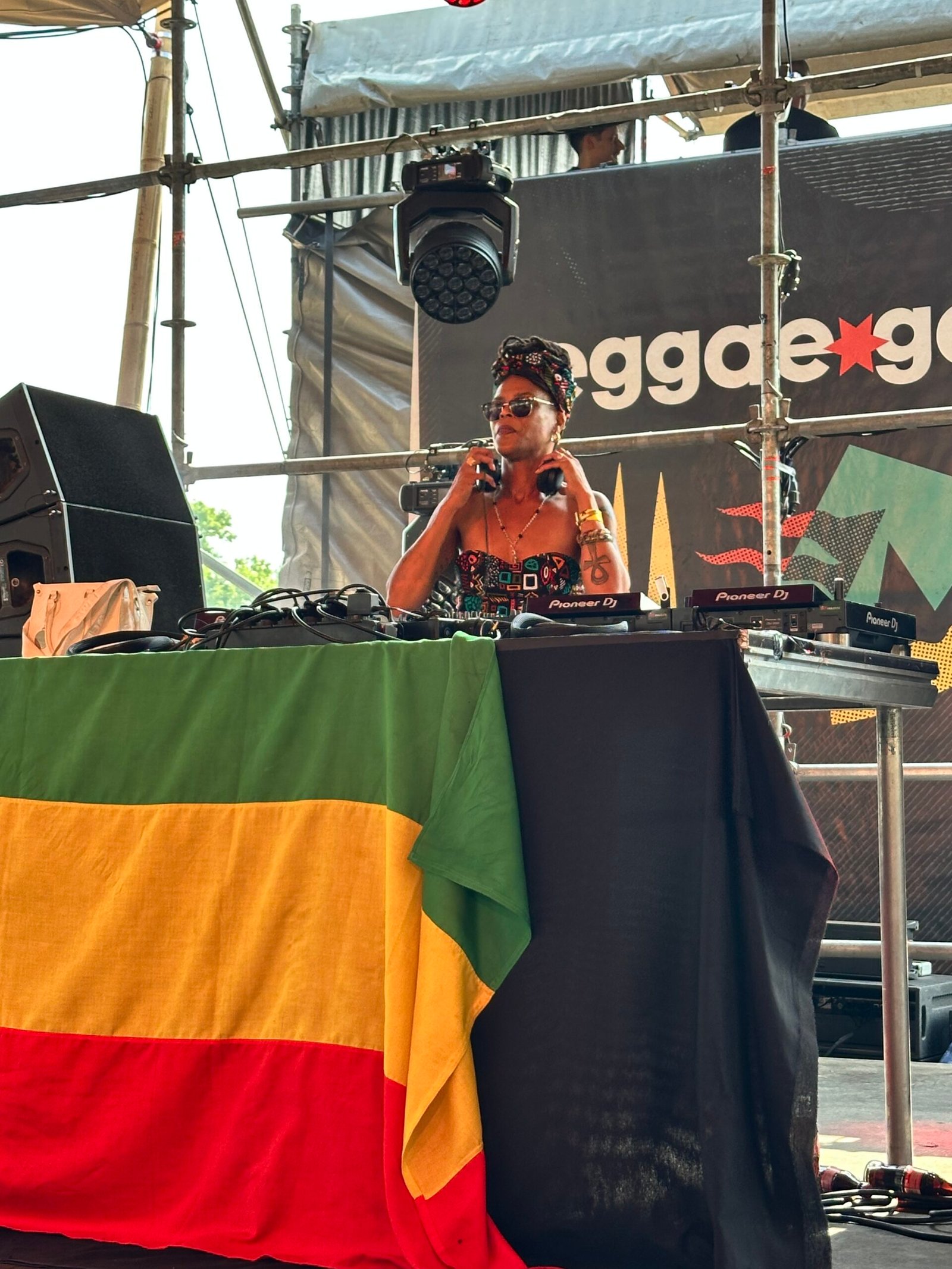
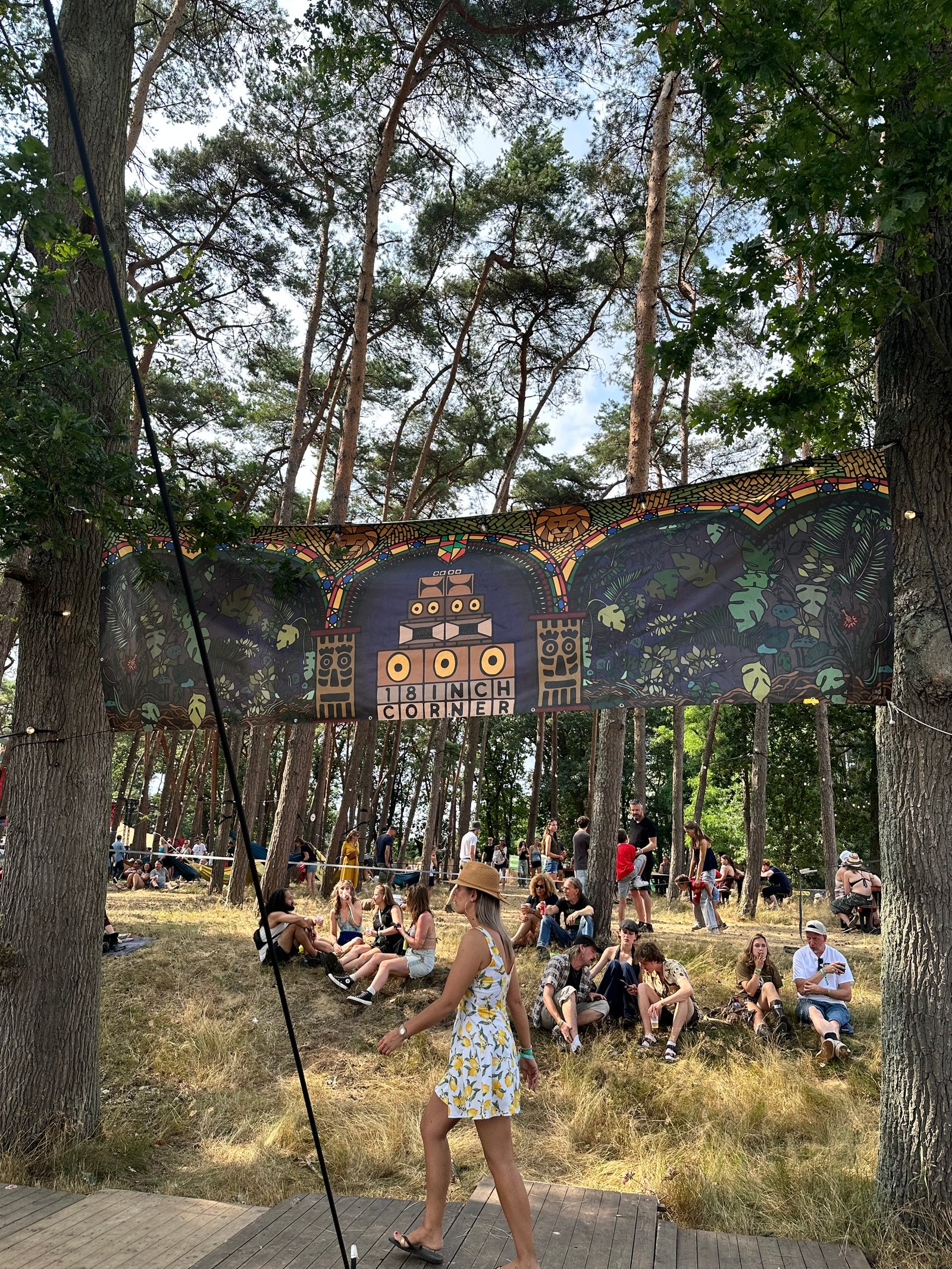
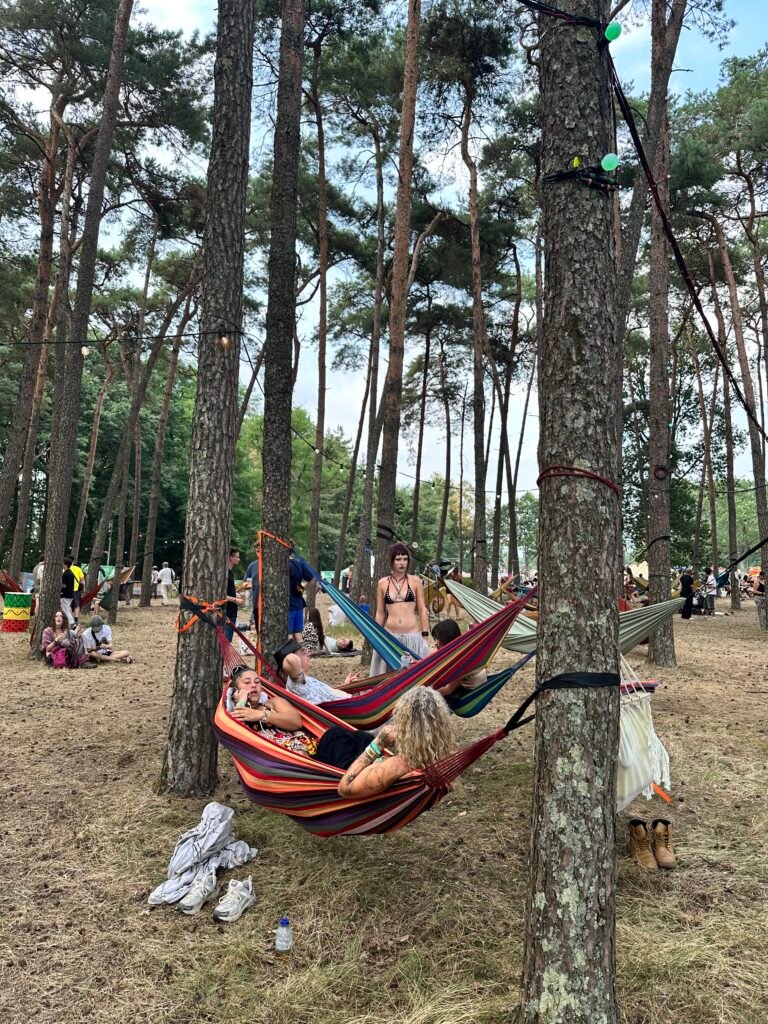
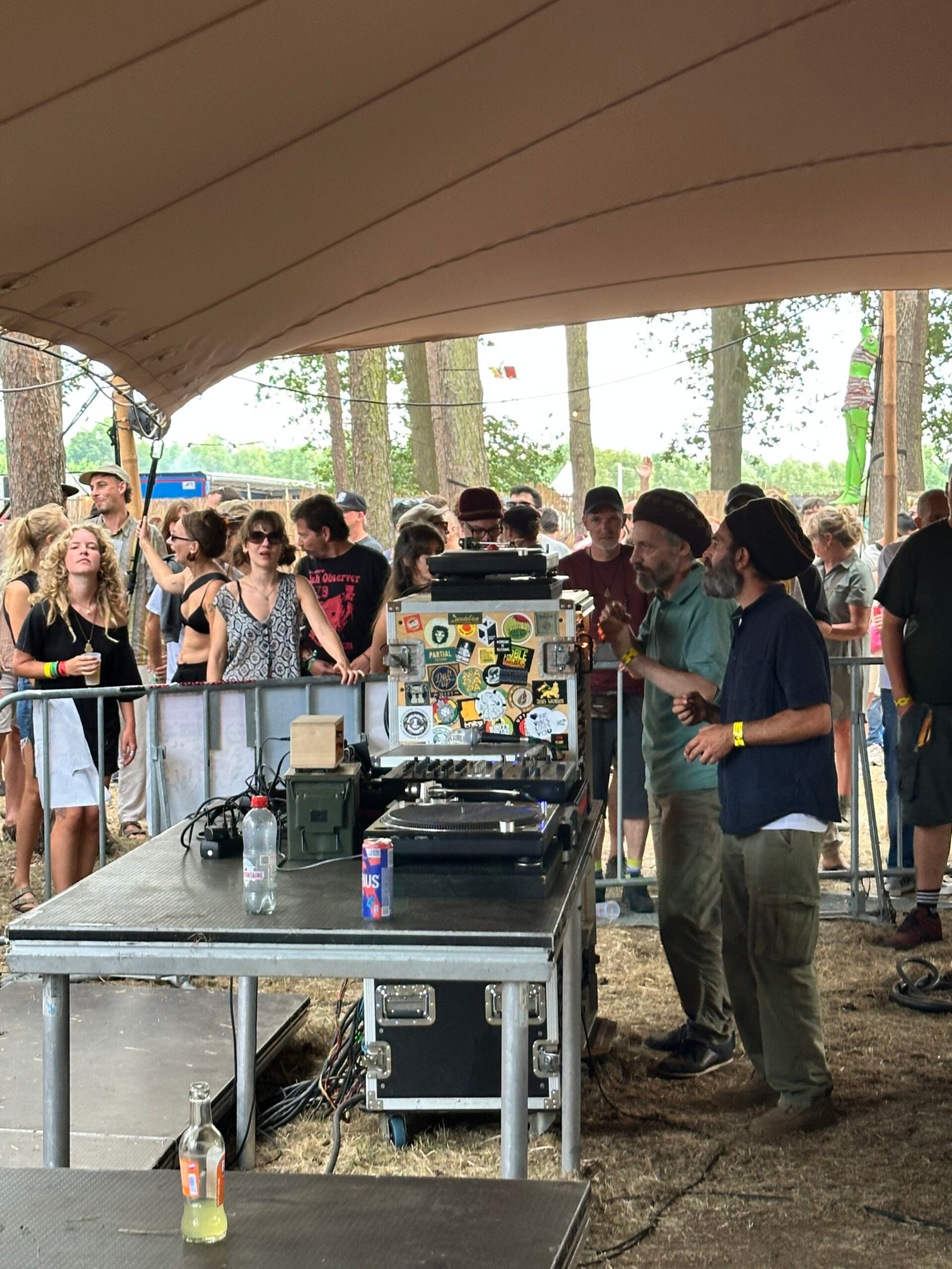
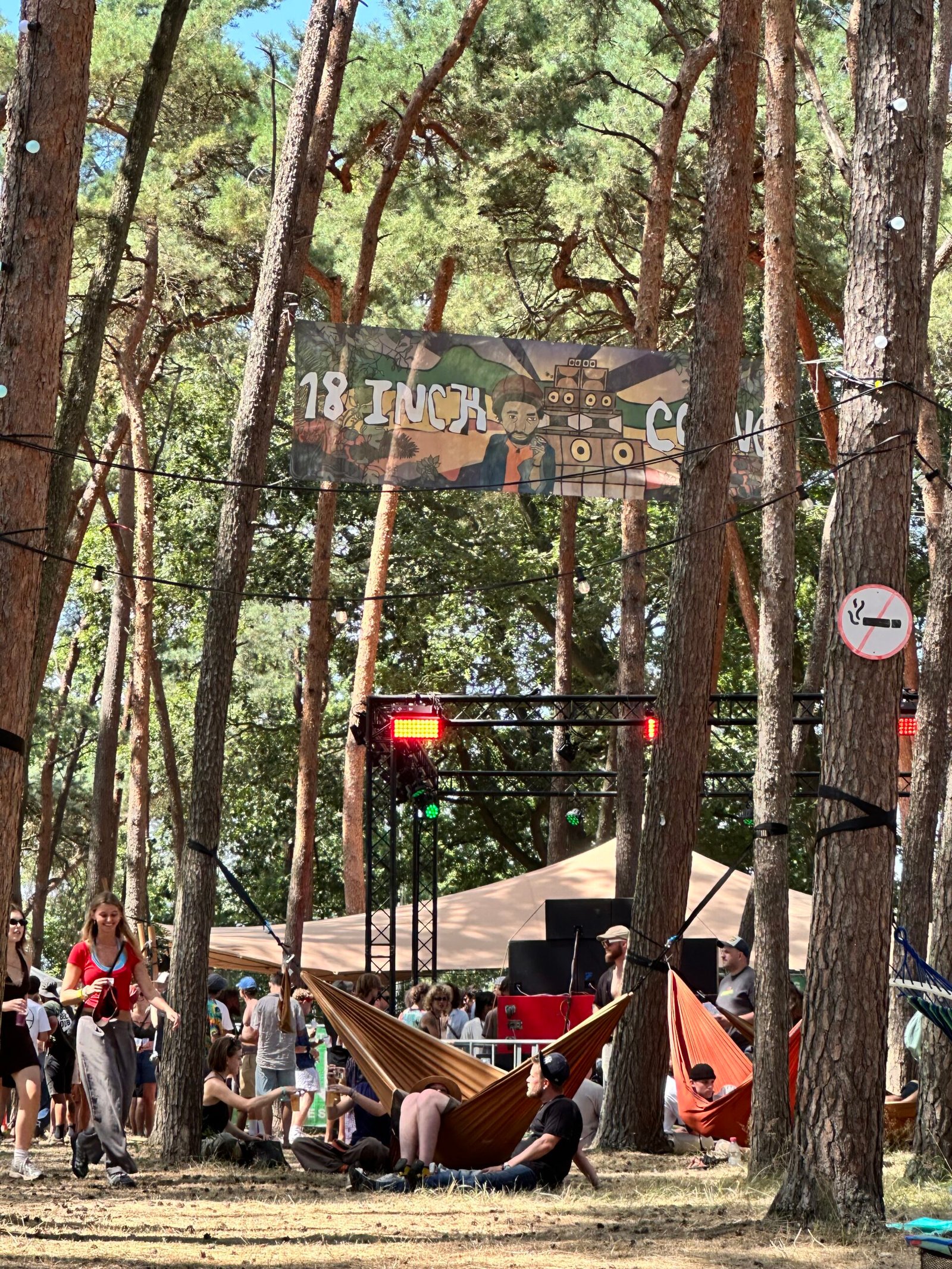
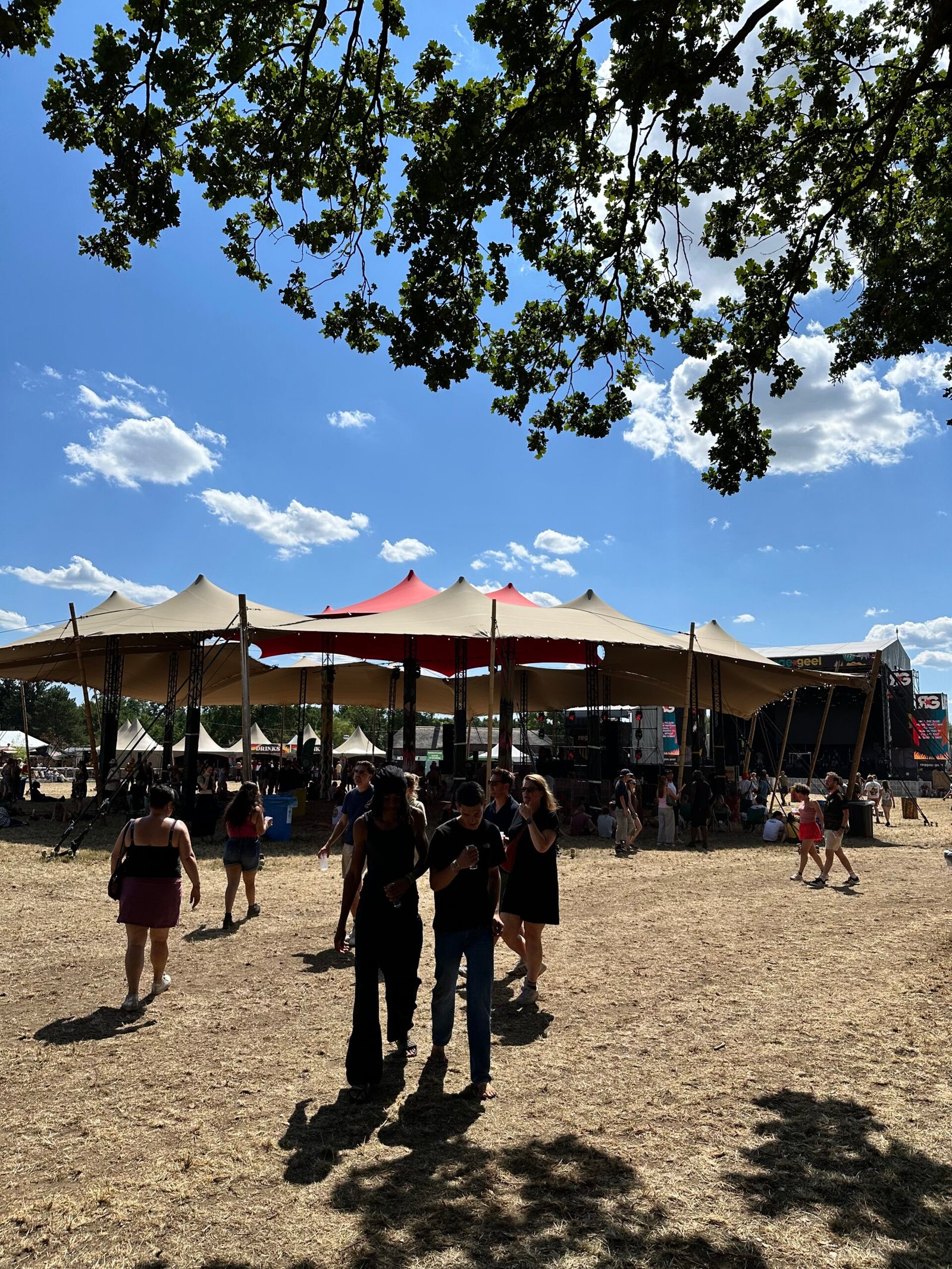
To the left, a path leads through a bazaar into the food area, which could use a wider selection of vegetarian and vegan options—though fries are always a hit, and in Belgium, they seem to be available on every corner. In between and behind this, a vast area opens up; to the right of it lies the magical Dub Forest, along with two smaller stages: Yagga Yagga and Side Dish. For the first time, in front of the main stage—the Golden Stage—is the spacious Bounce Dancehall, covered by a tarp tent. During set changes on the main stage, selected DJs take over there. Seating is scattered throughout the grounds—and everything is surrounded by greenery.
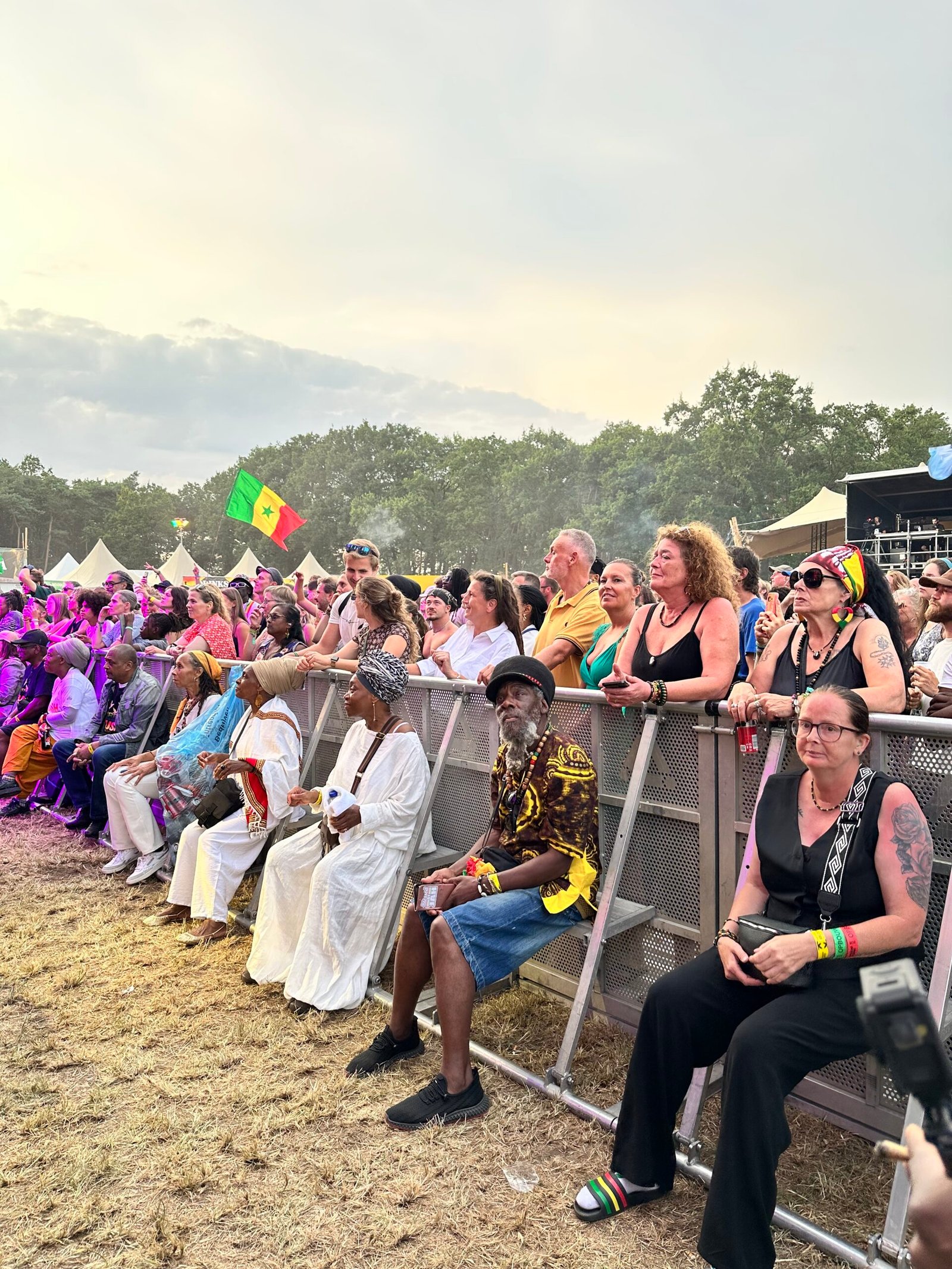
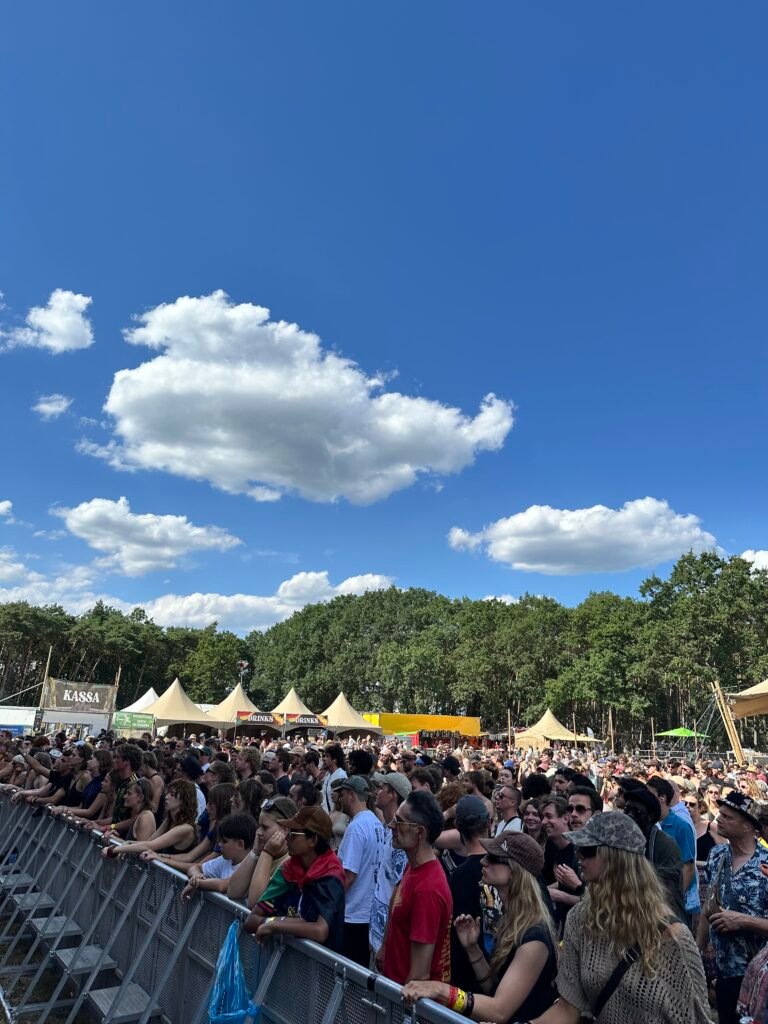
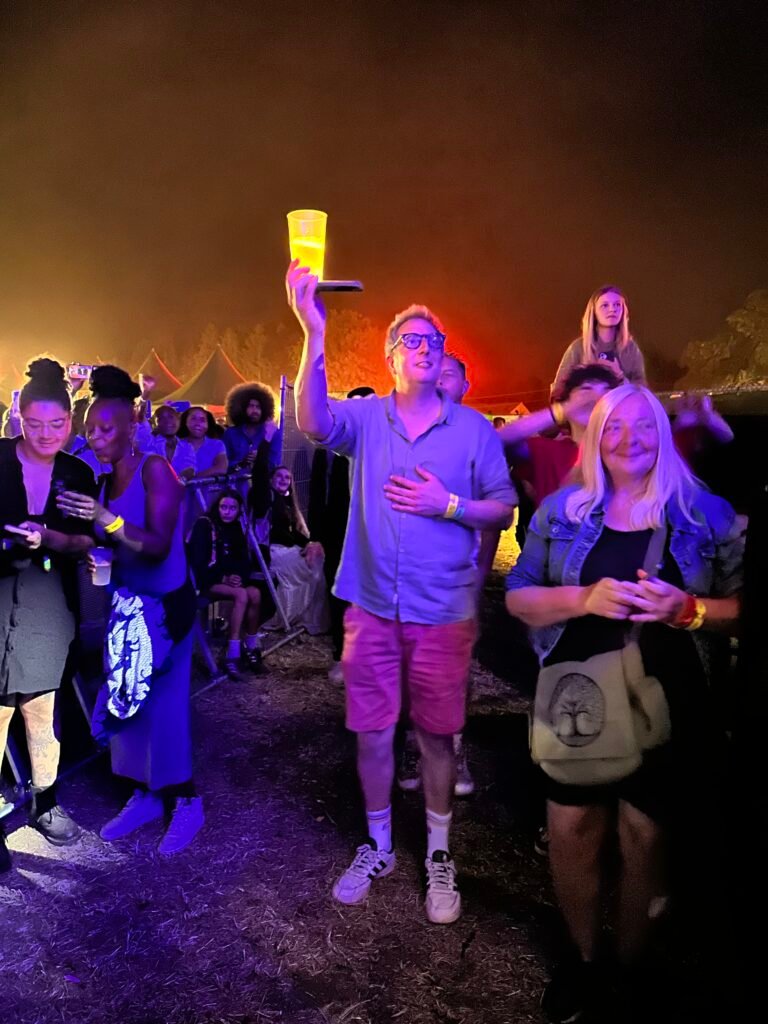
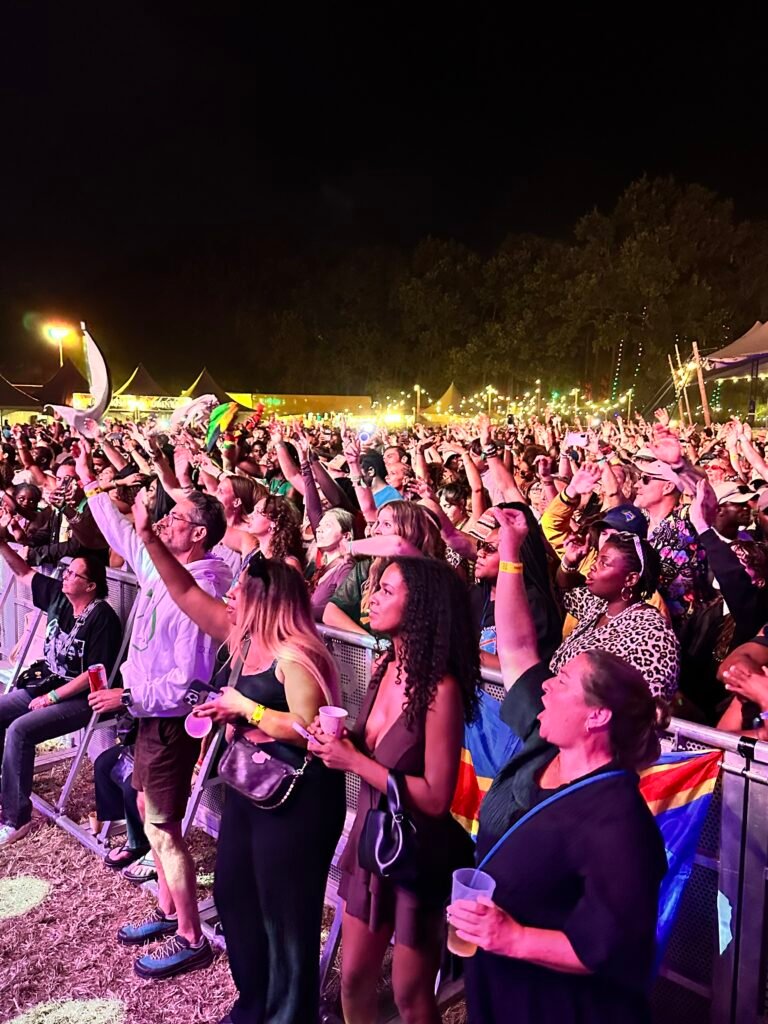
The festival is reminiscent of Rototom—and not just in terms of its history. The various sound oases and the audience-friendly layout also show parallels. With its DIY and—in a positive sense—make-shift style, Reggae Geel has a charm all its own. It comes across as genuine and likable in a world that strives for perfection. It’s also striking that many older people attend the festival. Younger attendees are mainly found in the Dub Forest and the Dancehall.
On Thursday evening, we take it easy, getting into the groove, popping in here and there. We linger a bit longer at Anthony B’s set. I don’t know how many times I’ve seen him live or how many of his records I bought without even listening to them at the start of his career. He’s 50 (!) now and just as energetic as he was on day one. Unbelievable! Afterward, we keep finding ourselves drawn back to Forest, which seems tailor-made for dub.
On Friday, it’s especially the band Abakush that captivates the crowd with their sincere, unpretentious roots reggae. The voices of the three lead singers have lost none of their power and beauty. In this collective of like-minded musicians, founded in Brixton in 1981, women have been the focal point from the very beginning, though men have always been part of the lineup as well.
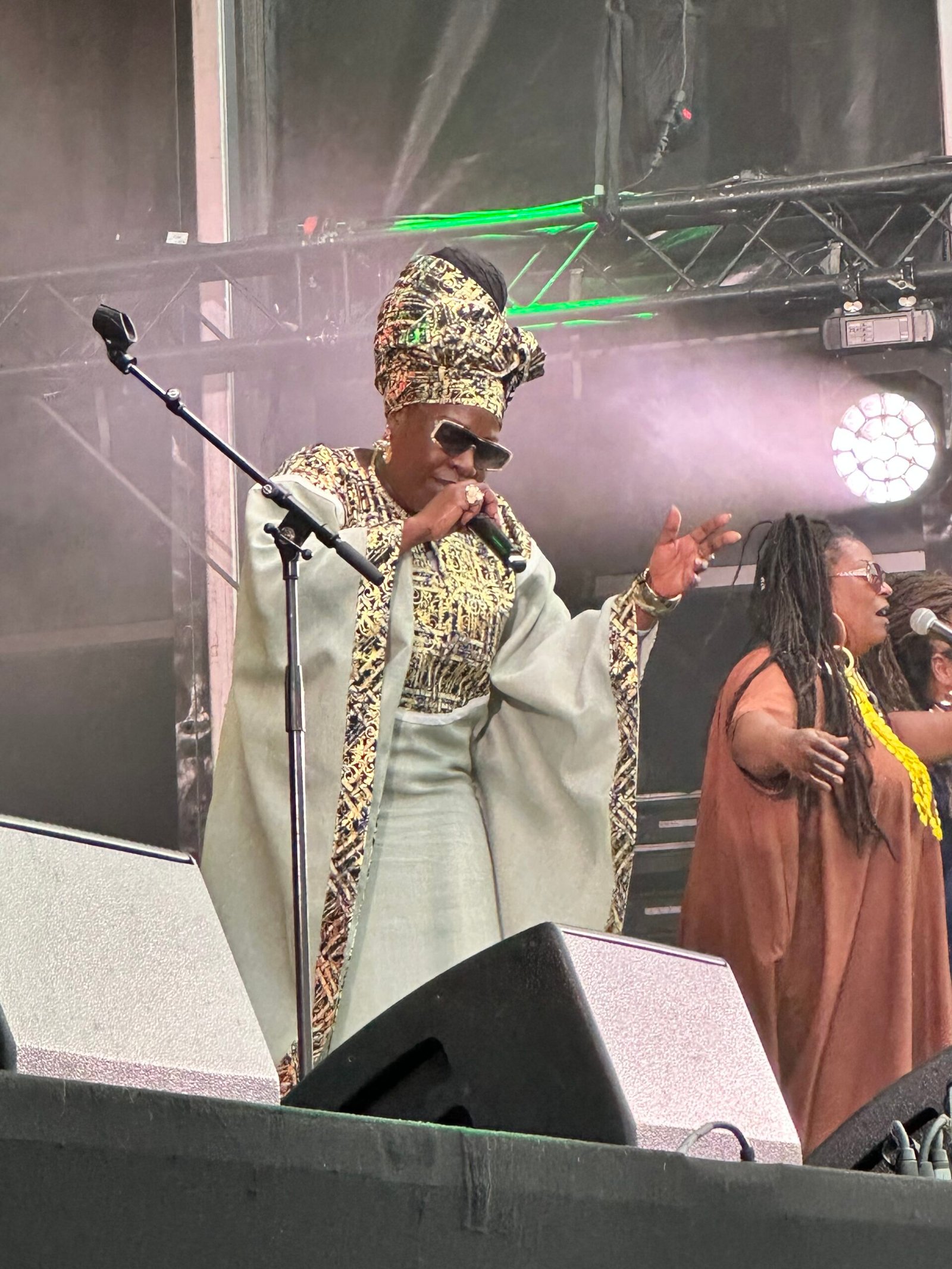
Queen Omega is on the road a lot this summer. In Geel, I’m seeing her for the third time. Her vocal and performative presence is reminiscent of great gospel singers like Mahalia Jackson and Shirley Caesar.
Before and after Beenie Man, Warrior Sound skillfully and reliably gets the crowd fired up at the Bounce Dancehall. The eternal King of the Dancehall, Beenie Man, is also a pro in his field—no matter who else has been awarded the title since then. Especially when it comes to performance, he still easily outshines many an artist. Not to mention his catalog of hits.
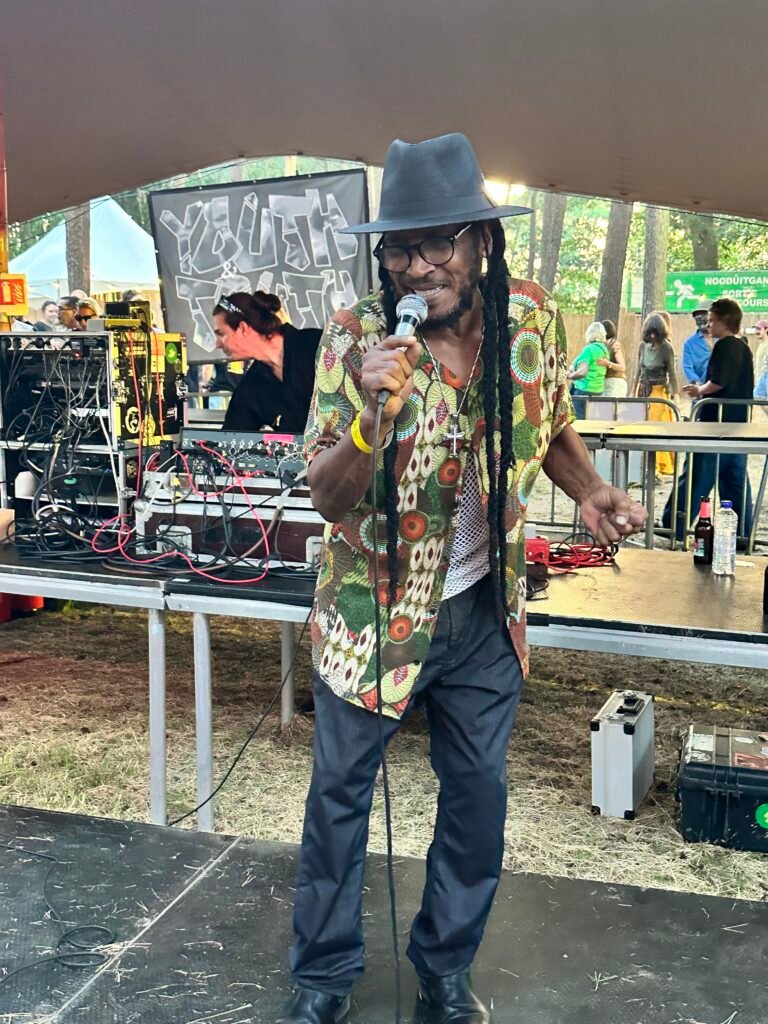
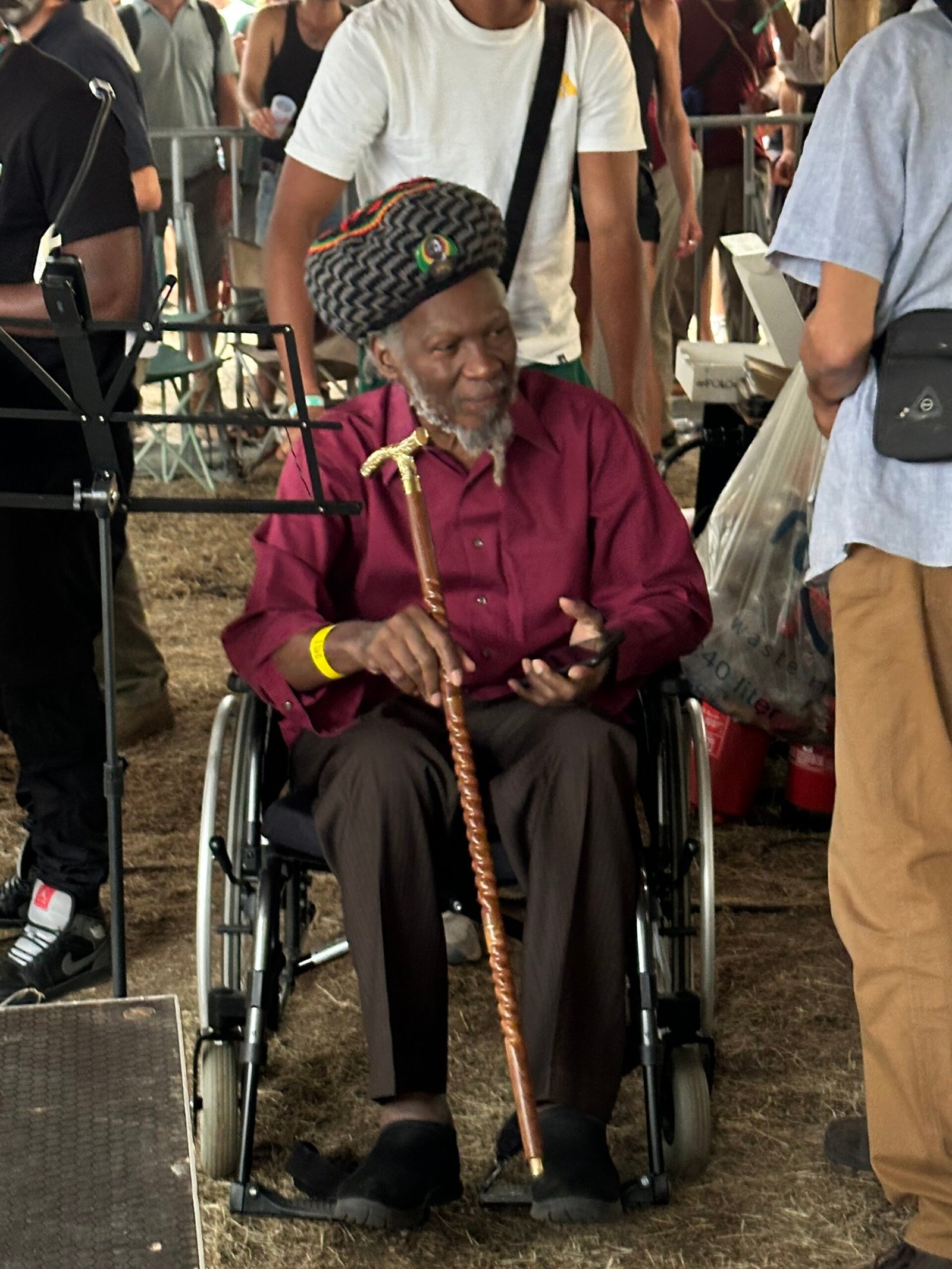
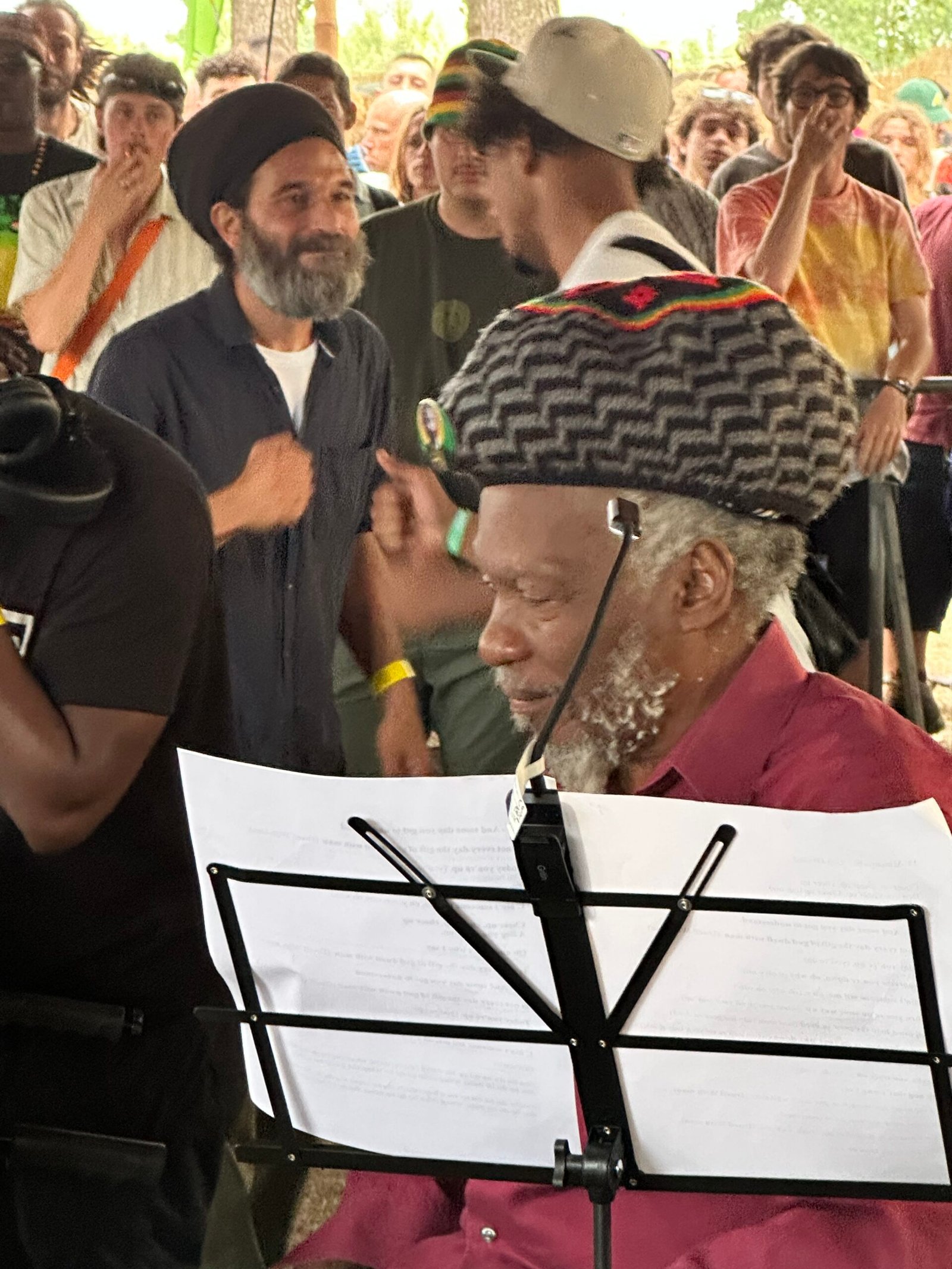
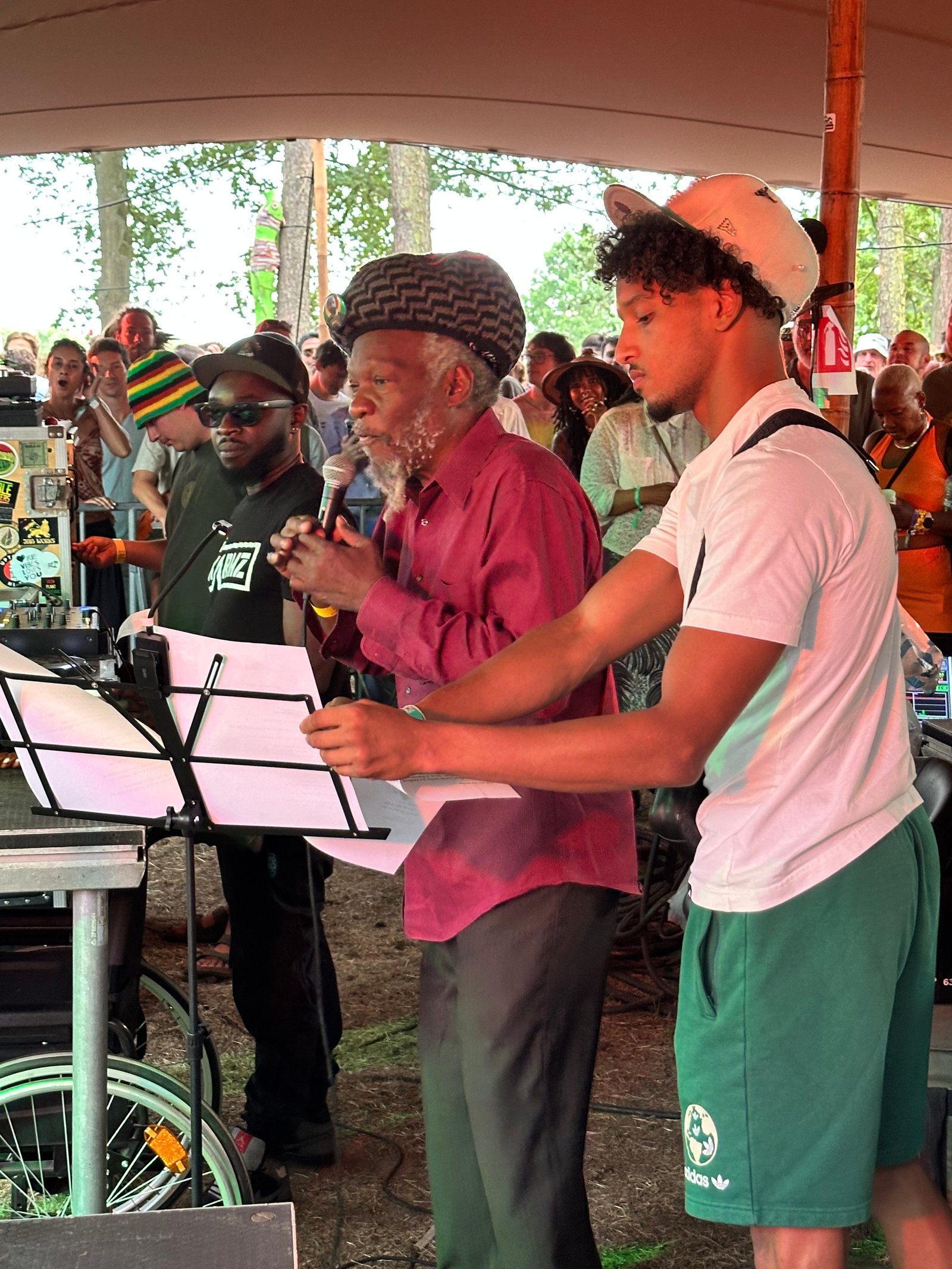
A special highlight of the evening is the performance by Dr. Alimentado in the Dub Forest, who enjoyed cult status especially in the 1970s. This is my first time seeing the singer/DJ/toaster—known as the “Ital Surgeon”—live. His nephew takes him to the DJ decks in a wheelchair. A music stand with lyric sheets is set up next to him. I’m unsure what to expect. But it doesn’t take long before the music literally lifts Dr. Alimentado to his feet. He stands at the decks with an elegant cane, his voice as powerful as ever. He repeatedly interrupts his songs with uplifting messages full of gratitude. This is also evident when he invites his family to the front and expresses his thanks to each and every one of them. Definitely one of the highlights at Reggae Geel.
On Saturday, we make it to the festival grounds just in time for the British reggae singer, songwriter, and producer Joe Yorke, who already enchanted us with his falsetto vocals at last year’s Rototom. He does so again in Geel. The lineup that day is particularly diverse, featuring roots reggae from the Twinkle Brothers, dancehall and Afrobeats from Patoranking, reggae and love songs from Christopher Martin, and dancehall from Ding Dong. The latter delays his performance until the nighttime chill drives us back to the hotel. Despite warm temperatures during the day, it can get quite chilly here at night if you’re not properly equipped.
Earlier, in the Dub Forest, two legends from England—DJ, producer, and founder of Solardub Records David Judah from London and King Earthquake from Birmingham—spread spiritual energy on a higher level with their sets.
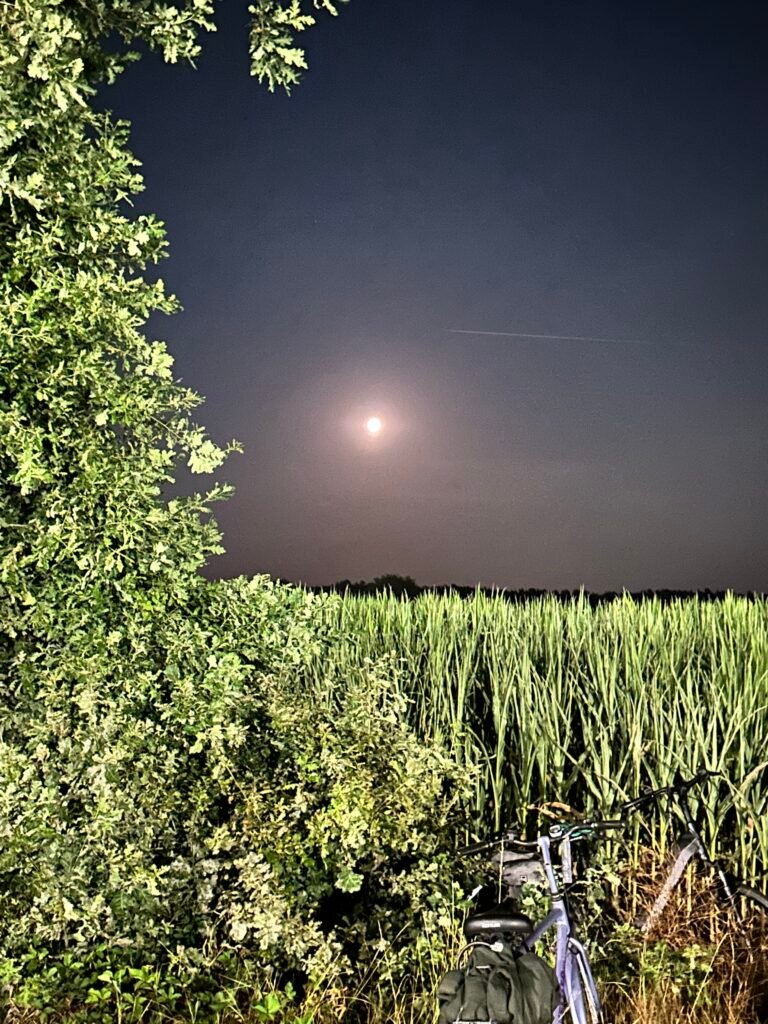
That energy lingers on the walk back under the full moon, past lush cornfields. An idyllic scene after a wonderful festival.